App developers in Aventura
Appluex is a mobile and web app development studio headquartered in Miami, working across Miami-Dade. We build custom iOS, Android and web applications for retail, real estate, wealth management and medical practices, and we put the yearly cost of keeping the thing alive in the estimate rather than in a conversation two years later.
The build is the quote. The year after is the cost
Aventura is a small city with a large commercial centre of gravity. About 40,000 people live here, the median age at the 2020 count was 48.4, and 54.3 percent of residents were born outside the United States. In the middle of it sits a mall of 2.8 million square feet and more than 300 stores, the largest in Florida and the fifth largest in the country, which has shaped the businesses around it: retail and luxury retail, brokerages and developers, wealth and family offices, medical and dental practices. Almost everyone we talk to here signs a lease, carries insurance, and reads an operating statement every month. They already understand the difference between what a thing costs and what a thing costs to have. Software is usually the one purchase nobody presents to them that way.
So here is the list an agency quote normally leaves out. Apple charges 99 dollars a year to keep a developer account current, and if that renewal lapses your app comes off sale until somebody notices. Google charges 25 dollars once, which is the easy one. Signing certificates and provisioning profiles expire on a yearly cycle, and the day they do you cannot ship a fix even if the fix is finished. Then the running parts: the servers and the database, the maps, the text messages, the transactional email, the payment processor, the push delivery, the analytics, the file storage. Each is a separate vendor with its own price list, and vendors raise prices, retire free tiers and discontinue products. There is also the item nobody buys and everybody needs, which is crash and error monitoring, because without it your first report of a broken checkout is a customer telling your front desk.
The part that is genuinely different from every other operating cost is the one drawn above. Two major operating system releases land every year, one from Apple and one from Google, and the requirement to be in the store moves with them. These are not predictions. As of 28 April 2026 Apple will not accept an upload to App Store Connect unless it is built with the iOS 26 SDK or later, and by 31 August 2026 an existing Android app has to target Android 15 or it stops being available to new users on devices running anything newer. An app you leave alone does not sit still while that happens. It stays exactly where it was while the floor comes up under it, and there is no warning letter. What you notice, eighteen months later, is that a small urgent change now requires weeks of catch up before anyone can even press submit, and the emergency invoice is several times what a quiet year of maintenance would have been.
None of this makes an app a bad purchase. It makes it a purchase with a running cost, like a vehicle, and the fix is simply to get the number before you sign rather than after. Ask any firm you are considering for a written first-year and third-year running cost, itemised by vendor, with the parts they control separated from the parts they do not. Ask which recurring services the design actually requires and whether each one is load bearing, because a design decision made in week two can add a subscription you pay for the life of the product. If the answer is vague, that is information. We would rather have that conversation at the estimate, including the version where we tell you the honest annual figure is high enough that you should buy something smaller.
Nobody sends you a renewal notice for an app. The bill turns up as an emergency, about eighteen months late, and costs several times what the quiet version would have.
A web app you stop maintaining keeps working. A mobile app you stop maintaining stands still while the requirement rises past it, then fails review on a routine update.
What Aventura businesses ask us to build
Retail, property, advisory and clinical work, mostly. Products with a real audience on the other side of them, which is also why they cannot be left to rot quietly.
Branded apps for a retail or hospitality business
Your own app under your own name, with the loyalty, ordering or membership logic your business actually runs on. Quoted with its yearly running cost, so you can compare it honestly against renting a platform.
Client portals for brokerages and advisory practices
A place a client checks their documents, statements or listing activity instead of emailing for them, with access control and record keeping designed in rather than added when someone asks about it.
Booking, intake and reminders for practices
Scheduling that fills the gaps in a calendar, forms completed before the appointment instead of on a clipboard in the waiting room, and reminders that reduce the empty chairs that cost the most.
Taking over an app someone else built and left
A written condition report on what you own, the accounts and keys recovered into your name, the accumulated platform debt cleared, and then a maintenance rhythm so it never gets to that state again.
Products we have actually shipped
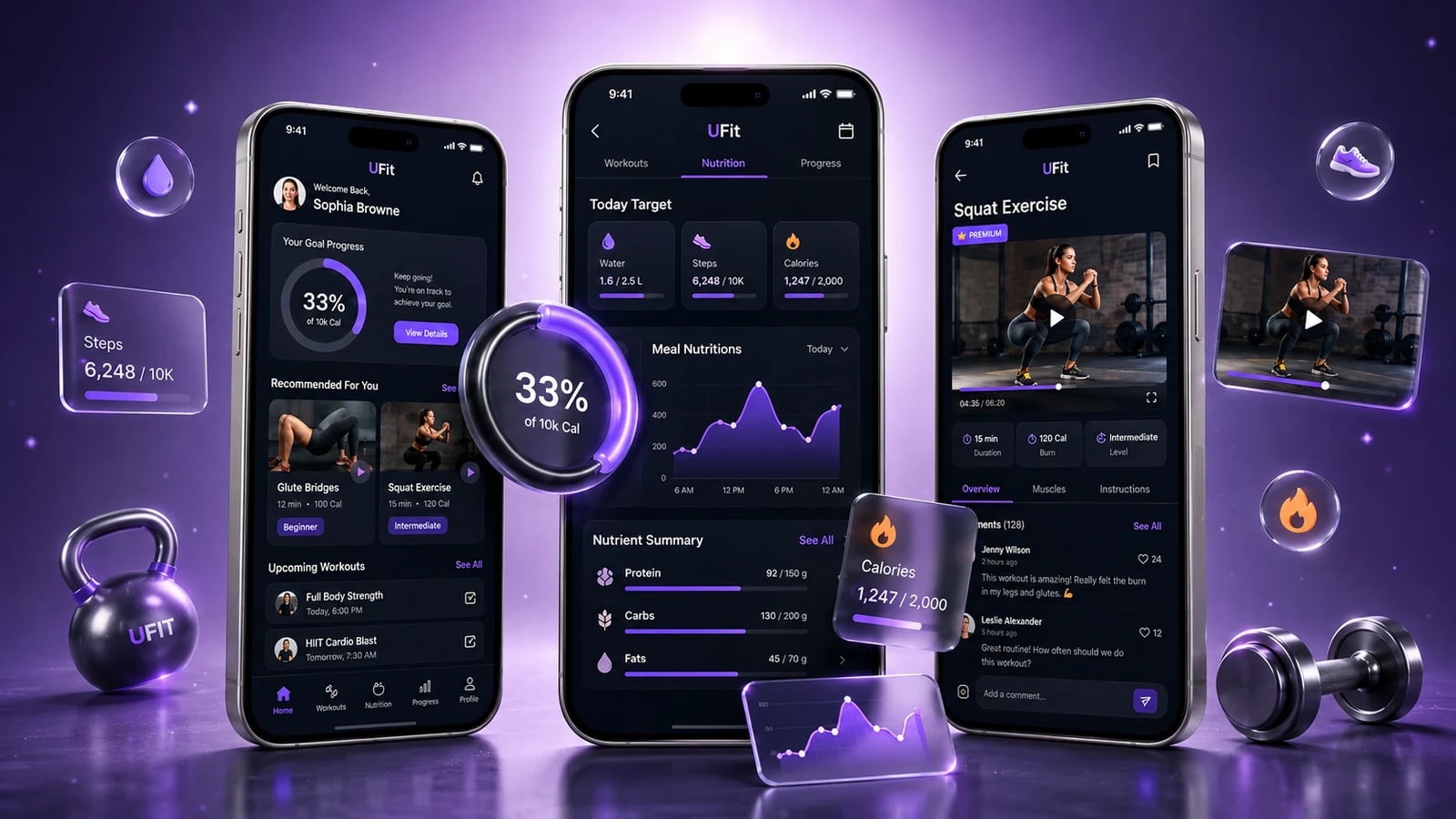
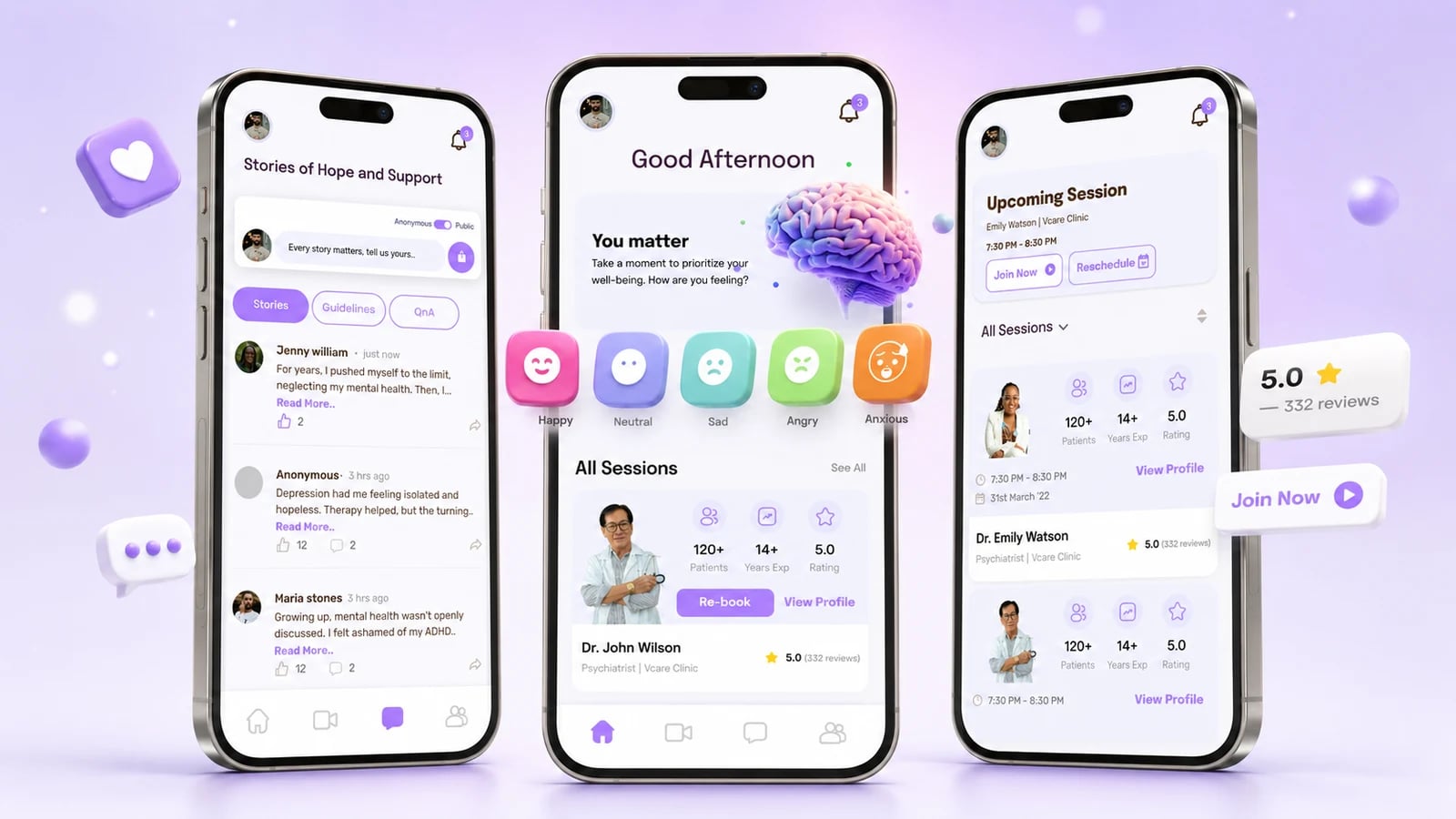
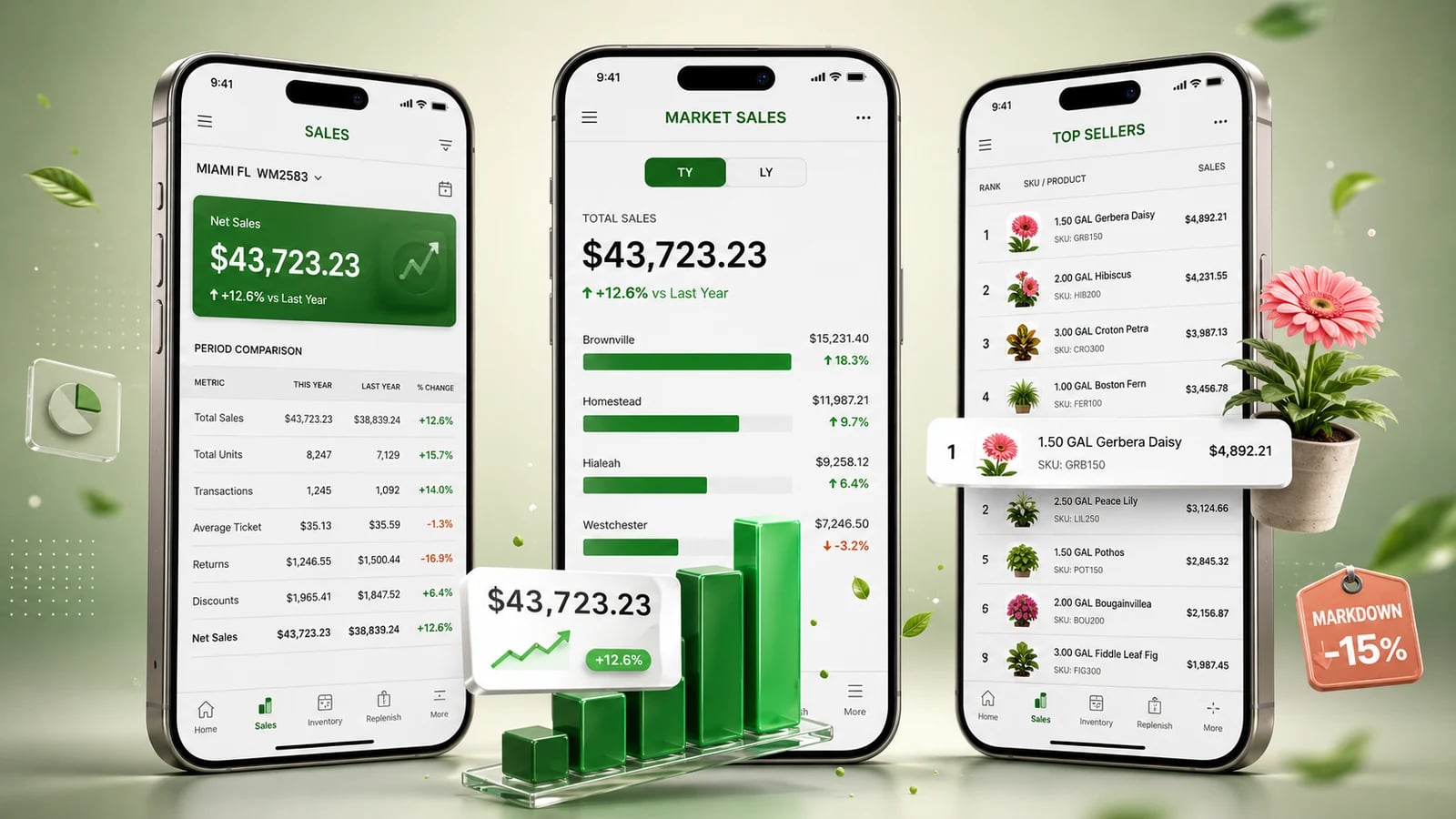
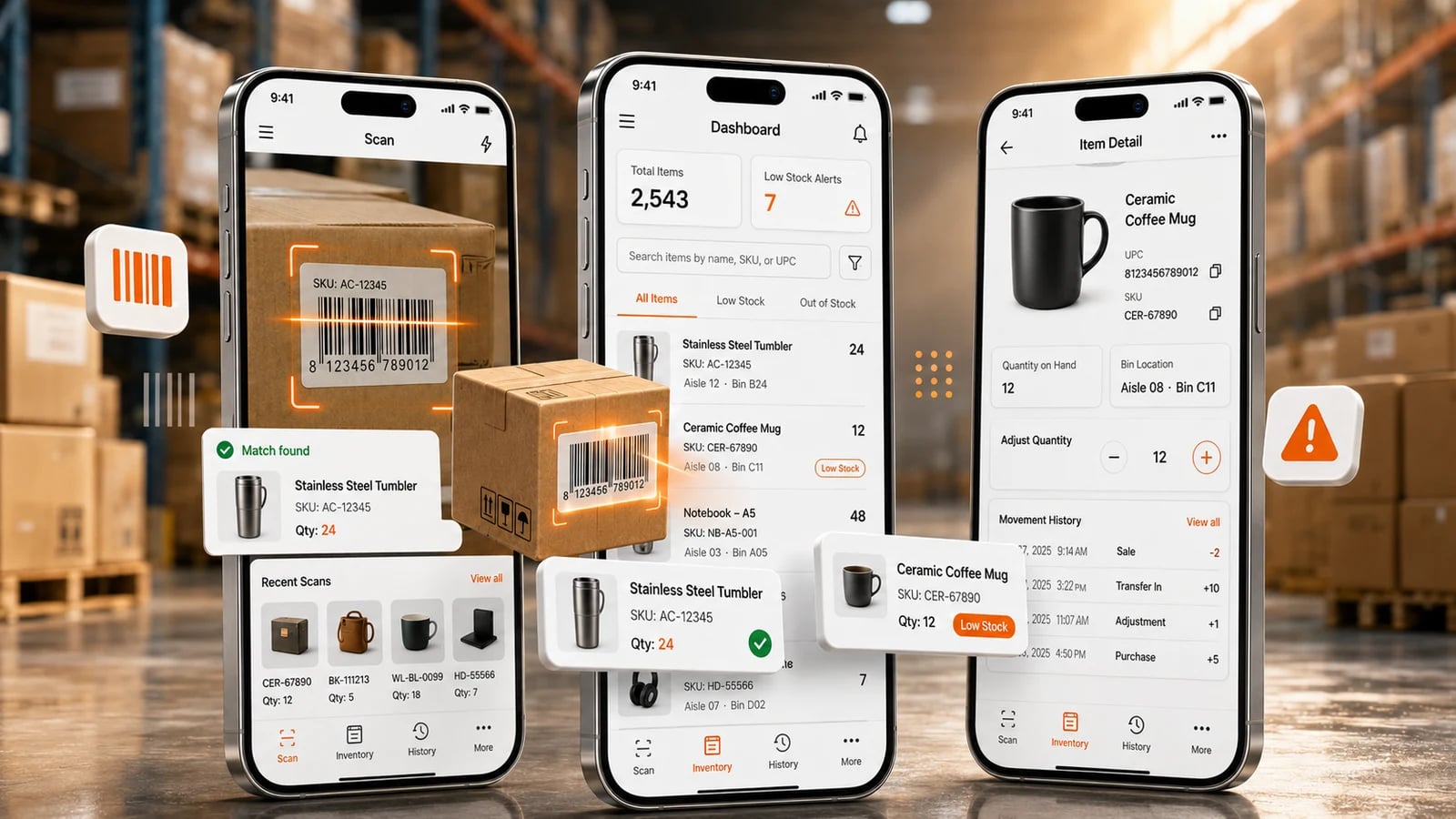
Ratings below are the public store ratings. Where an app has no public rating we have left the space empty rather than fill it with something that sounds like one.
Why Aventura businesses work with us
The running cost is in the estimate
You get the first-year and third-year cost of ownership written down alongside the build price, itemised by vendor, with our fees separated from Apple's, Google's and everyone else's. It is the number that decides whether the project was a good idea, so it belongs at the front.
Every account is opened in your name
Apple, Google, the hosting, the payment processor, the messaging vendor. Billed to you, visible on your own statement, transferable without our involvement. An agency holding your subscriptions is not a service, it is a hostage arrangement, and it is worth asking about before you sign with anyone.
We design out the costs we can
Half of a recurring bill is usually decided in the first fortnight, when someone picks a paid service for a job a cheaper one or none at all would do. We will tell you which subscriptions the design genuinely requires and which one we can remove now while removing it is still free.
Ways to begin
Two of these three are about software you already own, which is roughly the split of the calls we get from this part of the county.
Free consultation
You are weighing it up
A working session, in English or Spanish, on what you are trying to solve, whether software is the right purchase, and what the thing would cost to own annually as well as to build. You leave with a written scope, a written estimate and that running-cost breakdown whether or not you hire us.
No cost and no obligation.
A first version, price fixed at signing
You know what you want built
The smallest genuinely useful version, at a price that is fixed once the scope is signed, delivered in milestones with builds you can install on your own phone. Store submission included, accounts opened in your name, and a stated first-year running cost you can put in a budget.
The usual shape of a first project.
Maintenance, or taking over an app
It exists and nobody is watching it
A condition report first, then the catch-up work, then a fixed monthly arrangement: platform updates, certificate and account renewals, dependency and security patching, crash monitoring with someone actually reading it, and store submissions when the requirements move.
Most of these start with an app that has gone quiet.
Want the general version of how mobile projects are scoped, native against cross-platform and what store review involves? That lives on our mobile app development page. For internal business systems and web platforms rather than apps, see software development in Miami.


App development in Aventura. FAQ
Is Appluex located in Aventura?
No. Appluex is headquartered in Miami, Florida, and works across Miami-Dade including Aventura. We would rather say that in the first answer than let a page title imply an office that does not exist. It is worth asking the same question of every firm that ranks for this search, because a good share of them are national operations publishing an automatically generated page for every city in the country, sometimes with a mailbox address attached. Ask for a street address and see what it resolves to.
What does an app actually cost to run per year, once it is live?
It depends entirely on what the app does, and any firm that answers with a flat number before seeing the design is guessing. What we can tell you is the shape of the bill so you can price your own. There is a fixed floor: 99 dollars a year for an Apple developer account, 25 dollars once for Google, a domain, and certificate renewals that cost nothing but must be done. Then the variable part, which is where the money is: servers and database, plus every third-party service the product uses, such as maps, text messages, transactional email, payment processing, push delivery, file storage, analytics and crash monitoring. Then the engineering: absorbing two major operating system releases a year, keeping dependencies patched, and fixing what those changes break. Ask for that as a written itemised figure for year one and year three before you commit to anything.
What actually breaks when Apple and Google ship new versions?
Two things, and they are different. The first is behavioural: a new OS changes permission rules, tightens what runs in the background, alters how something is presented, and a screen that was fine last month is now wrong on the newest phones. The second is administrative and has hard dates. As of 28 April 2026 Apple will not accept an upload to App Store Connect unless it was built with the iOS 26 SDK or later, and by 31 August 2026 an existing Android app must target Android 15 or it stops being available to new users on devices running anything newer. Neither of those is a bug in your app. They are the cost of the shelf it sits on.
Our app has not been touched in about two years. Is it fine?
It is probably still working for the people who already have it installed, which is exactly why nobody has raised it. The problems are the ones you cannot see from the outside. New customers on recent phones may not be able to find or install it at all. Your next update, however small, will fail before it reaches review because the toolchain requirement has moved. The libraries underneath it have two years of unpatched security fixes. And if a third-party service it depends on has retired the version it uses, a feature may already have stopped working without anyone reporting it. We start these with a condition report you can read without being technical, which tells you whether this is a week of catch-up or a rebuild of one part.
What does a maintenance agreement actually cover?
Be specific about this with anyone, including us, because the word covers wildly different things. Ours covers the platform work: rebuilding and resubmitting for new OS and toolchain requirements, renewing certificates and profiles before they lapse, patching dependencies and security advisories, watching crash and error reports and acting on them rather than filing them, keeping third-party integrations working when a vendor changes an interface, and store submissions including the privacy declarations that have to change when a vendor SDK changes. It does not cover new features, and it should not, because if new work is bundled into a monthly fee then either you are overpaying in quiet months or the maintenance quietly stops happening in busy ones.
Who should own the developer accounts and the third-party subscriptions?
You should, all of them. Apps published under your own Apple and Google accounts with the signing keys handed over, and every recurring service billed to your card rather than ours and marked up. There are two reasons and only one of them is about trust. The first is that you should be able to leave without asking permission. The second is more practical: if the subscriptions are yours, the annual cost of the product is visible on your own statement every month, which is the only way it stays a number you manage rather than a surprise.
Should a retail business build its own app or use an off-the-shelf platform?
Often the platform, and we will say so before quoting the alternative. If what you need is a storefront, a loyalty card and a mailing list, a hosted product does that for a monthly fee, absorbs the operating system churn on your behalf, and is difficult to beat on cost. Building your own earns its keep when the thing that makes your business work is not on the menu: a membership or scheduling model nobody supports, a genuinely different in-store experience, an integration with a system you already run, or the specific case where the platform's own fees have grown past what an owned product costs to run. That last one is arithmetic, and it is worth doing rather than assuming.
Can you work in Spanish, and with clients who are not in the country?
Yes to both, and in Aventura the second matters as much as the first. More than half of residents here were born outside the United States, and a large share of the retail and property business is done with buyers who are somewhere else for part of the year. In practice that means the product has to handle more than one language properly, including the emails and receipts and not only the screens, and it means time zones, international phone numbers and payment methods that are normal elsewhere. This whole site is published in Spanish at the same addresses with /es in front, written rather than machine translated, which is the cheapest way to check that the claim is real.
Can we meet in person?
Yes. Aventura is a short drive from our office and we are happy to meet there or at your business, which is most useful at the beginning and when the software is replacing something physical your staff do today. After that, most of the work runs through short scheduled calls and builds you can install and try yourself, and once a product is live the maintenance rhythm is a written monthly note about what changed and what is coming, which is the point at which most people want less of our time rather than more.
Guides from our team

















Let's build something worth shipping
Tell us about your idea. With a track record of success and a commitment to client satisfaction, we'll help bring your product to life.