App developers in Naples
Appluex is a mobile and web software studio headquartered in Miami and a member of SWFL Inc., the Southwest Florida chamber of commerce. We work with Naples businesses remotely, in short milestones you can open yourself. The firms that call us from Collier County serve a clientele that is here for part of the year, expects software to feel as finished as everything else they use, and arrives all at once.
In Naples the software has to feel finished, and it has to be finished before the season
Naples is the seat of Collier County and the kind of market where the client sets the standard rather than the vendor. A wealth advisory or a law practice, a brokerage or a property management firm, a club, a boutique hotel, a concierge medical practice, a home services company that looks after houses while the owners are elsewhere. Their clients are often here from around November to April and somewhere else the rest of the year, and they compare every piece of software they touch with the best consumer apps on their phone. A client portal that looks like an internal tool from 2014, a booking flow that asks for the same information twice, a statement that arrives as a blurry scan: none of these lose you the client on the spot. They lower the impression, and in a market that runs on referrals and on how a practice is talked about at dinner, the impression is the business.
The second fact is arithmetic. For a few months the client base multiplies. A property manager who quietly looked after homes all summer is fielding arrivals, inspections, contractors and complaints every day. A restaurant group that took reservations by phone in August is turning tables at a rate that phone cannot handle. A practice that saw its regulars is suddenly onboarding the people who only come in season, all of whom expect to be remembered from last year. Software that was fine in July falls over in February, and it falls over in front of exactly the clients you most wanted to impress. Then the season ends and the load drops to a fraction, and a system sized for February is a bill you pay all year for four months of use.
Both of those problems are solvable, and neither is exotic. Premium feel is mostly restraint and detail: fewer screens, the client's name and history in front of the person who answers the phone, a statement that reads properly on a phone, notifications that arrive when they should and never when they should not, and the whole thing behaving the same in English and Spanish. Seasonal capacity is a matter of building on infrastructure that scales up for the season and back down after it, so the February load is handled and the August bill reflects August. The part that decides whether either of those actually happens is the calendar. A system for the season that is not in use by October will be tested on your clients in January, and a build that goes quiet for months and unveils itself just before the season is the most common way that goes wrong.
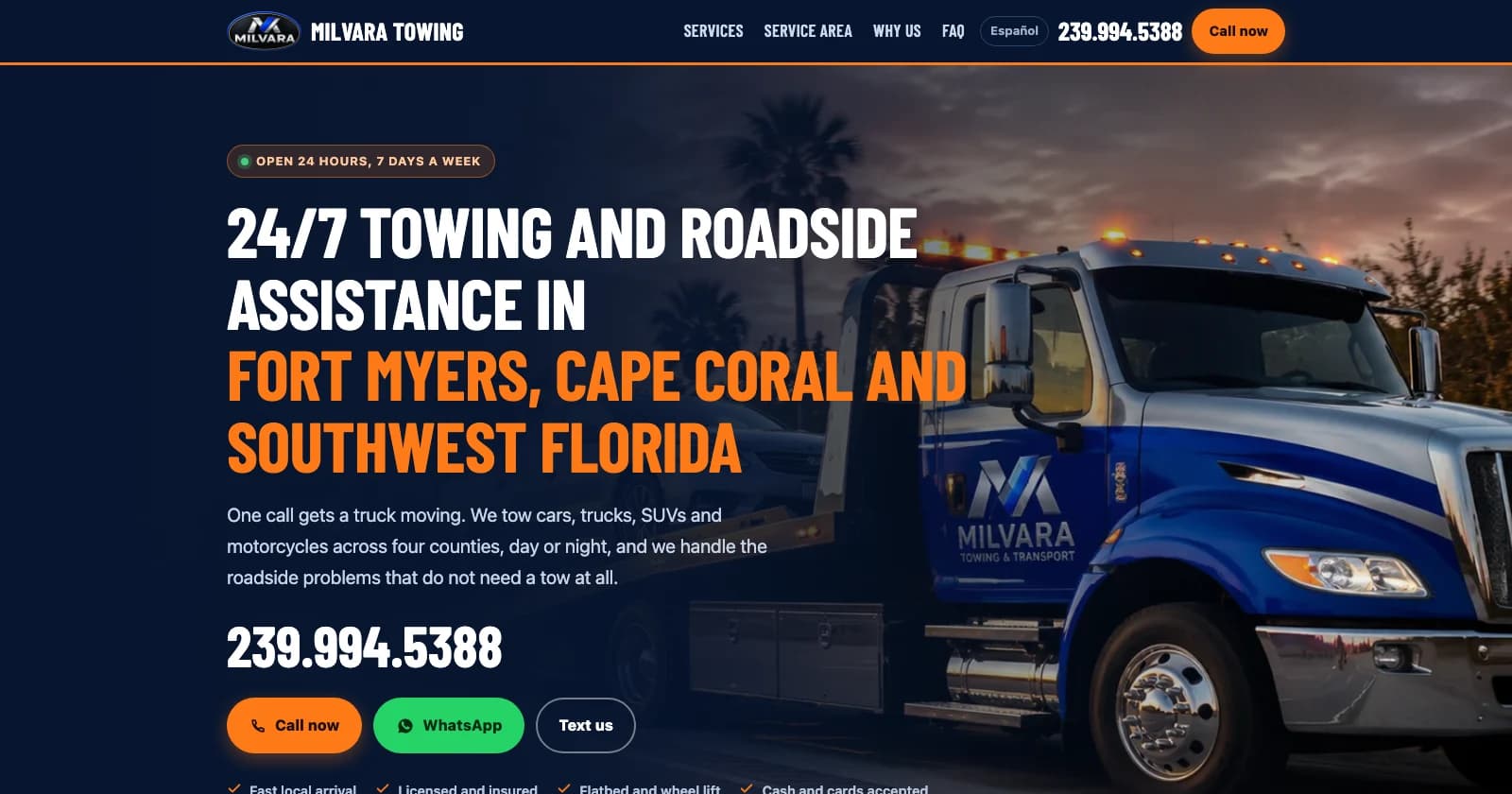
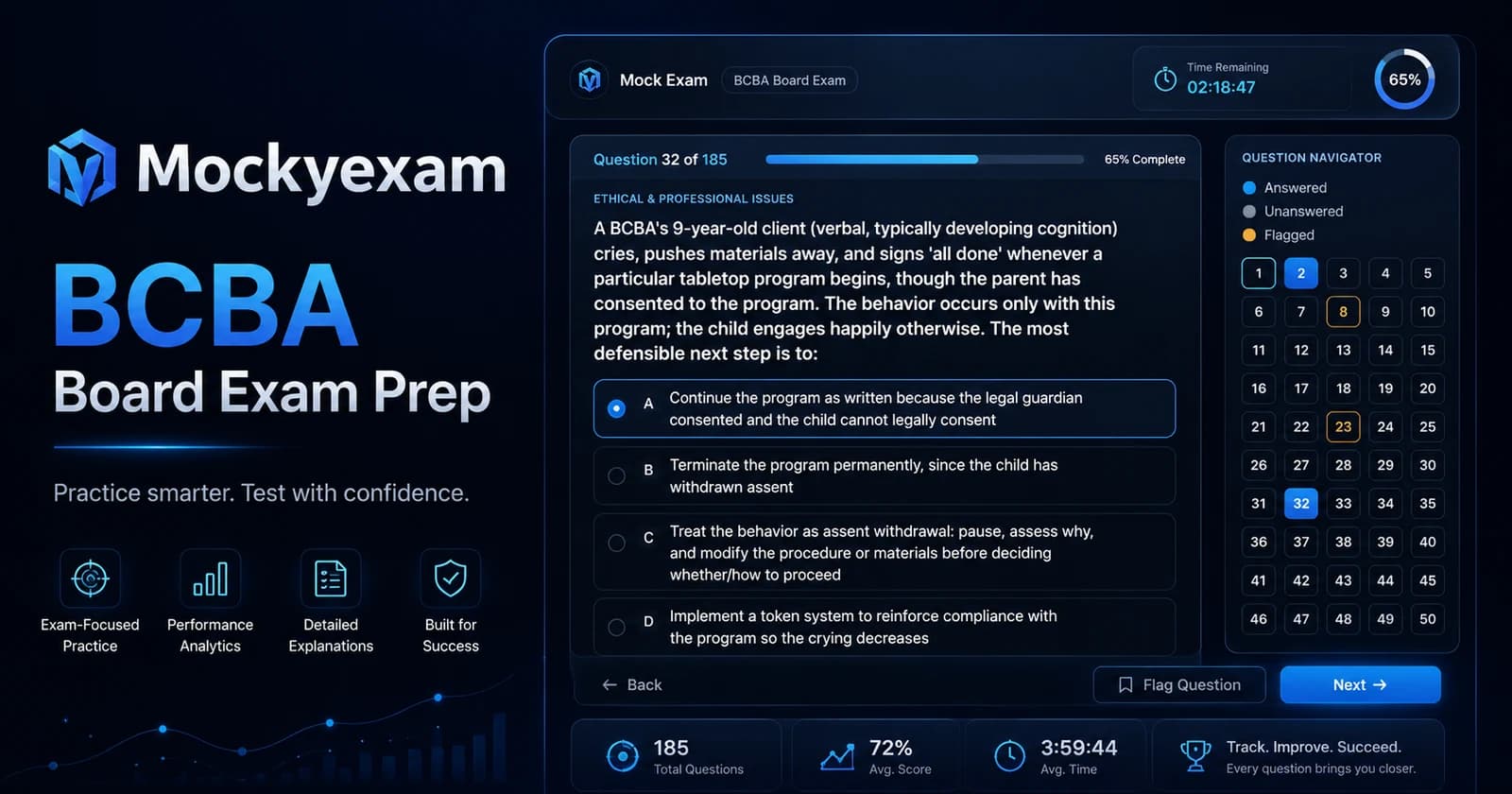
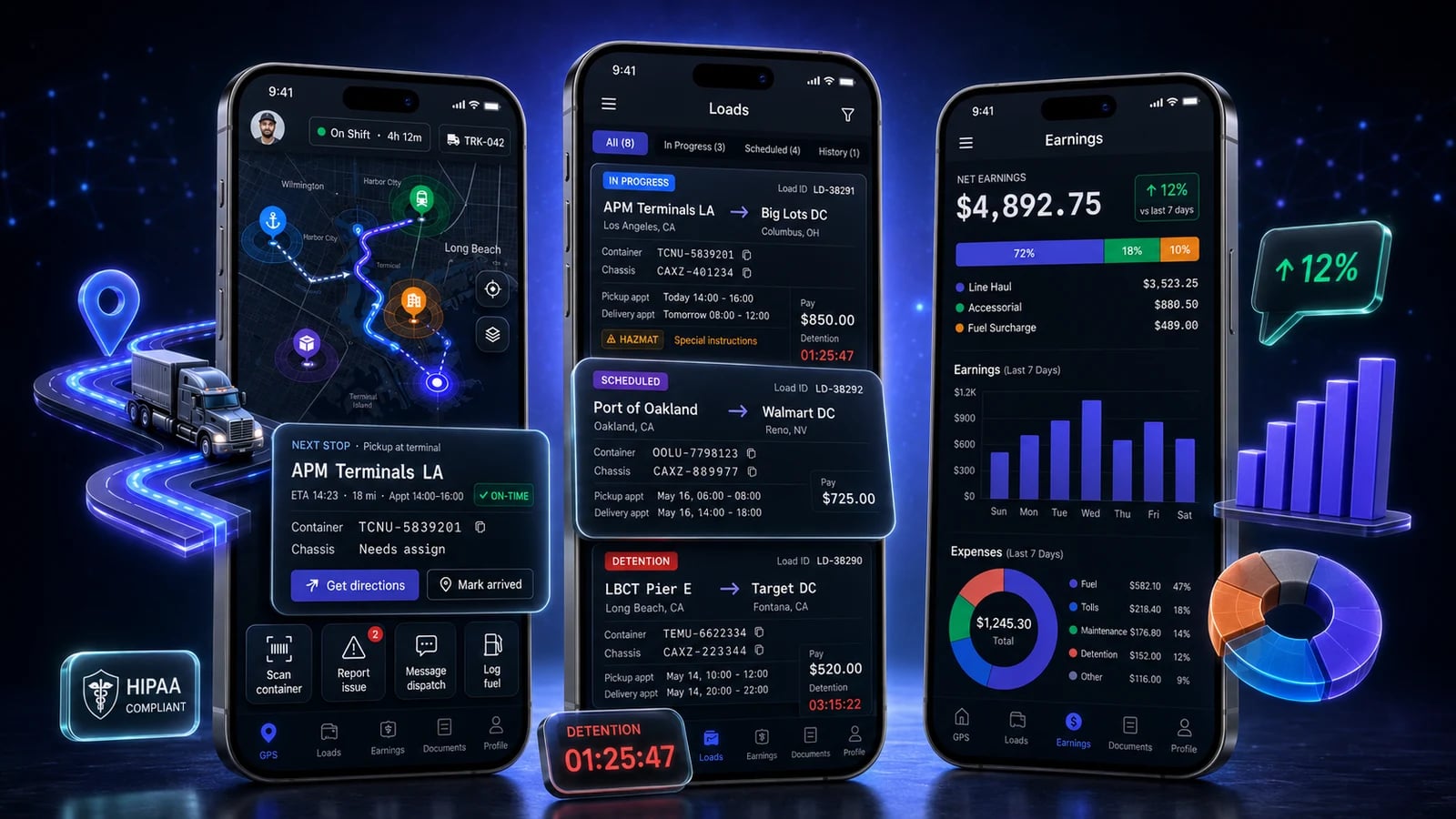
That is why we work in short milestones with something you can open at the end of each one, and why the first milestone is always the piece the season will hit hardest. The work we would point at here is Milvara Towing, a real client in this region whose coverage includes Collier County: a bilingual, around-the-clock service business whose customers are as seasonal as anyone's. And on the practice side, SuperfastCPA, a study product for professionals that had to earn its rating from users who had every alternative, and Salon Symphony, employee software for salons and spas that another team had left on a framework version too old to build on, which is the state a lot of hospitality software here is quietly in. If you want to know whether a firm can hold a standard for a demanding client and still ship before a deadline, those are more useful to read than a page with your city typed into it.
A system for the season that is not in use by October will be tested on your clients in January. The build that goes quiet and unveils itself just before the season is how that happens.
Remote work fails when the client cannot see the work, not because of the miles. Shorten the gap between checkpoints and distance stops being the variable that matters.
What Naples businesses ask us to build
Mostly the piece that faces the client, then the piece that has to survive February. Rarely an app for its own sake, and we will say which is which.
Client portals that match the standard of the practice
Statements, documents, appointments, property reports and messages in one place that looks like it belongs to your firm and reads properly on a phone. In English and Spanish, with the client's history in front of whoever picks up.
Booking, reservations and concierge requests
For clubs, restaurants, hospitality and home services: the client asks once, at any hour, and is not asked again. Reminders and confirmations go out on their own so the desk is not the bottleneck in season.
Property and portfolio management for absent owners
Inspections, contractor visits, photos and approvals, visible to an owner who is somewhere else and wants to know the house is fine without having to ask. Built so the person doing the inspection can capture it standing in the house.
Capacity that follows the season
Infrastructure that scales up for the peak months and back down for the summer, so the February load is handled and the August bill reflects August. Sized on your real numbers from last season, not on a guess.
Work in this region, and work held to a demanding standard
The first is a real client in Southwest Florida. The others are here because each one had to satisfy a user who had every alternative, or had to be rescued from the state a lot of hospitality software is in. Open them and read what was built.
Why Naples businesses work with us
The first milestone is the one the season hits hardest
We start with the piece that will be under the most load in February and put it in use before the season, not the piece that is easiest to build. You see it on your own phone at the end of each milestone, so what arrives in January is something you have already used.
Polish is a specification, not a phase
The screens your clients see are designed and reviewed with you before they are built, in both languages, at the standard your practice already holds everything else to. Nothing client-facing ships as a first draft that gets tidied up later.
In the same chamber, and honest about the distance
Appluex is a member of SWFL Inc. and headquartered in Miami, about two hours across the state. We do not claim a Naples office, and it is worth asking every firm on this search page the same question. The process is built so you never need us to be closer.
Ways to begin
Count backwards from the season. Whatever has to be in use by then decides what gets built first, and that is the conversation we start with.
Free consultation
The season exposed something last year
A remote working session, in English or Spanish, on what broke or embarrassed you last season and what your clients touch that does not feel finished. You leave with a written scope in order of what the season will hit first, and a fixed estimate whether or not you hire us.
No cost and no obligation.
The client-facing piece, fixed price
Your clients see something you are not proud of
A portal, a booking flow or a statement experience designed with you, built in both languages and delivered at a fixed price, with a target of being in your clients' hands before the season rather than during it.
The usual first project here.
A platform for the practice, in stages
Several systems and none of them talk
A system your firm works in all year, delivered a milestone at a time so each piece is in use and earning before the next begins, sized for the peak and priced for the off-season. You can stop after any stage with something working.
Most of these relationships run for years.
Running a trade or a dispatch business across Lee County as well? Our app developers in Fort Myers page is written for businesses that run on the phone. For how remote delivery works across the state, see app development in Florida.


App development in Naples. FAQ
Is Appluex located in Naples?
No. Appluex is headquartered in Miami, Florida, roughly two hours east across the state, and we are a member of SWFL Inc., the Southwest Florida chamber of commerce, which is listed on their business directory. We say it plainly because a page with your city's name on it is not an office in your city, and most of the results on this search are national firms with a page per city and, sometimes, a rented local address. We work with Naples businesses remotely, in short milestones you can open on your own phone, and our case study for Milvara Towing shows work already running in this region.
Our clients expect everything to feel premium. How do you make sure the software does?
By treating it as part of the specification rather than a finishing phase. The screens your clients see are designed with you and reviewed before they are built, in both languages, against the standard of the consumer apps your clients already use. Fewer screens, the client's name and history in front of whoever answers, statements that read properly on a phone, notifications that arrive only when they should. Each milestone is something you open yourself, so if a screen does not feel right you see it while it costs hours to change rather than after your clients have.
Our client base multiplies in season. Will the software keep up, and will we pay for that capacity all year?
It will keep up if it is built for it, and no, you should not pay for February all year. We build on infrastructure that scales up for the season and back down after it, sized on your real numbers from last season rather than on a guess. The part that matters more than the servers is the calendar: whatever the season will hit hardest has to be in use before it starts, so that is always the first milestone, and we plan the engagement backwards from your season rather than forwards from a kickoff.
Do you work in Spanish?
Yes. Southwest Florida is a bilingual market, and for a practice or a hospitality business that shows up in two places: clients who prefer Spanish, and staff who work in it. So client-facing screens, statements, reminders and notifications ship in both languages from the data model up, not as a translation added at the end, and staff tools do the same. The scoping call, the written scope and the estimate can be in Spanish. Put /es in front of this page's address to see the standard we hold ourselves to.
How do we work with a company two hours away on something our clients will see?
In short milestones that each end with something you can open yourself, either on a test environment or installed on your own phone, plus a scheduled call every cycle and a shared channel with same-day answers between them. Remote work goes wrong when the client cannot see the work until the end, not because of the distance. For client-facing software that matters twice, because you are the person who knows what your clients will and will not accept, and you need to be looking at it every couple of weeks rather than once at the reveal.
How long does it take, and can it be ready before the season?
Most MVPs across our work ship in roughly 8 to 16 weeks, and a single client-facing piece is usually at the shorter end of that. Whether it is ready before your season depends on when we start, so if the season is the deadline, the scoping call should happen months before it and the first milestone should be the piece under the most pressure. If you come to us in October for January, we will tell you honestly what can be in use by then and what should wait for the following year rather than launch half-finished on your best clients.
We already use software built for our profession. Should we replace it?
Usually not, and we will say so in writing if that is the honest answer. Practice management, brokerage, club and property management products exist for a reason and cover the standard parts of your work well. What they often do badly is the part your client sees, and the part that has to hold up in season. So the common good outcome here is keeping what you have and building the client-facing layer or the one workflow it refuses to do beside it, connected to it, at a fraction of what a replacement would cost.
Who owns the software, the data and the accounts?
You do. The source code is yours, the domain, hosting and any store accounts are in your name from the start with the credentials handed over, and your client records and history can be exported in a usable form without asking us. A practice outlives its vendors, and your ability to change one should never depend on that vendor's cooperation.
Someone built us something and it fell over last season. Can you take it over?
Yes. We start with a written read on what you own: whether it can still be built and updated at all, where it broke under load, what your clients actually experienced, and what it would cost to fix against what it would cost to replace. Then the corrections, priced fixed, with the season as the deadline. Salon Symphony is the case study for exactly that shape of work: software another team had left on a framework version too old to compile, stabilised first and modernised after.
Other ways we can help
Guides from our team















Let's build something worth shipping
Tell us about your idea. With a track record of success and a commitment to client satisfaction, we'll help bring your product to life.