App developers in Miami Beach
Headquartered in Miami and working throughout Miami-Dade, Appluex builds mobile and web software. On the Beach, most of the people your software has to serve are strangers who arrived on Thursday and leave on Sunday. That one fact decides almost every technical question that follows.
Your customer is here for four days and is not going to install anything
About 83,000 people live in Miami Beach, and just over half of them were born outside the United States. But residents are not the market most businesses here are actually selling to. The Greater Miami Convention and Visitors Bureau counted more than 28 million visitors across Miami-Dade in 2024, spending $22 billion, with more than 209,000 jobs in the county supported by tourism. If you run a restaurant on Espanola Way, a boutique on Lincoln Road, a dive shop, a spa, a cabana operation or a short-term rental portfolio, the person on the other side of your software is very often somebody who will interact with your business exactly once, sometime in the next three days, on a phone that is already low on battery.
That changes what software is worth building. An install is a price you charge the customer before you have given them anything. Watch what you are asking for: leave the sidewalk or the lobby, open a store, wait for a download on hotel wifi, create an account, verify an email, decide about notifications, and then, finally, see the menu or pick a time slot. Every one of those steps loses people, and the ones it loses are disproportionately the ones who were only mildly interested to begin with. We are not going to quote you an industry abandonment percentage, because the ones in circulation are vendor marketing and we could not trace them to anything worth citing. What we will tell you is that this is measurable on your own traffic, cheaply, before you spend anything on building.
The honest test is arithmetic rather than opinion. Count how many times one individual person will open the thing in a year. If the answer is once or twice, the install will never pay for itself and a fast web experience wins on every dimension: no store review, no download, no account required to see the thing they came for, and one link you can put on a table tent, a sign, a receipt or a confirmation email. If the answer is dozens, a native app starts to earn the friction. On the Beach that usually means one of three things: a tool your own staff carries all shift, a membership or loyalty relationship with people who actually live here, or a product that needs the phone itself for the camera, for location, for a pass in the wallet, or for working when the connection dies in a stairwell or on the water.
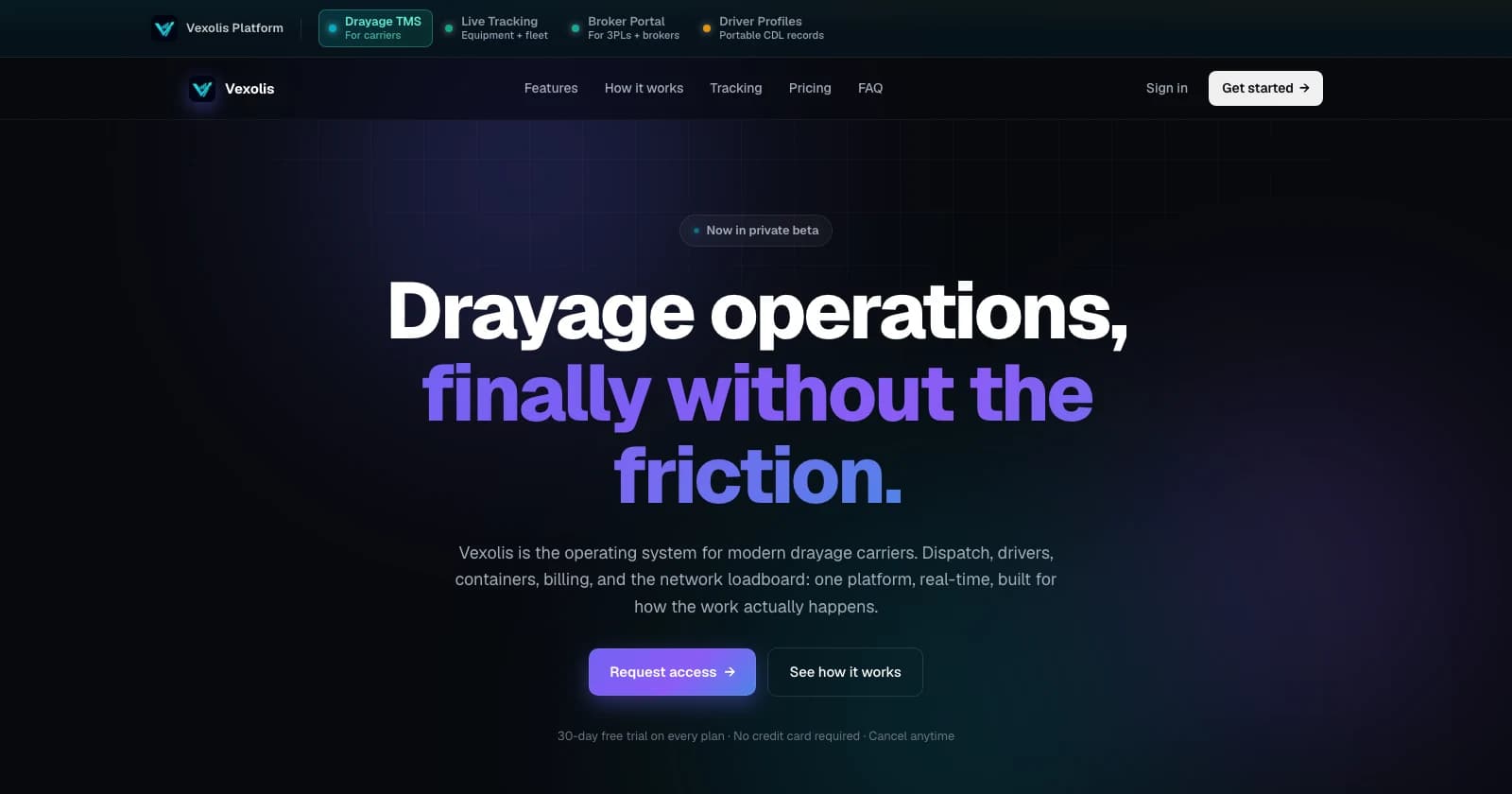
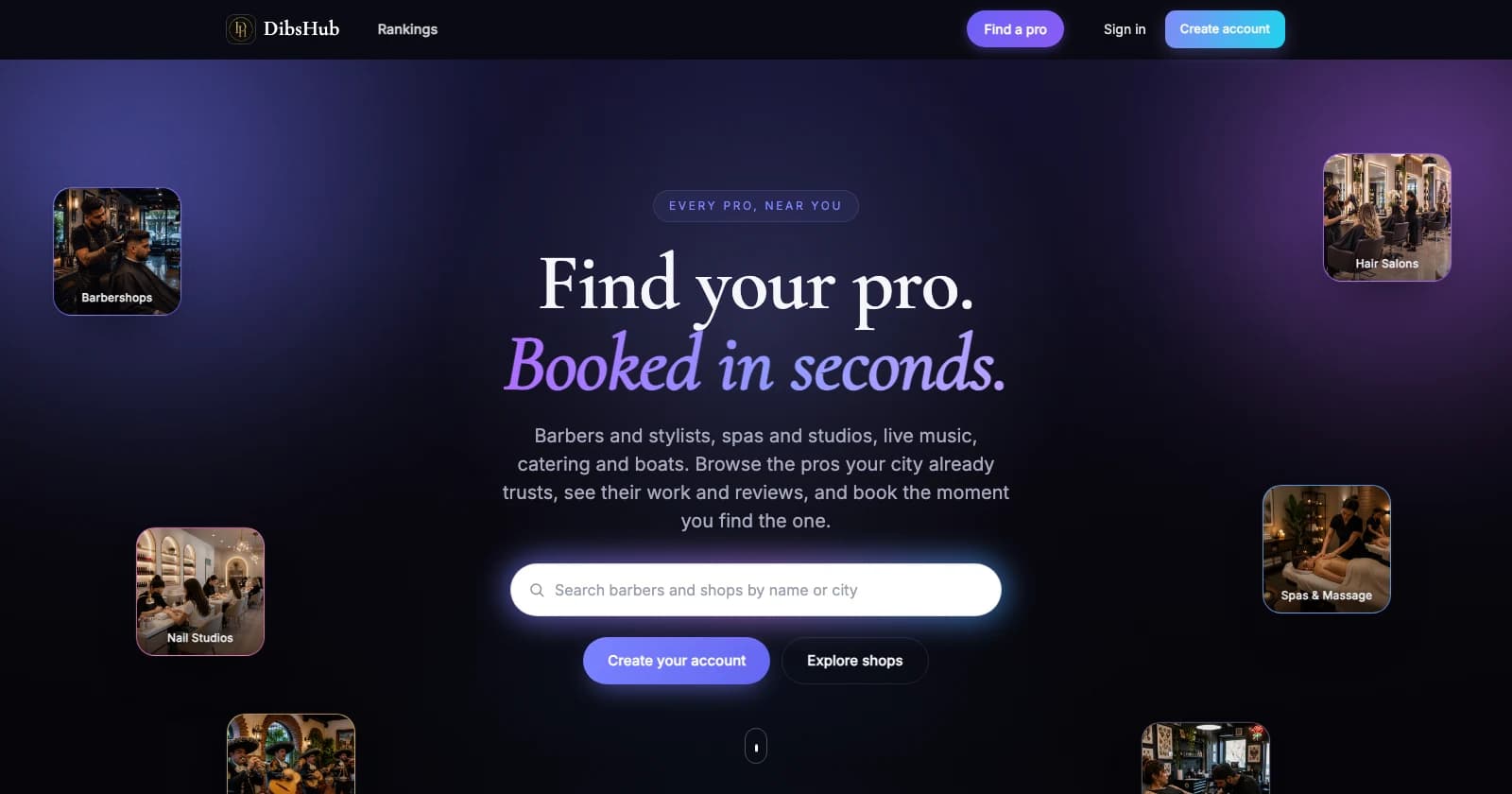
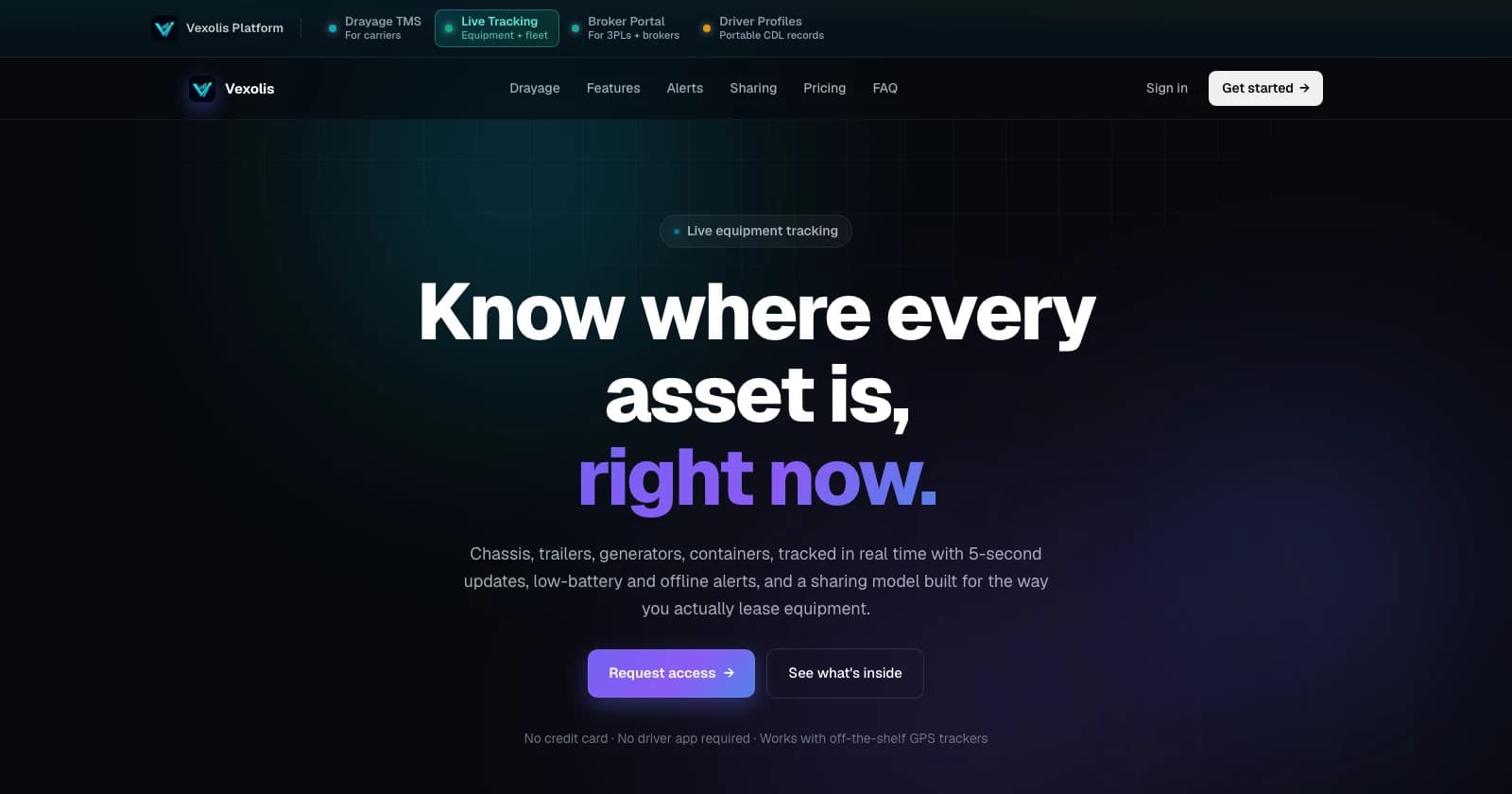
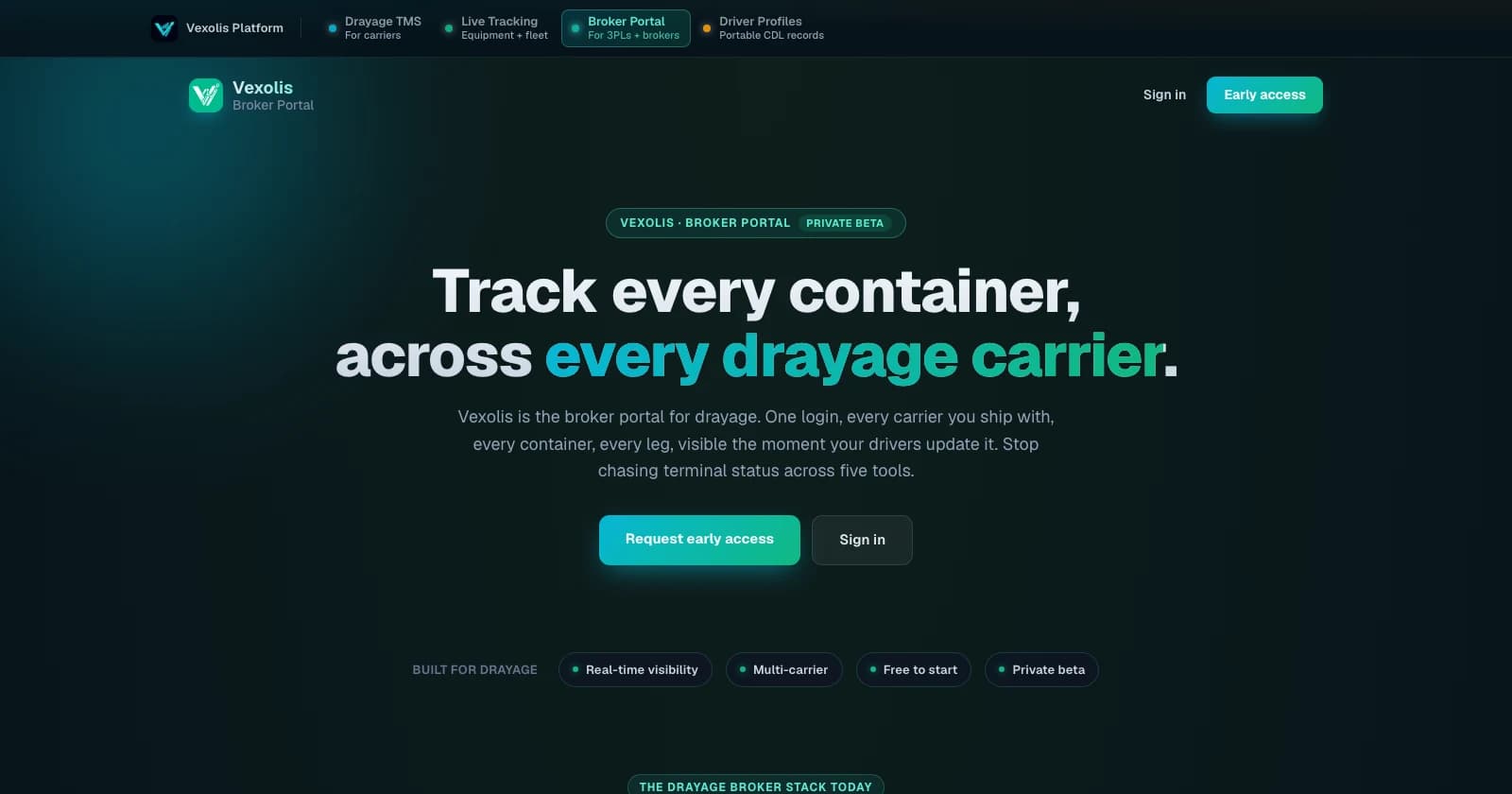
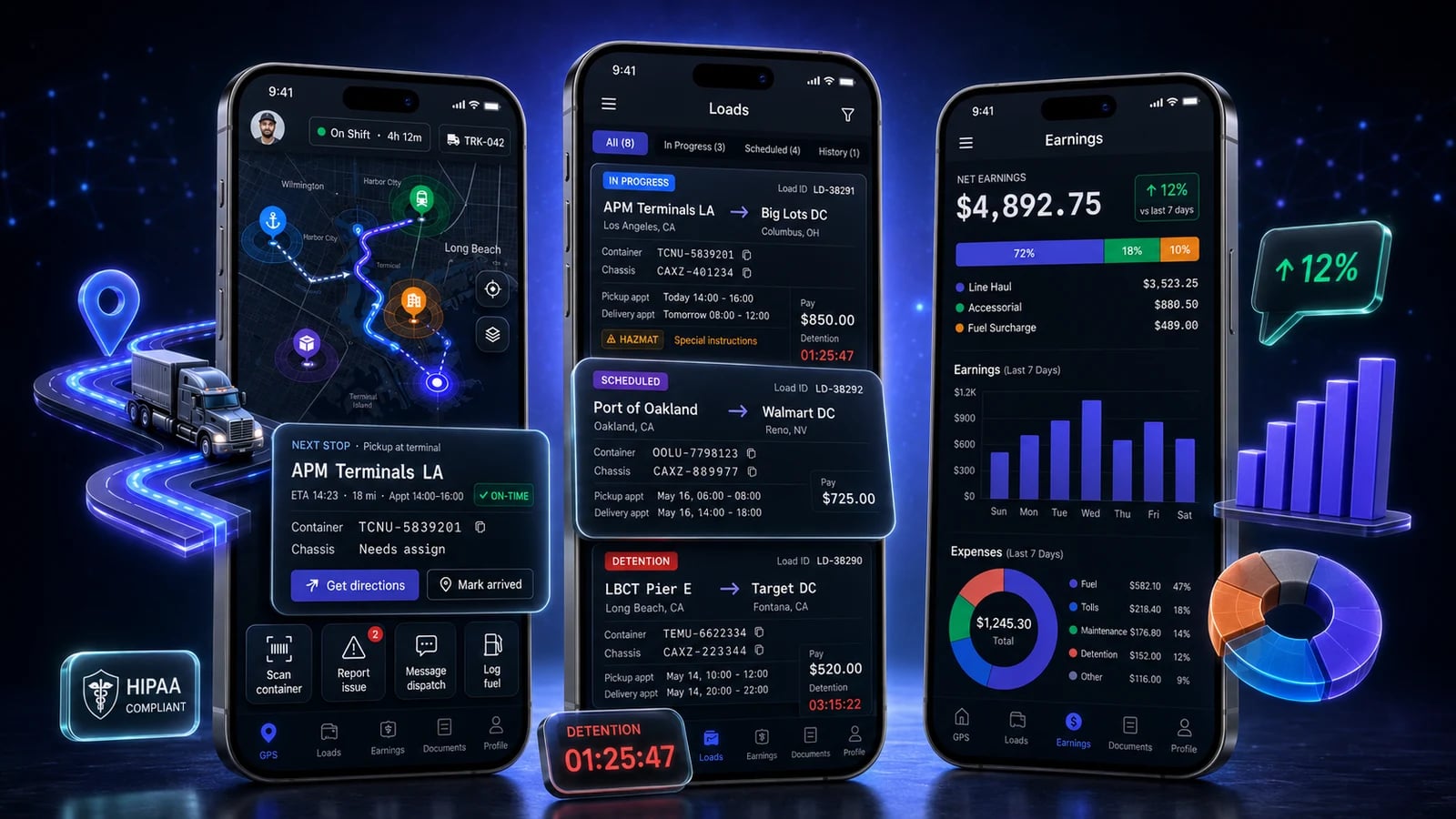
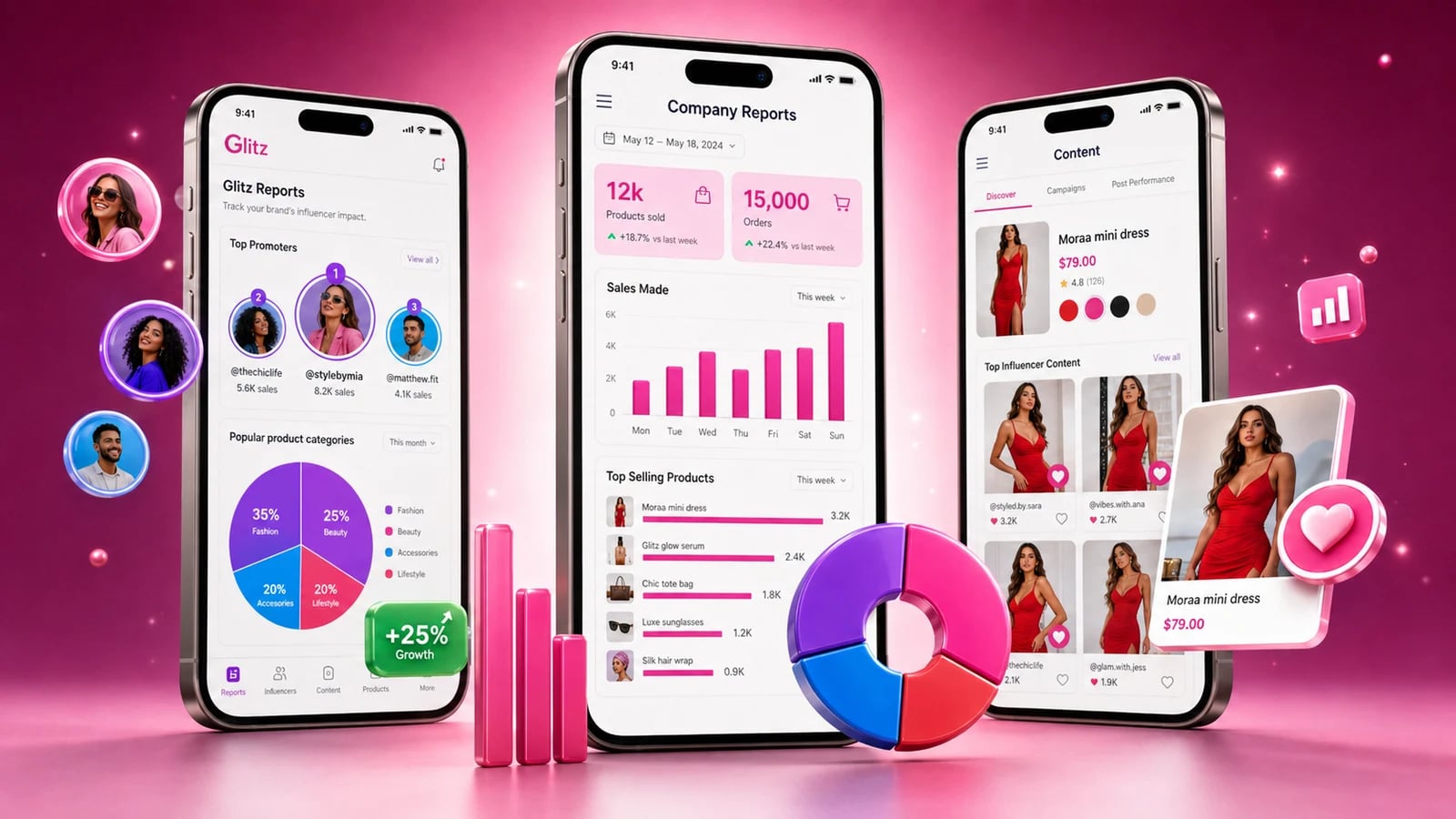
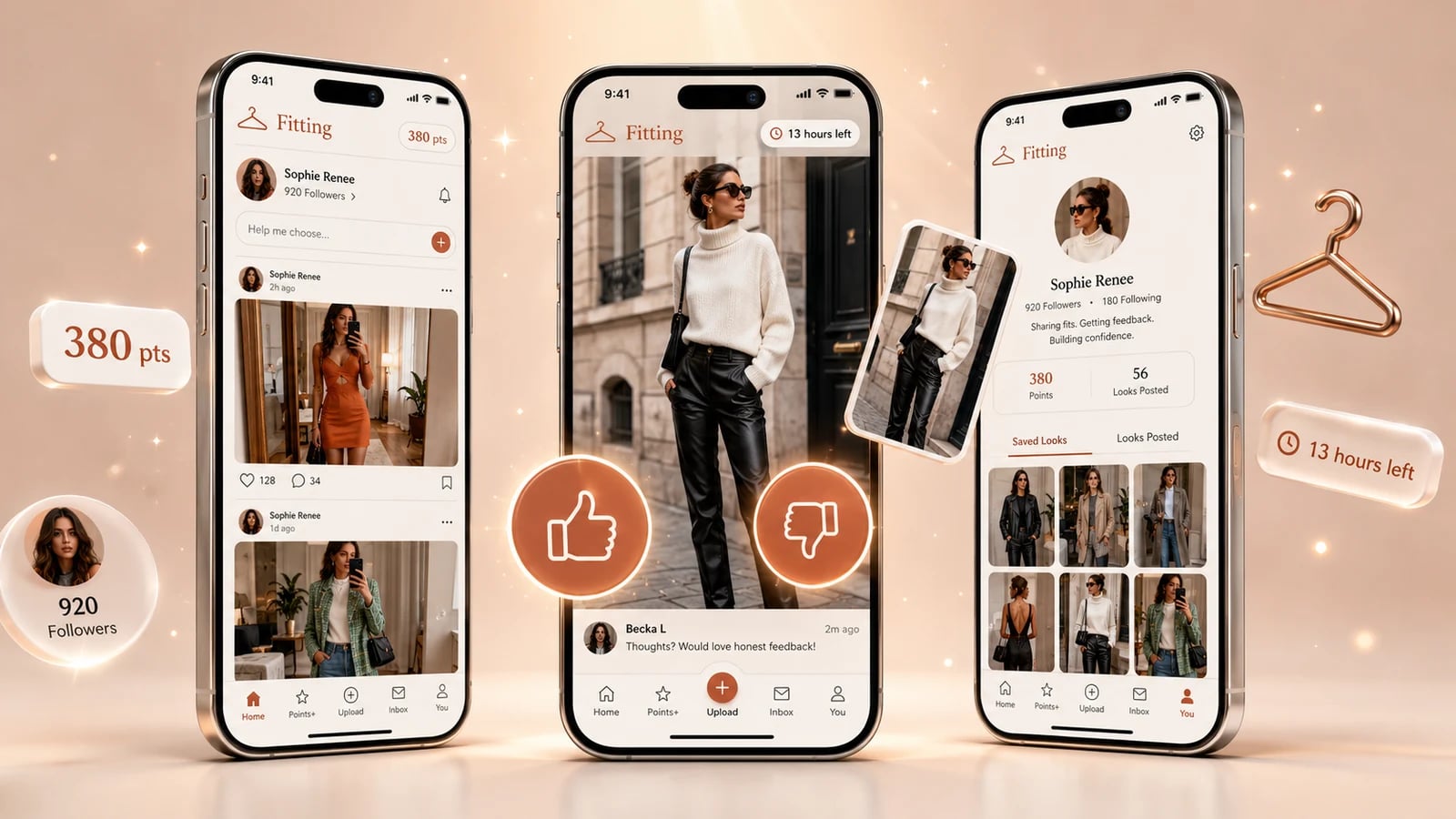
If the answer is the web, then the way the page is built stops being a technical detail. A visitor finds you by searching on a phone, tapping a map result, or scanning a code on a table. That means the page has to be in the index in the first place, and it has to show something useful before a tired connection has finished thinking. A site assembled entirely in the browser sends an empty shell first and fetches the content afterwards, which is fine behind a login where nobody needs to find the page, and bad on exactly the pages a stranger has to discover. The consumer work we have shipped is where we would point for the rest: Fitting Studio, which is rated 5.0 on the App Store, plus Glitz and Date Night, all products whose entire job was to get a person from curiosity to a decision without losing them on the way.
An install is a price you charge before you have delivered anything. Somebody here for four days will not pay it.
Behind a login this trade is fine, because nobody needs to find those pages. On anything the public has to discover, the content has to arrive in the HTML.
What Miami Beach businesses ask us to build
Two distinct jobs, and it is worth knowing which one you are hiring for: reaching a stranger once, or serving somebody who comes back.
Guest-facing mobile web that opens in one tap
Menus, bookings, tickets, waitlists and check-in, reached from a search result, a map listing or a printed code. Built to be readable in sunlight, usable one-handed, and quick on a crowded hotel network.
Native apps where somebody actually comes back
Studio memberships, loyalty for people who live here, and tools your own staff carry through a shift. These are the cases where a download is repaid, and we will say so plainly when your case is not one of them.
Connecting to the booking engine, PMS or POS you run
Availability, rates, tickets and orders read from the system your team already works in, so nobody is keeping a second calendar and no guest is told a table is free when it is not.
Operations that survive the weeks that matter
The convention center fills, an event lands, and traffic for the week arrives in a few hours. We size and test for that peak instead of the quiet Tuesday, because that is the week the software either earns its keep or embarrasses you.
Consumer products we have actually shipped
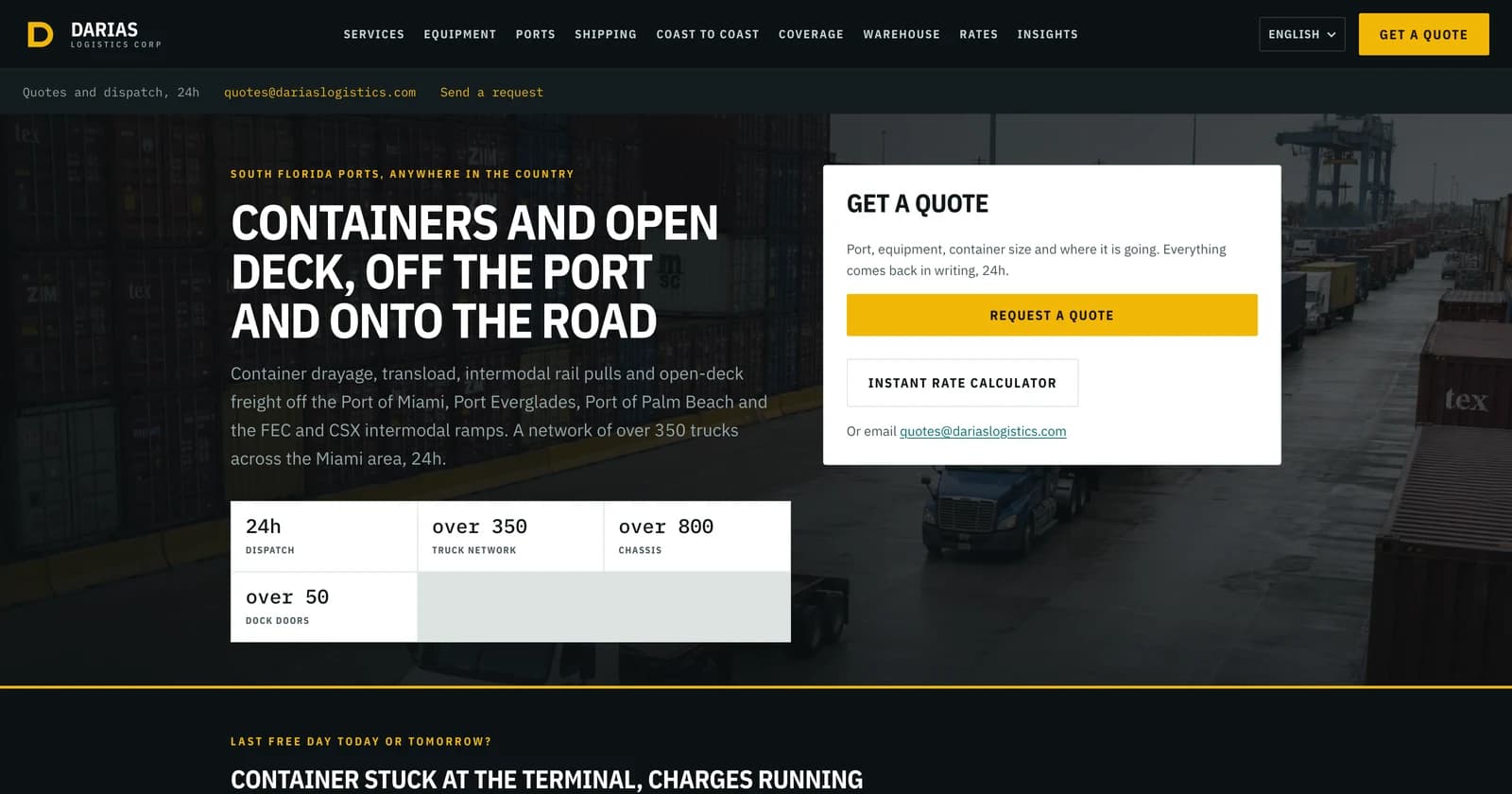
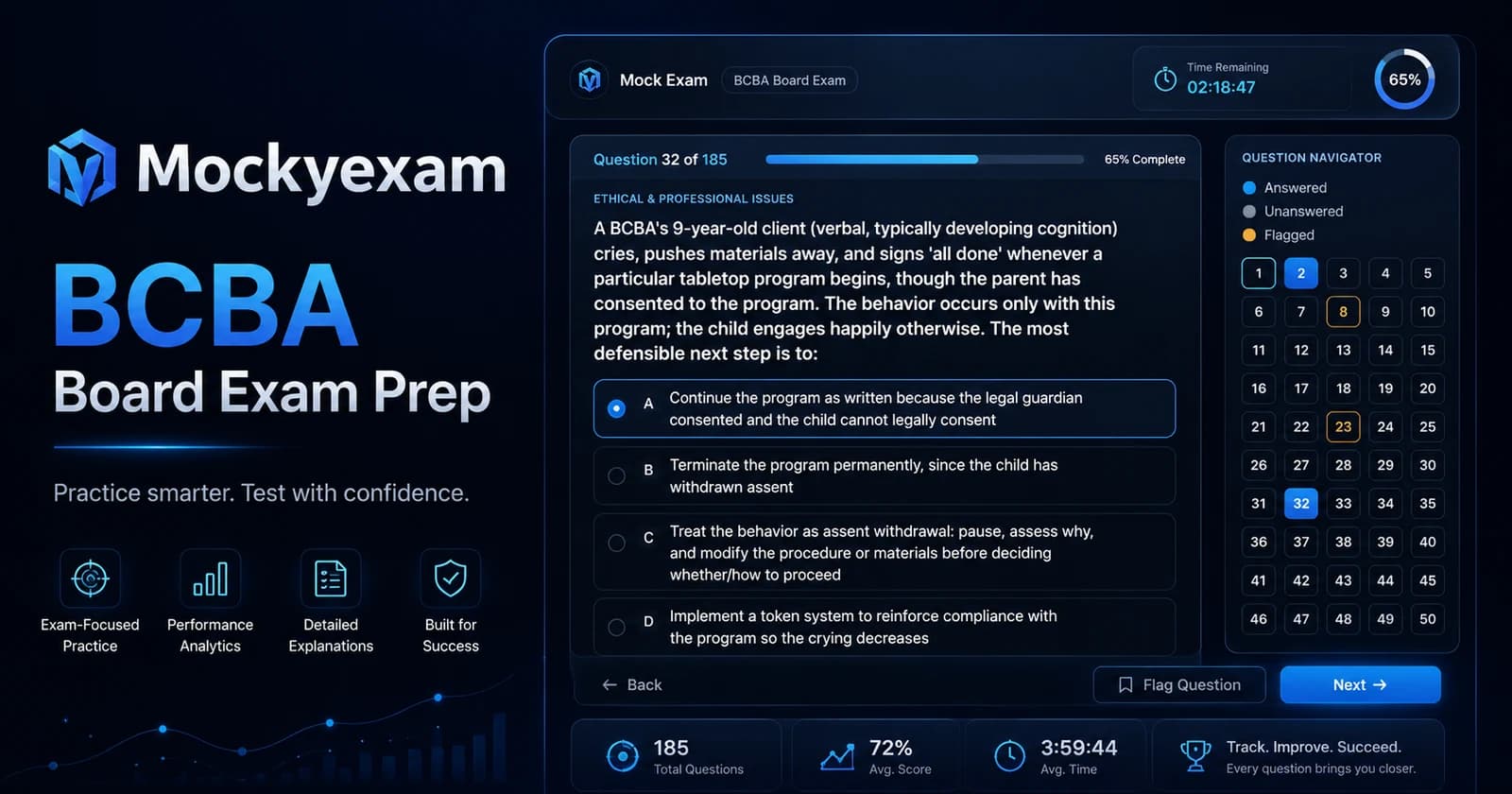
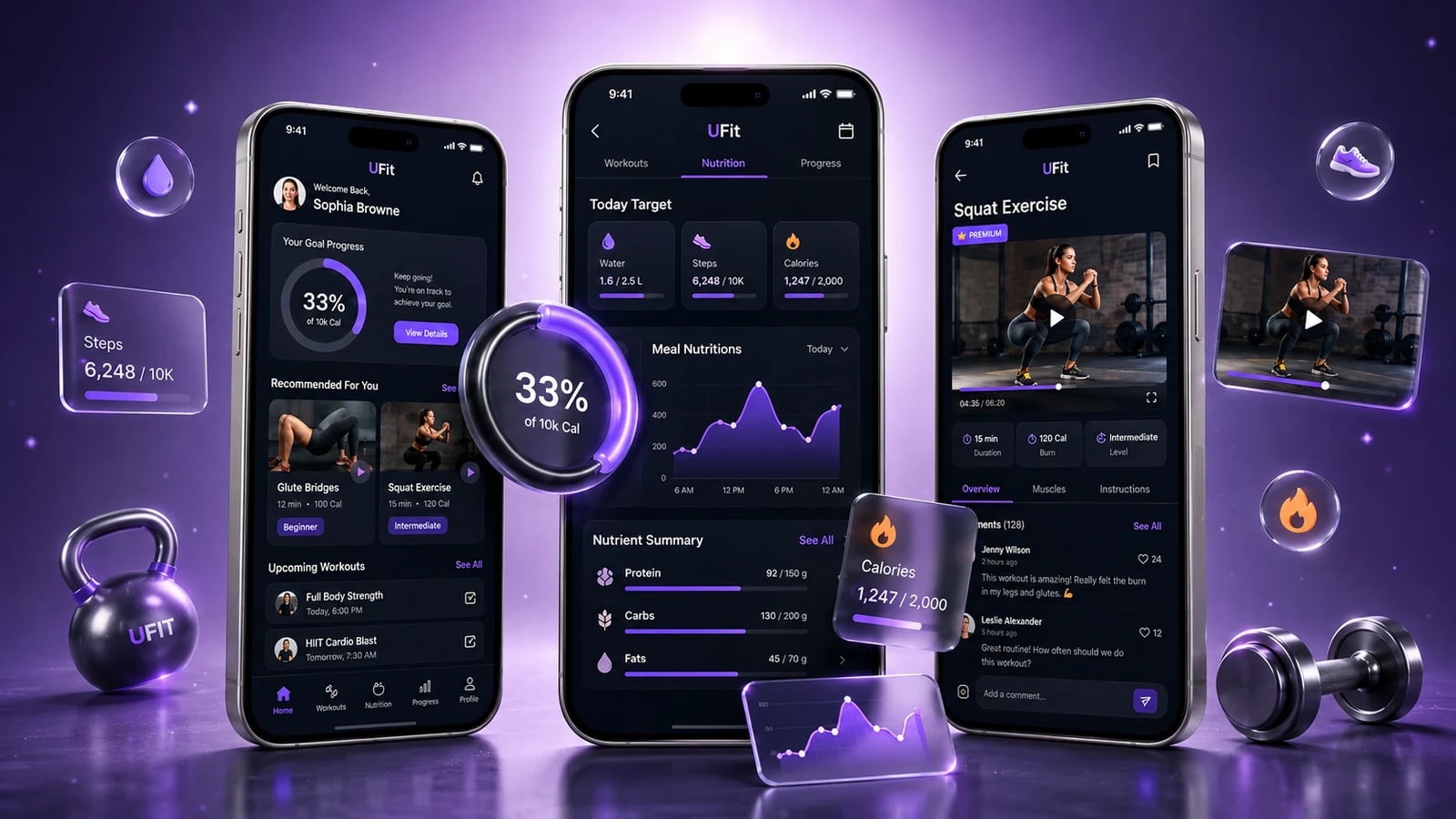
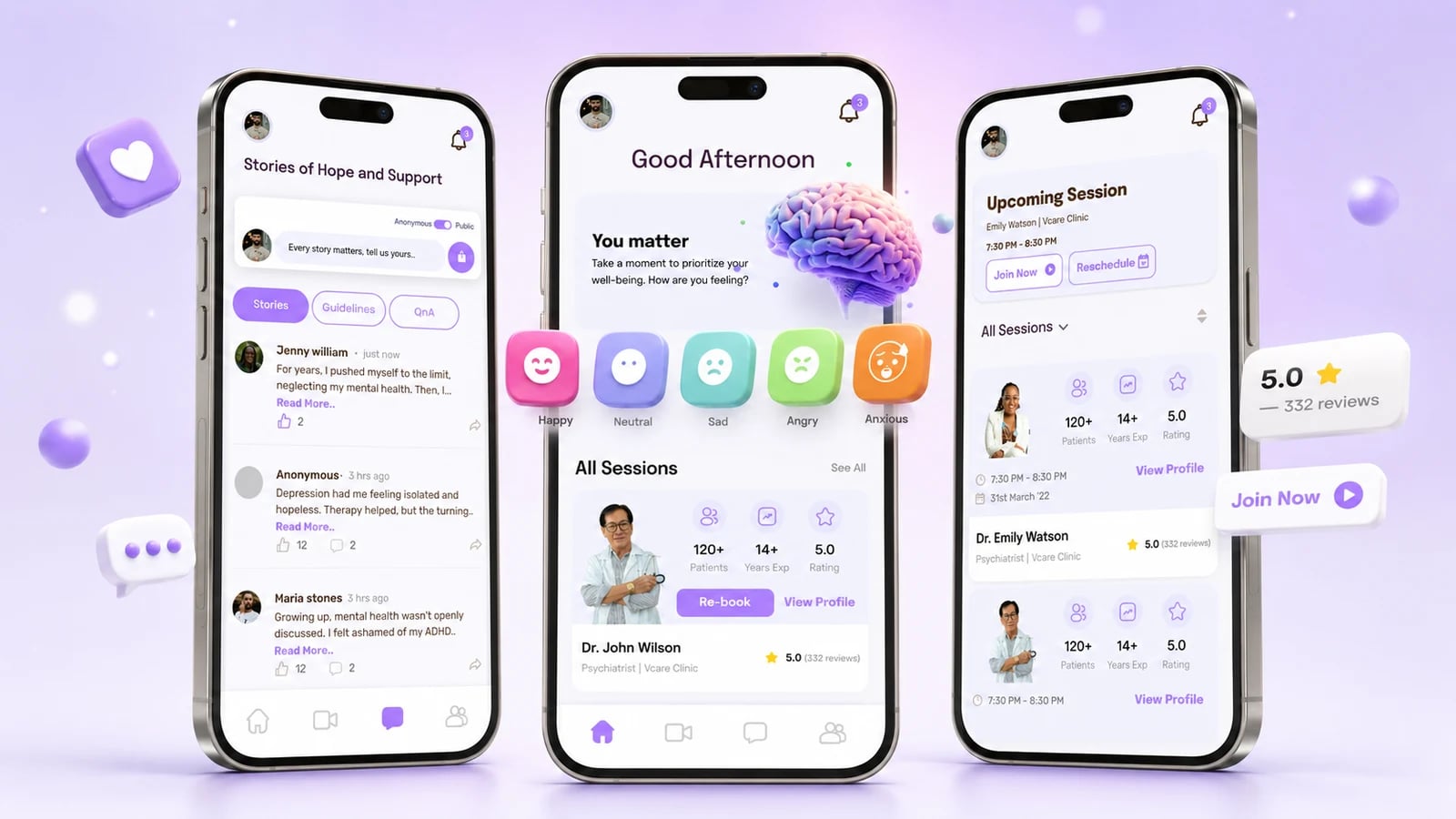
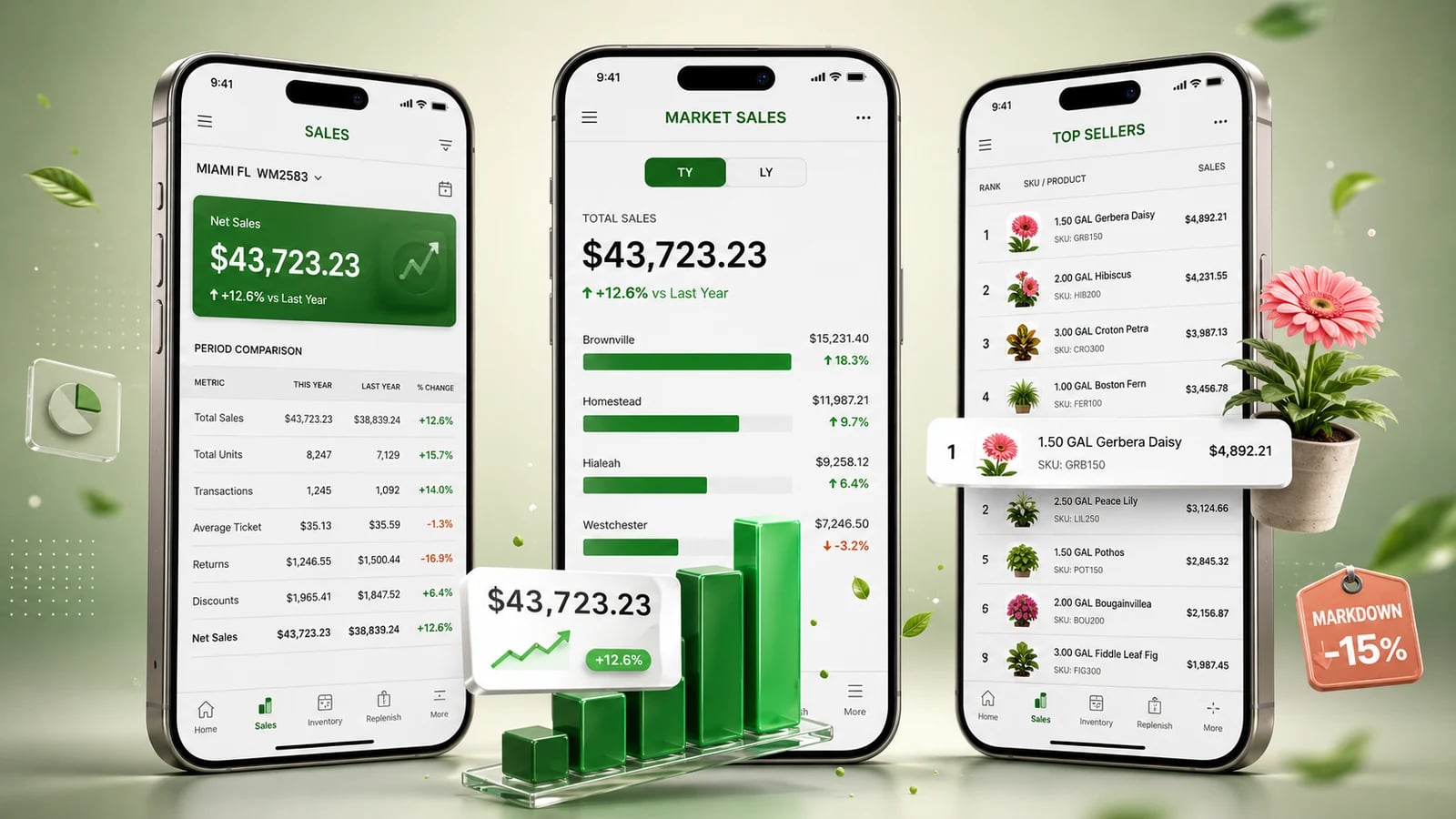
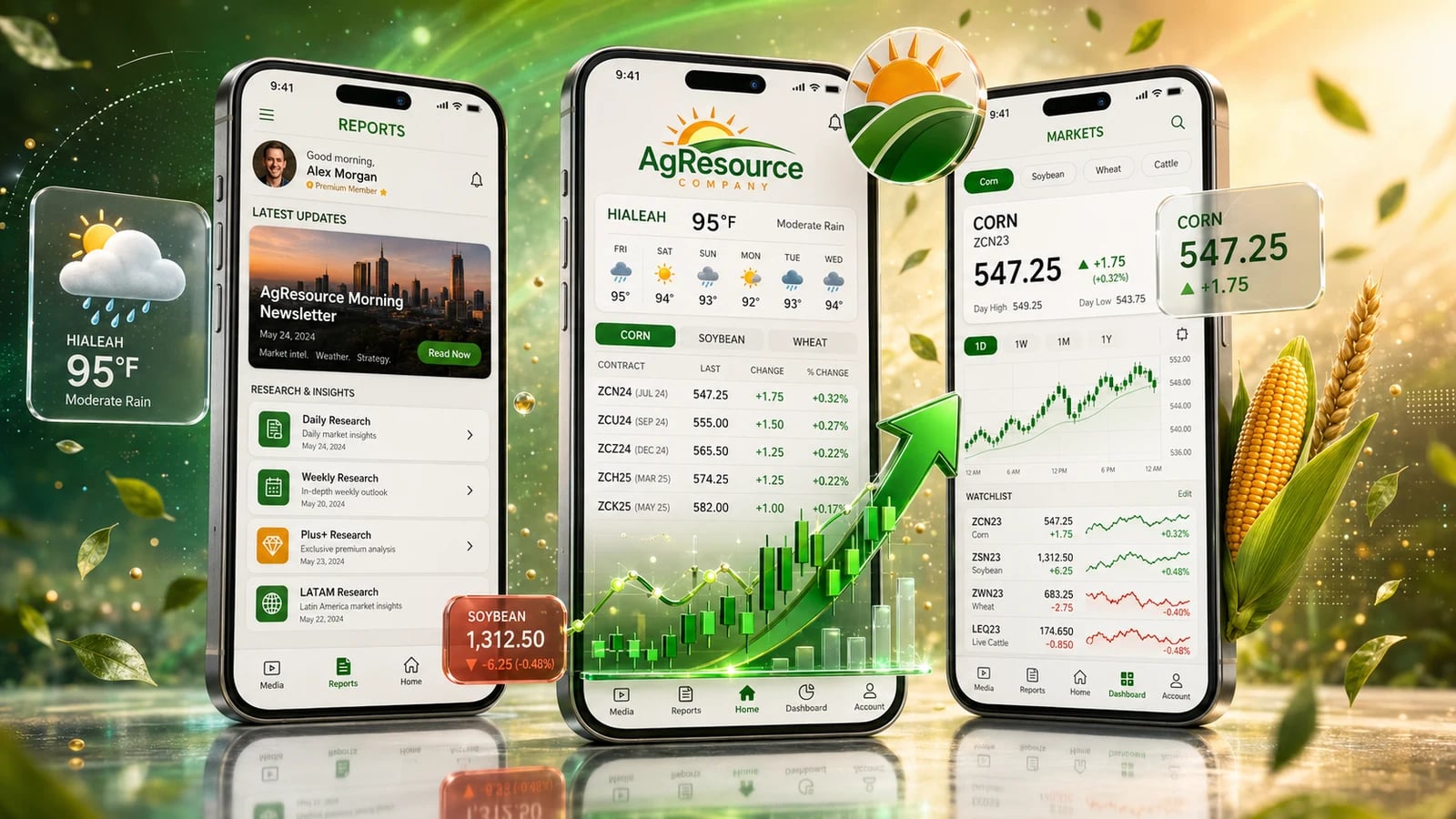
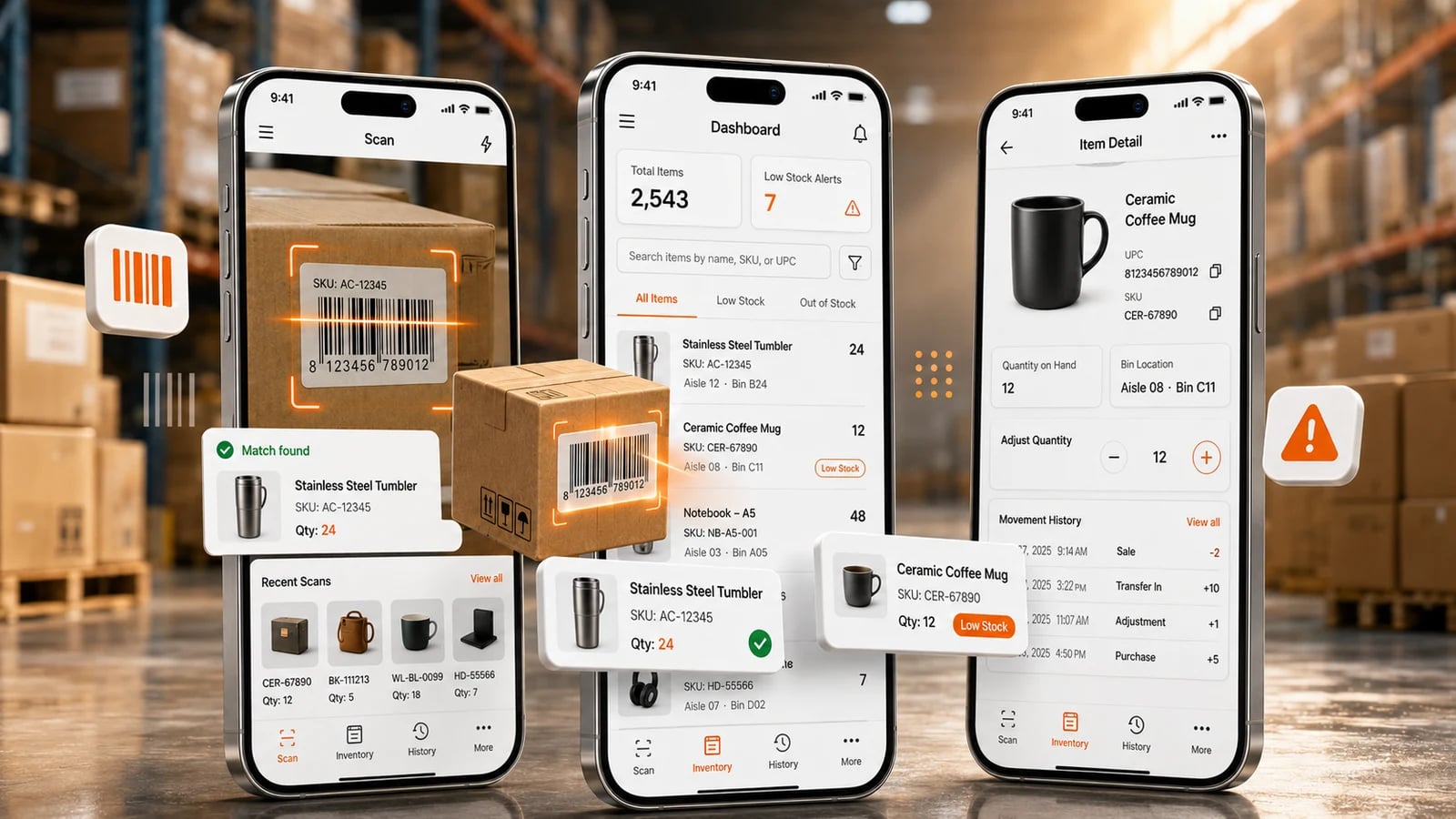
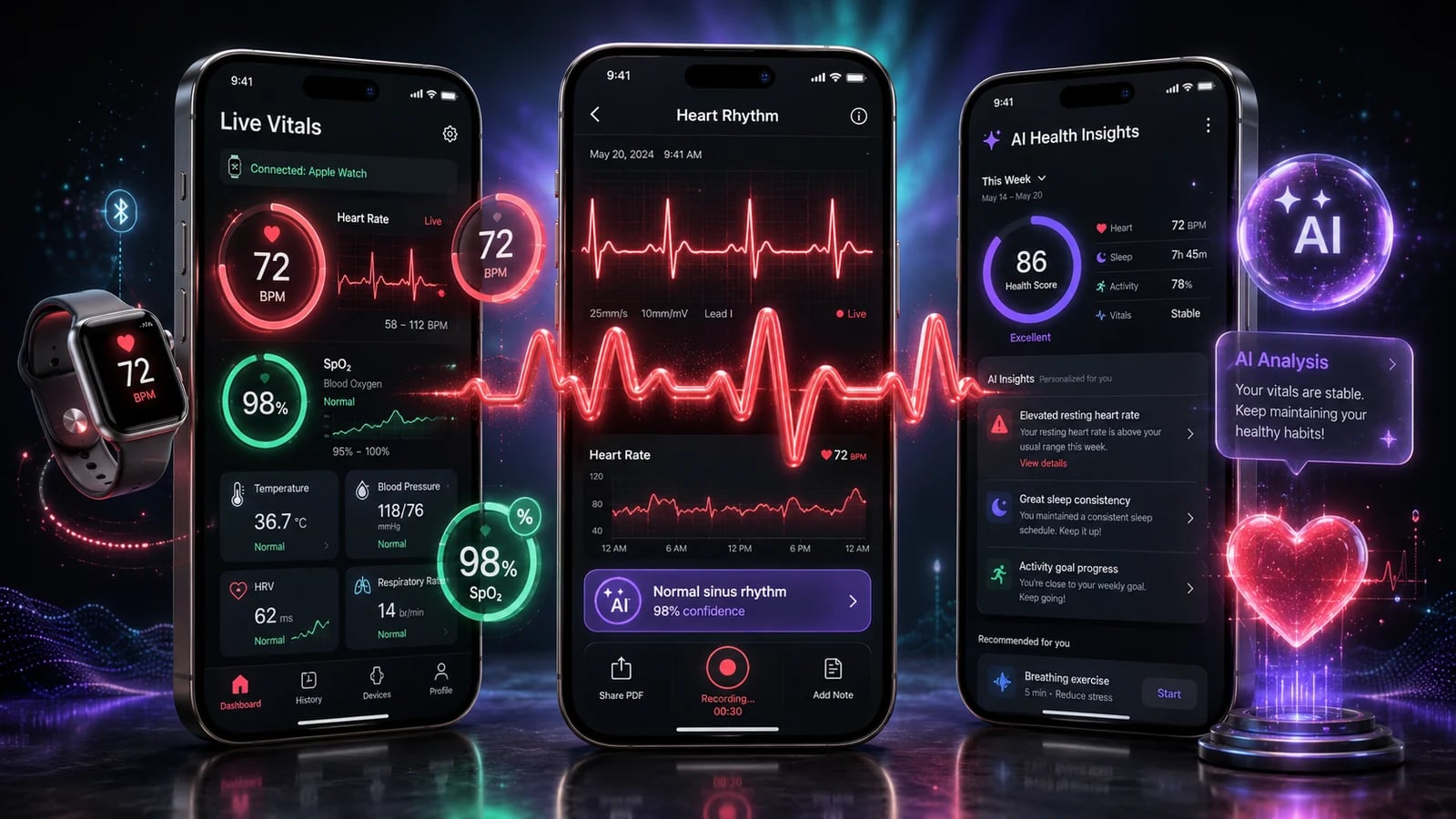
These are all built for people choosing quickly, which is the same problem a Beach business has. Two carry public store ratings you can go and read; for the others, open the case study and judge what was built.
Why Miami Beach businesses work with us
The install question gets settled before the estimate
We work out with you how many times one person will realistically open it in a year, and we write the answer down. That number decides web against native, and it is a better basis for spending money than whichever option sounded more impressive in the meeting.
We build for the phone your guest is actually holding
Two years old, half charged, on a network shared by four hundred other people in the same building, held in one hand in bright sun. Speed and legibility under those conditions are requirements we test against, not adjectives in a proposal.
Nobody has to replace the system they run on
Your booking engine, property system or point of sale usually stays exactly where it is. We read from it and write to it. Ripping out working operational software during your busiest season is a risk very few businesses here should be taking.
Ways to begin
The first decision is web or native, and it is worth making that call deliberately rather than discovering it after the money is spent.
Free consultation
You are weighing an app against a website
A working session, in English or Spanish, on who your users really are, how often each of them comes back, and what your booking or point of sale system will and will not let software do. The recommendation and a firm price come to you in writing afterwards, and they are yours to keep even if you take them somewhere else.
Free, and not a sales call.
A guest experience on the web, price fixed at signing
Most visitor-facing work
The booking, ordering or ticketing flow your guests need, built to open instantly from a link or a scanned code, connected to the system you already run, and measured so you can see where people stop.
The usual first project on the Beach.
A native app for people who return
Members, regulars or your own staff
iOS and Android for a defined audience with a reason to come back, using the phone properly for offline work, location, camera or wallet passes. Published to the stores from accounts registered to you.
Right less often than people expect, and clearly right when it is.
Looking for the general version of this instead of the Miami Beach one? Native work is described on our mobile app development page, and internal business systems on the software development in Miami page.


App development in Miami Beach. FAQ
Is Appluex located in Miami Beach?
No. Appluex is headquartered in Miami, across the causeway, and works throughout Miami-Dade including Miami Beach. We would rather state that than let a page title imply an address on Collins. Plenty of firms ranking for this search have no presence in Florida at all and publish an identical page for several hundred cities, so asking directly where a company is, and whether the answer resolves to somewhere real, is a fair first question for anyone you are considering.
Should we build an app or a mobile website?
For most guest-facing purposes on the Beach, the website, and we will usually argue for it against our own commercial interest. The test is how many times one person will open it in a year. A visitor deciding on dinner, buying a jet ski hour or checking into a rental will open it once, and asking that person for a download costs you customers at the exact moment you had their attention. Members, regulars and staff open things repeatedly, and there a native app is the right purchase.
What does asking someone to install actually cost us?
More than most owners expect, and it is measurable before you build anything. Put a link in front of real traffic, count how many people reach the end of the flow, then compare it against what happens when the same people are asked to download first. Every added step loses part of the group, and the losses stack. We will not quote you a published abandonment percentage for this, because the figures being passed around come from companies selling something and we could not trace them to a source we would stand behind.
Can this connect to our booking engine, PMS or point of sale?
Usually, and how cleanly depends on that vendor rather than on us. A few hospitality platforms publish real documentation and a proper set of endpoints, and with those it is a short job. Some expose a limited partner integration that covers availability but not, say, modifying a reservation. Some offer nothing but a nightly export, which means your guest-facing screen is showing yesterday and you should design honestly around that. Tell us which systems you run and you will get a realistic answer for each one before you commit to anything.
Do QR codes on tables and signs still work?
They work when what is behind them is worth the scan. The scan itself is not the problem: the phone camera does it in a second and everybody knows how. What fails is the destination. A code that opens a blurry PDF menu, or a page that takes eight seconds to appear, or one that demands an email before showing prices, trains people not to bother next time. If you are going to print codes, the page behind them deserves the same attention as the sign.
Our guests come from everywhere. How many languages do we need?
Fewer than you fear, chosen deliberately. English and Spanish cover most of the traffic, and the visitors bureau reports Colombia, Brazil and the United Kingdom among the leading overnight international markets for the county, which makes Portuguese worth considering for some businesses. What matters more than the count is that a language is carried through the whole experience: the confirmation email, the receipt, the date format and the error message, not only the buttons on the screen. Half-translated software reads as careless, and this site is published in Spanish at every address with /es in front, written rather than machine translated, so you can check that we hold ourselves to it.
Can we send notifications or use wallet passes without an app?
Partly, and the limits are worth knowing before somebody promises otherwise. Passes for tickets, room keys in some systems, and loyalty cards can go into the phone wallet straight from a web page, which is genuinely useful. Push notifications are the harder one: on iPhone a website can only send them if the visitor first adds it to their home screen, which very few guests will do. So if reaching people after they leave is central to your plan, that is a real argument for an app, and if it is not, it is not.
What happens when a big event week hits?
That is when the software is tested, and it is the week we design for. Traffic here is not a flat line: the convention center fills, an event lands, and a month of demand arrives in a few days. So we load test against the peak rather than the average, keep the guest-facing pages cheap enough to serve that they do not depend on everything behind them staying healthy, and make sure a failure in one integration degrades to a usable page instead of a blank one. A site that falls over during your best week has cost you the whole year's upside.
Who owns it, and what does it cost to keep running?
The source code is yours, and every store listing is created inside developer accounts registered to your business, with the signing keys turned over to you. That matters more than it sounds for a business that lives on reviews: ratings belong to the listing, the listing belongs to whoever holds the account, and an app parked in a vendor's account cannot be moved without abandoning every rating on it. On running costs, be aware that a native app is not a one-off purchase. The stores raise their requirements every year, and an app nobody touches will eventually fail a routine review. A web experience carries no such deadline, which is one more reason to be sure before choosing native.
Guides from our team














Let's build something worth shipping
Tell us about your idea. With a track record of success and a commitment to client satisfaction, we'll help bring your product to life.