App developers in Jacksonville
Appluex is a mobile and web software studio headquartered in Miami, working with Jacksonville companies remotely and by milestones. The work that reaches us from here rarely stands alone. It has to feed a terminal system, a bank's core, or a prime contractor's portal, prove who touched what, and keep working from a yard or a jobsite where the signal drops.
Nothing in Jacksonville runs on one system, so the software lives in the gaps
Jacksonville is a city of counterparties. JAXPORT is one of the busiest ports in the country for vehicles and a serious container and breakbulk gateway, with terminals, rail, drayage carriers, forwarders and a customs desk all touching the same box on the same day. Across the river and down the coast, two naval installations anchor a ring of contractors, maintainers and suppliers who work to someone else's specification and report into someone else's system. And spread through the office towers and suburban campuses is one of the larger concentrations of banking, insurance and financial technology back offices in the Southeast, each running a stack of systems bought over twenty years by people who have since left. The largest city by land area in the lower forty-eight has, fittingly, almost no business that operates alone.
So when a Jacksonville company describes what it wants, the word app is usually the wrong word for it. A drayage operator wants the terminal appointment, the load, the driver's status and the invoice to be one record instead of four. A claims operation wants the intake form, the adjuster's notes, the vendor's estimate and the payment to stop needing a person to carry them between screens. A contractor wants the field report the technician wrote at the pier to land in the prime's portal by the deadline, with a record of who wrote it and when, without anyone retyping it at a desk that night. Every one of those is an integration problem wearing an app costume. Somewhere in each operation there is a person whose real job is copying, and the cost is not the copying. It is that after the third copy the systems disagree, and nobody can say which one is right, and the audit asks exactly that question.
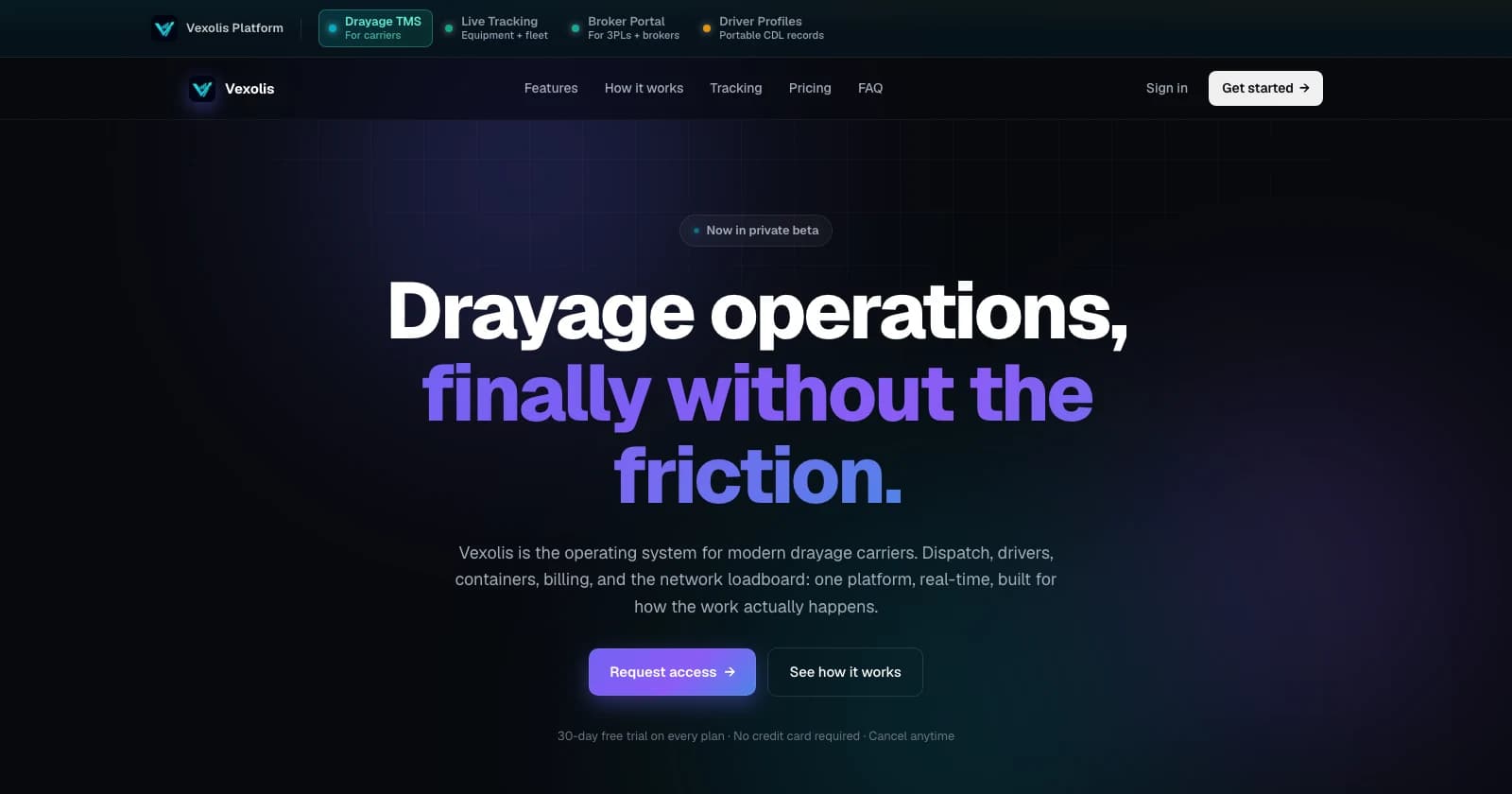
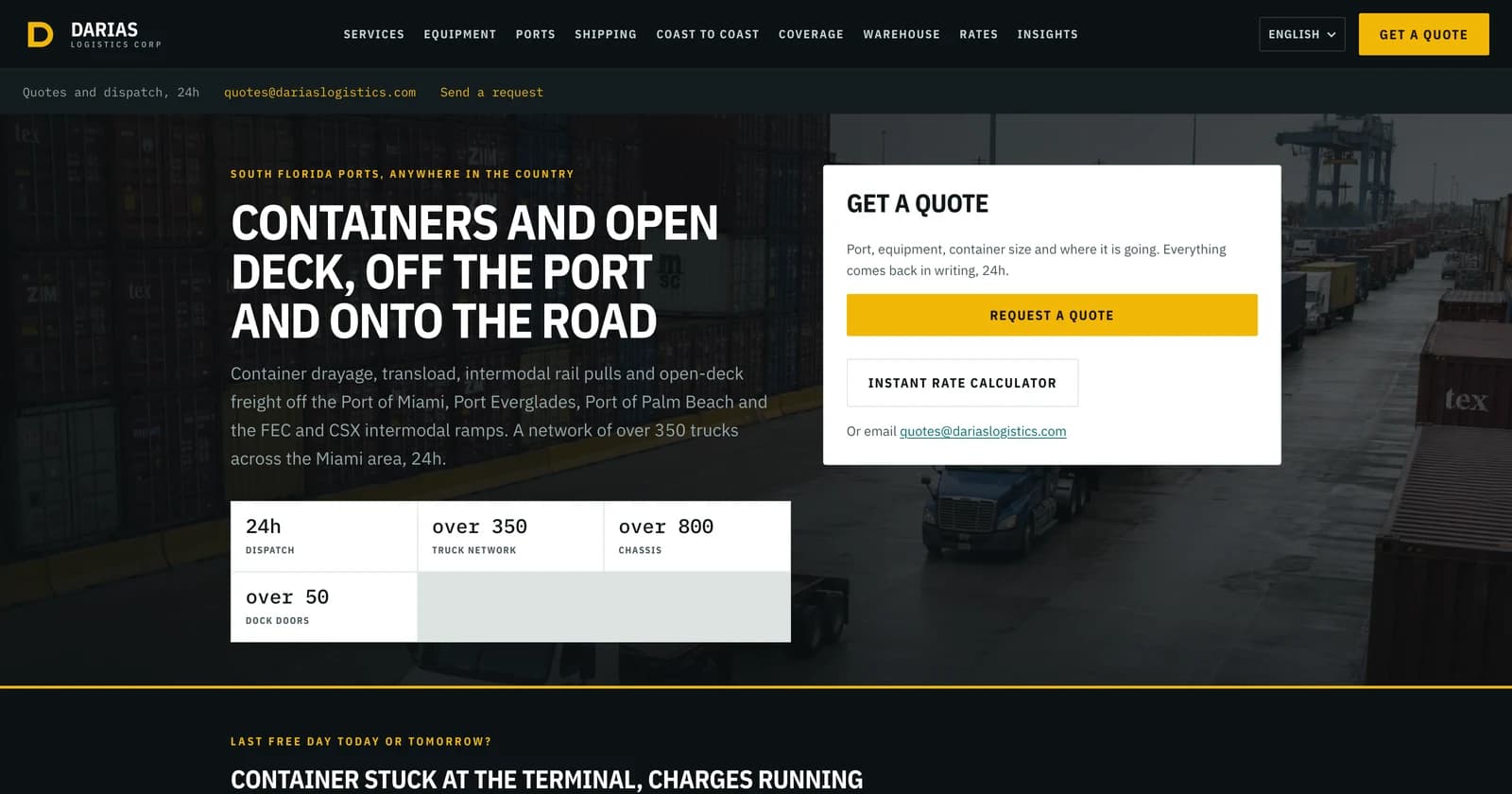
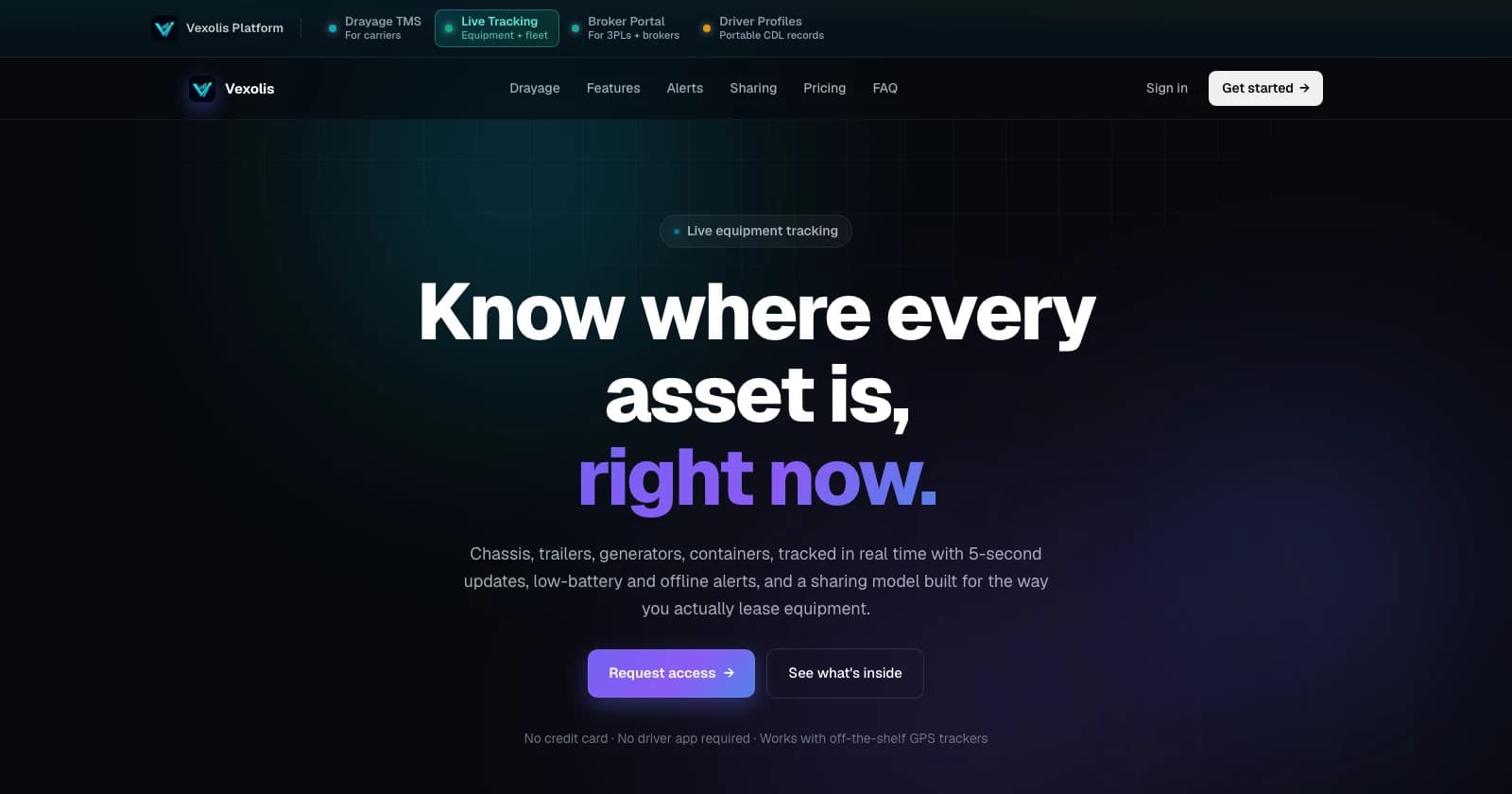
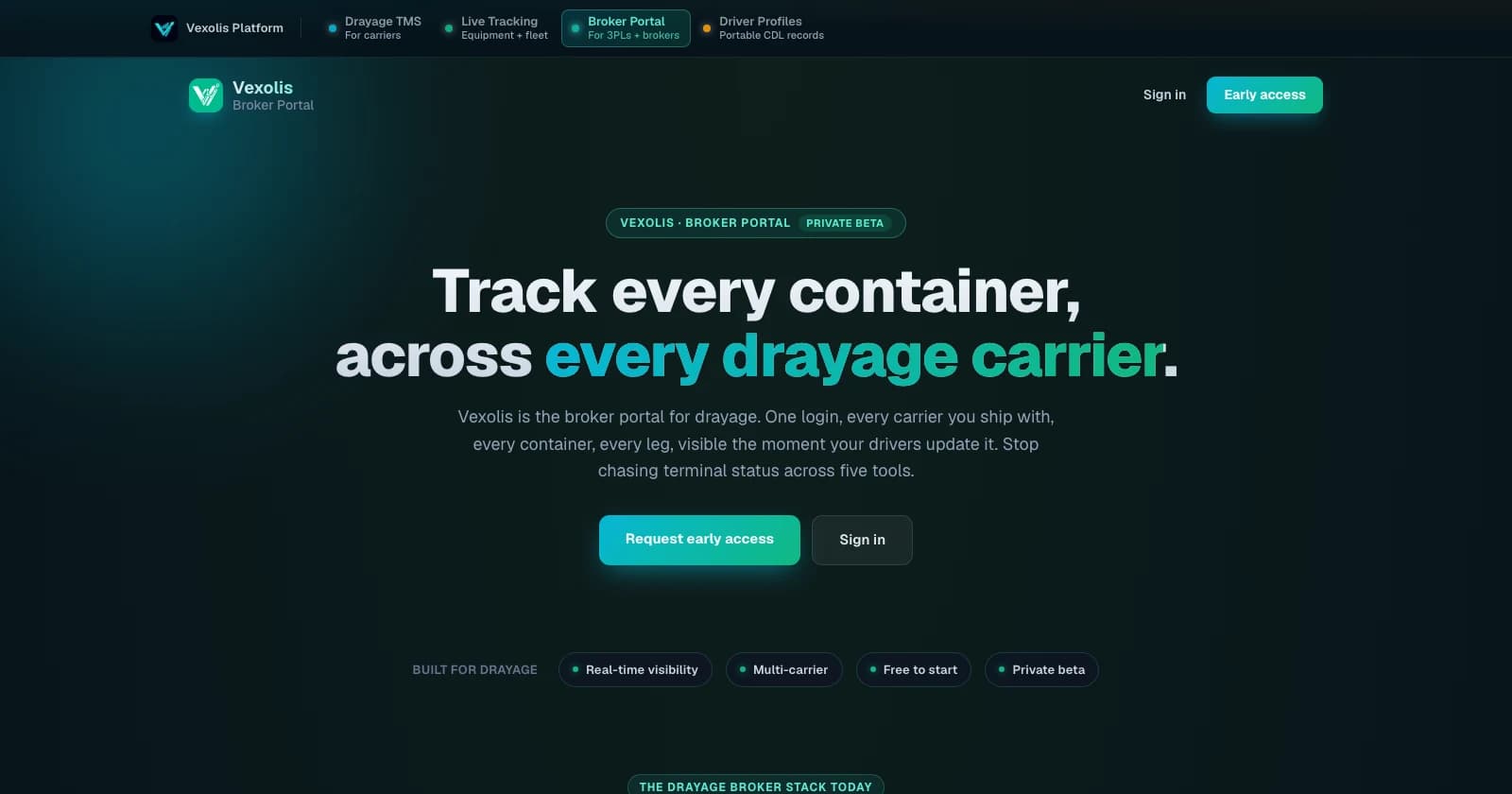
The honest part of this job is that not every handoff should be automated. Some systems have a documented API. Some speak EDI. Some drop a file on a server overnight and call it an integration, which means the connection is a batch and you should plan around the delay rather than pretend it is live. Some belong to a prime or a bank that will not give you access, which is a commercial question wearing a technical costume. Part of what you pay us for is to say which is which, in writing, before the estimate, and to say plainly when a handoff is cheaper left alone. The work we would point at is Vexolis, a multi-tenant logistics platform we built and run, and Darias Logistics, container drayage off the South Florida ports with an instant written rate. Both were built for freight out of Miami, not Jacksonville. They are here because the mechanism, a load touching six companies, is identical at the other end of I-95.
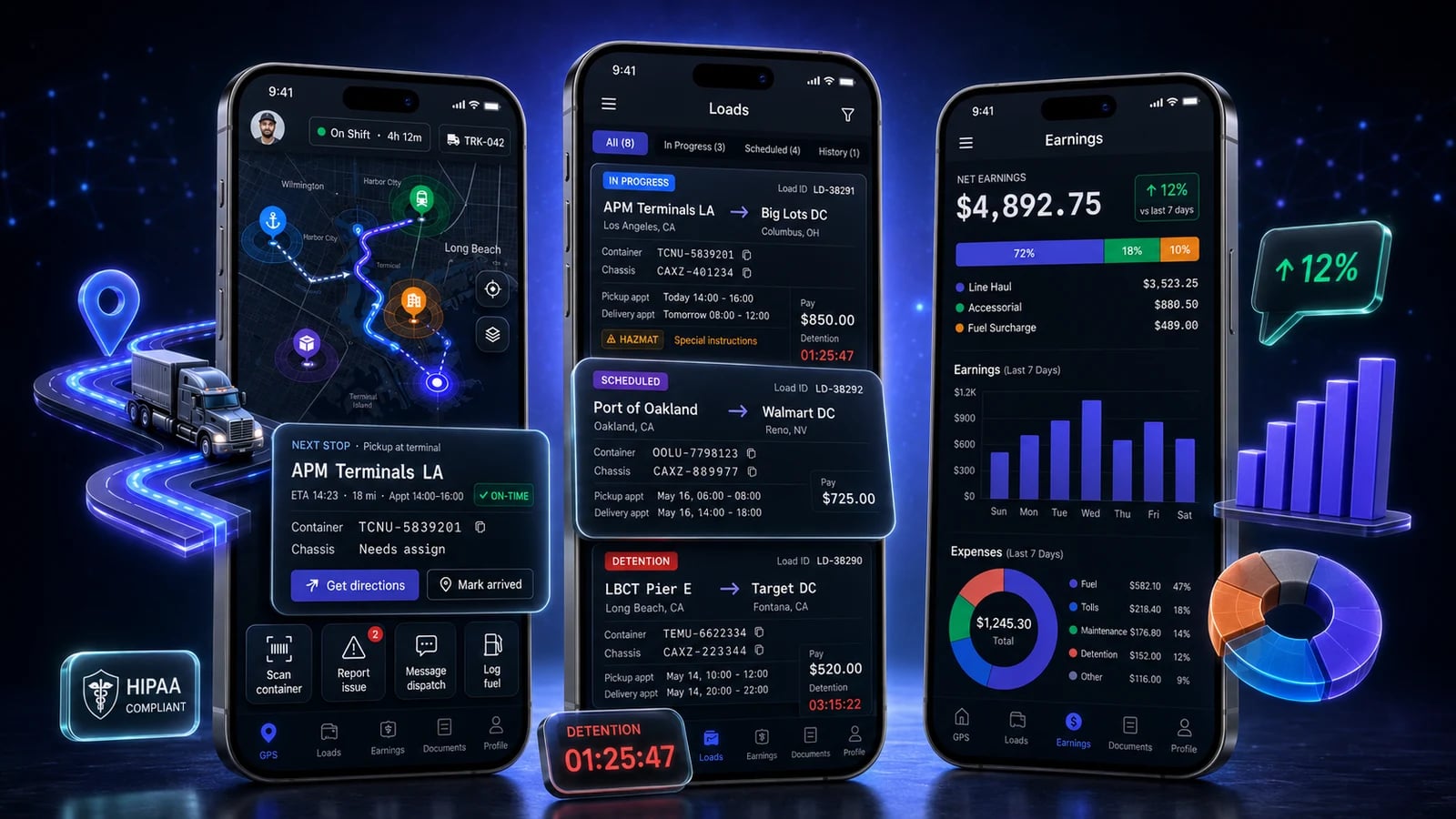
Two things about this market shape how we build. The first is the field. A yard, a pier, a ship's engine room and a substation all lose signal, so a tool used there has to keep accepting input offline and reconcile cleanly when the connection returns, including deciding what wins when the same record was changed in two places. Leak Survey Sidekick, a plant-floor tool we built for an industrial maintenance client elsewhere, is exactly that shape, and it is the shape a base contractor's inspection app needs too. The second is the audit. In finance and in defense-adjacent work someone will eventually ask who saw this record, who changed it and when, and the system has to answer without a shrug. We build the trail in from the first table, and we are exact about what we do not claim: there is no certification we hold that makes your compliance obligations go away. What we do is build so that meeting them is possible and provable. As for the five hours between here and our office, they show up nowhere in the loop: every milestone ends in a build you can put on a real truck or a real jobsite, and you sign off on it before the next one starts.
Every one of these requests is an integration problem wearing an app costume. The cost is not the retyping. It is that afterwards the systems disagree, and the audit asks which one is right.
The hours spent bridging tools that will not talk to each other rarely appear on a budget line, which is exactly why the cost survives for years.
What Jacksonville companies ask us to build
Software that connects to something else, proves who touched what, and keeps working where the signal does not.
Integrations across terminal, carrier and customer systems
Port appointments, TMS, WMS, accounting, customer portals and partner feeds, connected by whatever each one actually supports: a documented API, EDI, a nightly file drop, or a careful workaround when a vendor offers nothing. Every feed monitored, so a silent failure is caught by you and not by a customer.
Compliance-minded systems for finance and contractors
Internal tools where every record carries who created it, who changed it and when, access is enforced in the database rather than by habit, and the reports a prime, an auditor or a regulator asks for come out of the system rather than out of a scramble.
Field tools that tolerate no signal
Inspection, maintenance, yard and delivery apps that keep capturing on a pier, in a hull or in a substation, sync when the connection returns, and settle conflicts by a rule everyone agreed on in advance rather than by whichever upload happened last.
Operations platforms that replace the copying
One system the dispatcher, the technician and the office all work in, so a load, a claim or a work order is a single record from intake to invoice instead of four records that drift apart by Friday.
The mechanism, shown on work we have shipped
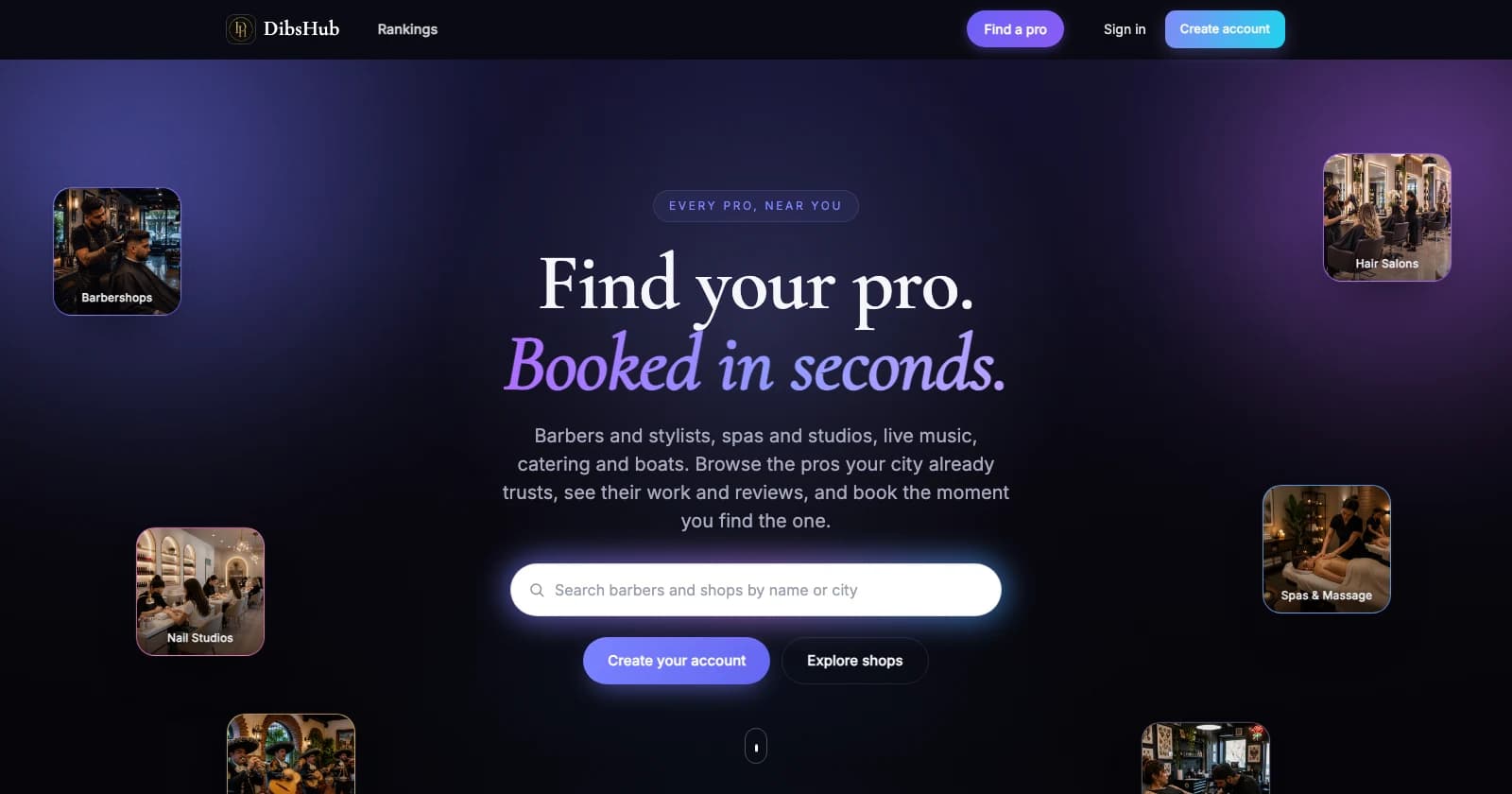
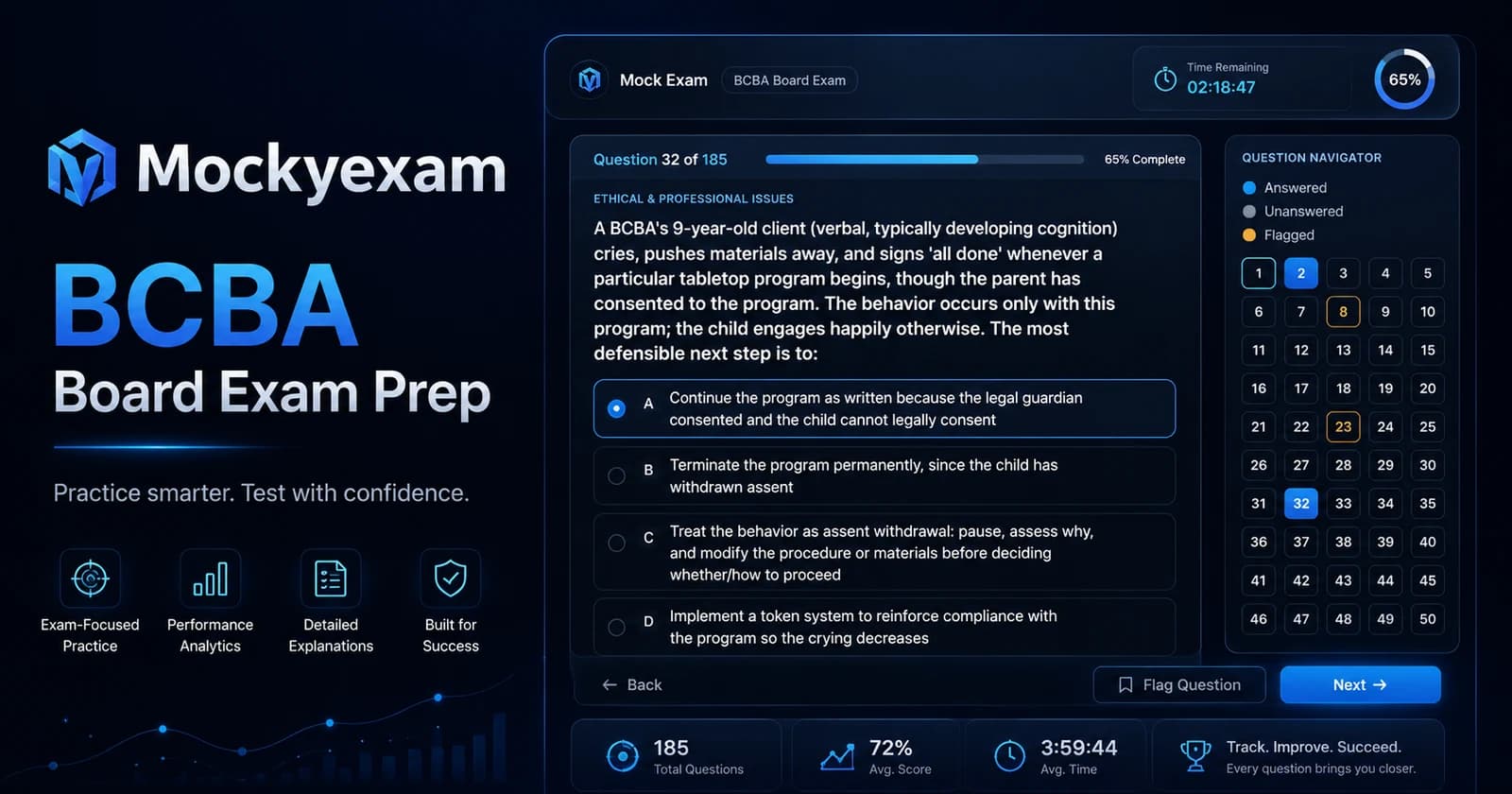
None of these was built for a Jacksonville company. Two move freight through the South Florida ports, two were built for clients in other industries. Each shows the thing this page argues for: systems handing work to each other, and tools that survive the field.
Why Jacksonville companies work with a Miami studio
We map the handoffs before the features
The first deliverable is a written picture of where work leaks between systems and people, with a cost on each leak and a note on which connections are realistic. It is useful whether or not you build anything, and it tells you which piece to do first.
The audit trail is a table, not a promise
Who created, changed or viewed a record is written down by the system from day one, and access is enforced in the database rather than remembered by developers. When a prime, a regulator or your own counsel asks, the answer is a query, not a meeting.
Milestones you can put on a truck
Every stage ends in a build you can install on a real device and take to a real yard or jobsite. Distance stops being a variable when the work is in your hands every couple of weeks, which is how we deliver across Florida without a second office.
Ways to begin
Almost nobody here should start with a platform. Start with the single worst handoff, prove it in production, and decide what is next with real information.
Free consultation
You know it is inefficient, not where
A video working session, in English or Spanish, walking the actual path a load, a claim or a work order takes through your systems and your people. You leave with the handoffs written down, an opinion on which one costs the most, and a fixed estimate, whether or not you hire us.
No cost and no obligation.
One integration, fixed price
You already know the worst one
The single connection eating the most time, built and put into production at a fixed price, including monitoring and whatever unglamorous handling the system on the other end actually requires.
The usual first project from Jacksonville.
An operations platform, by milestones
Several systems and no center
A system your operation works in, delivered a piece at a time so each stage is in production and earning before the next starts. You approve each milestone from a working build, and nobody has to stop working while it is built.
Most of these relationships run for years.
Looking for the statewide picture rather than a city page? Our Florida app development page covers how we work across the state, and the custom software development page goes deeper on integrations and internal systems in general.


Software development in Jacksonville. FAQ
Does Appluex have an office in Jacksonville?
No. Appluex is headquartered in Miami, Florida, roughly five hours down I-95, and has no Jacksonville office, mailbox or storefront. We work with Jacksonville companies remotely, by milestones, over video and shared builds, and we say that plainly because a good share of the firms that rank for this search are national operations with an automatically generated page for every city and a rented address to match. Ask any of us for an address and see whether it resolves to a real place.
Can you connect to the port's terminal system, our TMS and our customers' systems?
Usually, and the honest answer depends on what each system offers rather than on us. Some have a documented API and it is straightforward. Some speak EDI, which is older and fussier but entirely workable. Some only drop a file on a server overnight, which means that integration is a batch and you should plan around the delay rather than pretend it is live. Some belong to a customer who will not give you access, which is a commercial problem to raise with their account manager, not a technical one to work around. Tell us which systems you run and we will tell you what is realistic for each before you commit to anything.
We are a contractor and our prime asks about NIST 800-171 and CMMC. Can you build to that?
We can build systems whose access control, logging and data handling support the controls your assessor will ask about, and we will be exact about what that means. Appluex does not hold a CMMC certification or any other credential that transfers compliance to you, and we would be careful with a vendor who implied otherwise, because the obligation sits with the contractor and is assessed on the contractor's whole environment, not on one piece of software. What we do is design so the controls are possible and provable: access enforced in the database, an audit trail from the first table, encrypted transport and storage, and no production data in any test environment. Bring your assessor's checklist to the first conversation and we will tell you which items the software can carry and which belong to your processes.
Will a field app keep working at the pier, on a vessel or on a base where there is no signal?
That is a design requirement rather than a feature to add later. The app has to keep accepting input while offline, store it safely on the device, sync when the connection returns, and settle conflicts by a rule agreed in advance when the same record changed in two places. A tool that freezes at a gate is replaced by a clipboard within a week, and then you have paid for software and kept the clipboard. Leak Survey Sidekick was built on exactly this principle for an industrial client, and it is the principle we would bring to an inspection or maintenance app here.
How do you keep an audit trail that a bank, an insurer or a prime will accept?
By making it part of the data model rather than a log file somebody remembers to write. Every record carries who created it, who last changed it and when, changes are kept rather than overwritten where the rule requires, and views of sensitive records are recorded too. Access is enforced in the database, so a query that forgets its filter returns nothing rather than everything. That gives you a trail you can query when someone asks, instead of a reconstruction from memory. Which specific rules apply is your counsel's call and your assessor's; our job is to build so that answering them is a report, not a project.
How does a remote project actually run week to week?
In short milestones. Each has a written scope, ends in a build you can install on a real device or open in your own browser, and closes with a call where we walk through what changed and what is next. You sign off before the following milestone starts, so there is never a long quiet stretch where work is happening and you cannot see it. A typical first version takes eight to sixteen weeks that way, and a single integration is usually weeks rather than months.
Who owns the software, the data and the accounts?
You do. The source code is assigned to you, apps are published under your own Apple and Google accounts with the signing keys handed over, and data export is built in from the start rather than negotiated later. In freight you will change partners and systems more than once, and in contracting the prime may change too. Your operating history should travel with you, and your ability to leave a vendor should never depend on that vendor's cooperation.
Do you work in Spanish?
Yes. This whole site is published in Spanish at the same addresses with /es in front, written rather than machine translated, and we run projects in either language. For drivers, yard staff and field crews who work in Spanish, we build language into the data model from the beginning so instructions, forms and notifications arrive in the person's language rather than being translated on the screen at the end.
We tried an integration before and it kept breaking. Why would this be different?
Often the original was built against a system nobody controls, and nobody agreed who would watch it. Integrations are not build-and-forget: partner systems change, credentials expire, and a silent failure is worse than a loud one because the data quietly goes stale while everyone trusts it. So monitoring and an alert when a feed stops are part of the work rather than an upsell, and we will tell you honestly what ongoing attention a given connection needs before you decide to build it.
Guides from our team
















Let's build something worth shipping
Tell us about your idea. With a track record of success and a commitment to client satisfaction, we'll help bring your product to life.