App developers in North Miami
Appluex is headquartered in Miami and builds mobile and web software for organizations across Miami-Dade. In North Miami most of what we are asked to build touches two hard things at once: records about a person's health, and an audience that does not all read the same language. Both of those are architecture decisions, not features.
Holding someone's health record changes what the build has to do
About 60,000 people live in North Miami as of the 2020 census, more than half of them born outside the United States, and health care and social assistance is the largest single employment industry in the city, ahead of food service and retail. Florida International University's Biscayne Bay Campus sits here with more than 7,000 students, the largest branch campus in the state university system. So the software conversations we have in this part of the county come from clinics, private practices, behavioral health providers, university programs and community organizations, and they almost always contain the same two questions underneath whatever was actually asked. What does holding patient records require of us. And what happens to the people we serve who cannot read the screen.
Take the first one plainly. Protected health information is broader than most people assume when they first read the term. It is not only a diagnosis or a lab result. A name attached to an appointment time is protected. A phone number in a booking system that exists to book therapy sessions is protected, because the context is the disclosure. So is the reminder text that says which specialist someone is seeing on Thursday. Once you accept that, several build decisions stop being optional. Every account that reaches a record needs a role that limits what it can reach, and that limit belongs in the database rather than in a developer's memory of which query needs a filter. There has to be a log that answers who opened which record and when, kept somewhere the people being logged cannot quietly edit. Encryption has to mean two specific things and not one vague one: encrypted in transit, so nothing readable crosses a network, and encrypted at rest, so a copy of the storage volume is not a copy of your patients. And if a vendor is going to touch that data at all, there is a business associate agreement that says in writing what they may do with it, who they may pass it to, and what happens on the day the relationship ends.
Now the uncomfortable part, and it is the reason we would rather write this page than a page of badges. Very little of what goes wrong is a clever attack. It is an export to a spreadsheet that ended up on a personal laptop. It is one shared login the whole front desk uses, so the log cannot tell you who did anything. It is an account that still worked six months after the person left. It is a screenshot with a patient's name in it pasted into a support ticket. And it is the one we care about most, because it is ours to refuse: a developer asking for a copy of the production database so they have something realistic to test against. That request is normal in most industries and it is a red flag in this one. The right answer is generated test data that looks real and is not, and a staging environment that has never held a live record. Ask any firm you are considering what they test against, and listen carefully to the answer. On the subject of credentials, we will be exact: there is no government HIPAA certification for a software vendor, so we do not claim one, and anyone selling you one is selling you a course. What we can point at is work. Zant gives people access to mental health providers across categories including trauma and addiction recovery, where the sensitivity of the data shaped the architecture rather than being reviewed at the end. Compliance is your practice's responsibility and your counsel's advice. Our job is to build so that meeting it is possible.
The second question is the one this city asks more sharply than most, and the honest answer includes a limit on us. North Miami is one of the centers of Haitian American life in the United States, and Haitian Creole is widely spoken here alongside Spanish and English. We are not going to print a percentage, because the only place-level figure we could stand behind is from an old census, and a stale number on a page about local knowledge is worse than no number. Here is the limit: this website ships in English and Spanish only. There is no Creole version of what you are reading, and we would rather say that than let a page imply a third language exists. That does not mean we cannot build one into your product. It means we will tell you what it really takes, because adding a language is not a translation pass. Language has to live in the data model, so that the appointment reminder, the intake form, the consent text, the error message and the person who answers the phone all arrive in the language that patient chose. Translated screens with English emails behind them are worse than no translation at all, because the patient trusts the product and then gets the important part in a language they did not pick. And there is a second cost nobody puts in the proposal: every language you add is a language somebody has to keep current forever, including the clinical wording, which is not a thing you hand to an automatic translator. Sometimes the right call after that conversation is a third locale in the product. Sometimes it is translating the six screens that carry consequences and staffing the phone properly instead. We will help you work out which, and we will say when it is the second one.
A name attached to an appointment time is protected health information. Most of what leaks is not a diagnosis, it is the fact that the appointment happened at all.
Isolation enforced by the database rather than by application code. A query that forgets its filter is stopped by the policy instead of quietly returning another customer's rows.
What North Miami organizations ask us to build
Mostly software that either touches a patient record or has to reach people who do not all read the same screen. Often both at once.
Patient booking, intake and reminders
Scheduling that fills the gaps in a calendar without a phone call, digital intake that replaces the clipboard, and reminders written so that the message on a lock screen does not disclose why the appointment exists.
Telehealth, secure messaging and provider discovery
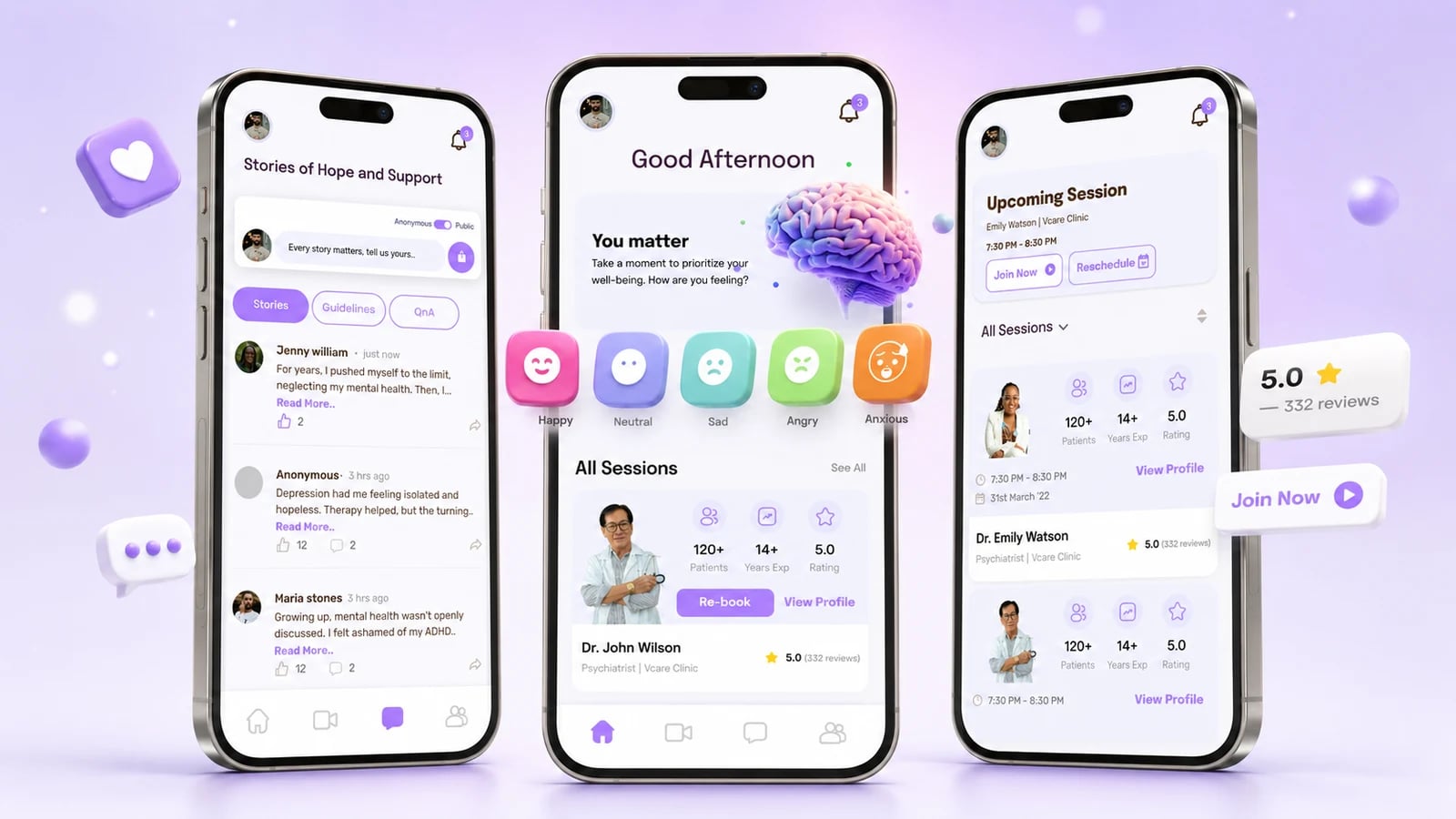
Video visits, encrypted patient to provider messaging, and search that matches a person to the right clinician instead of the first available one. This is the shape of Zant, which we built.
Practice-side tools with access control and a real audit trail
Role-based access enforced in the database, individual logins rather than a shared one, and a log of who opened which record that the people being logged cannot edit.
Program, course and community service platforms
Enrollment, cohorts, eligibility, case notes and outreach for universities, training programs and community organizations, where the same record often has to be readable by staff and by the person it is about.
Health and education products we have actually shipped
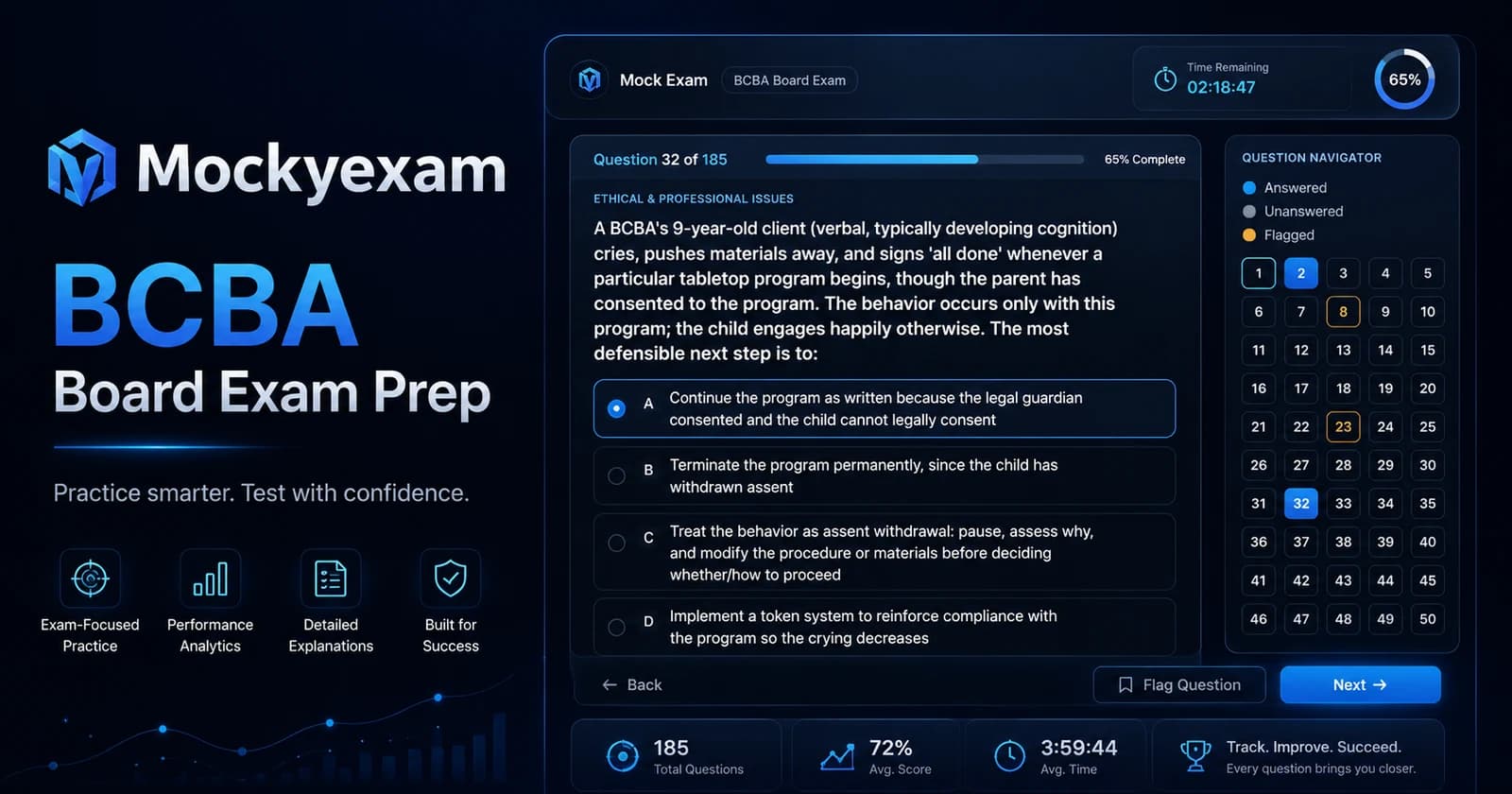
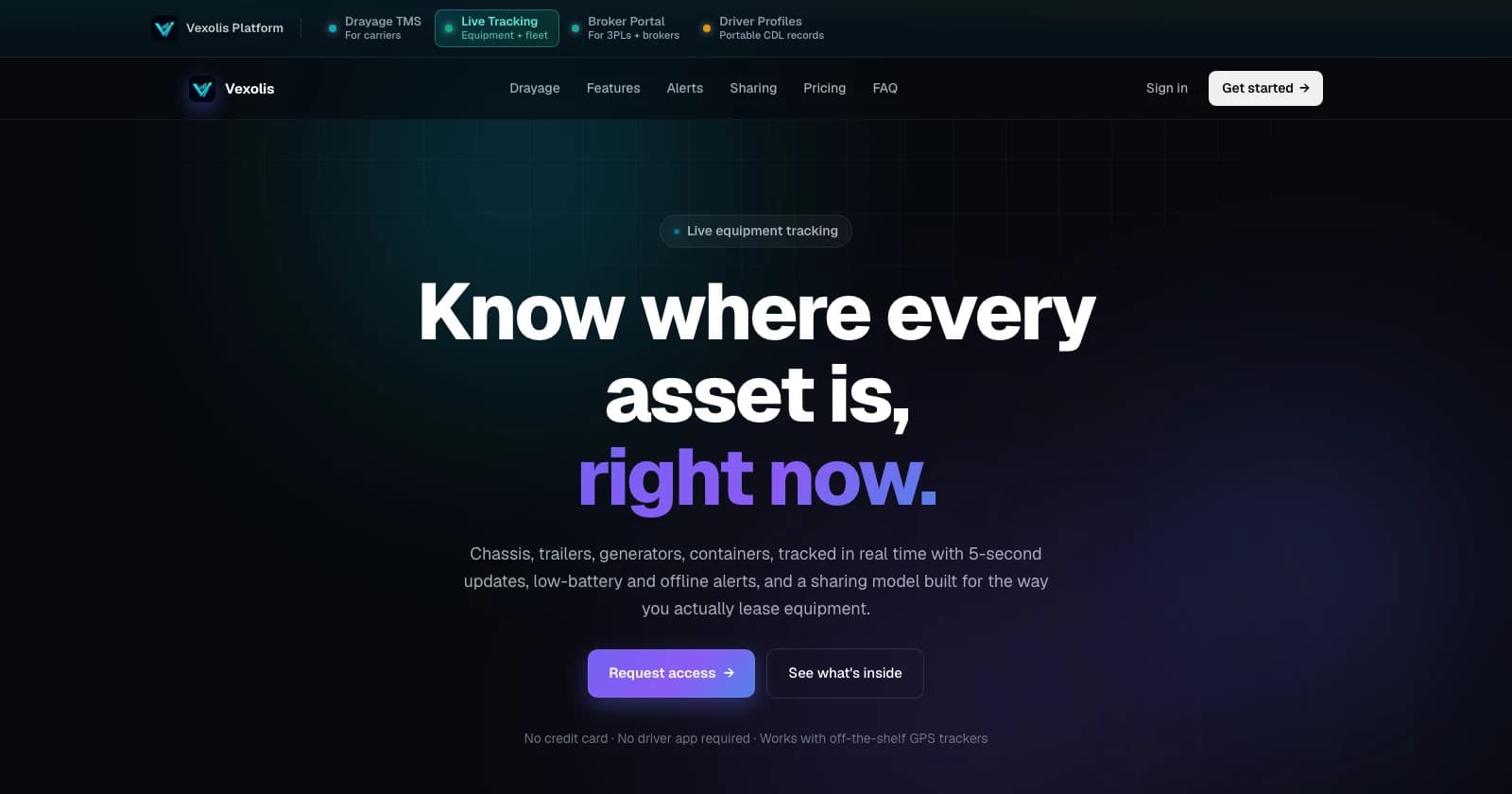
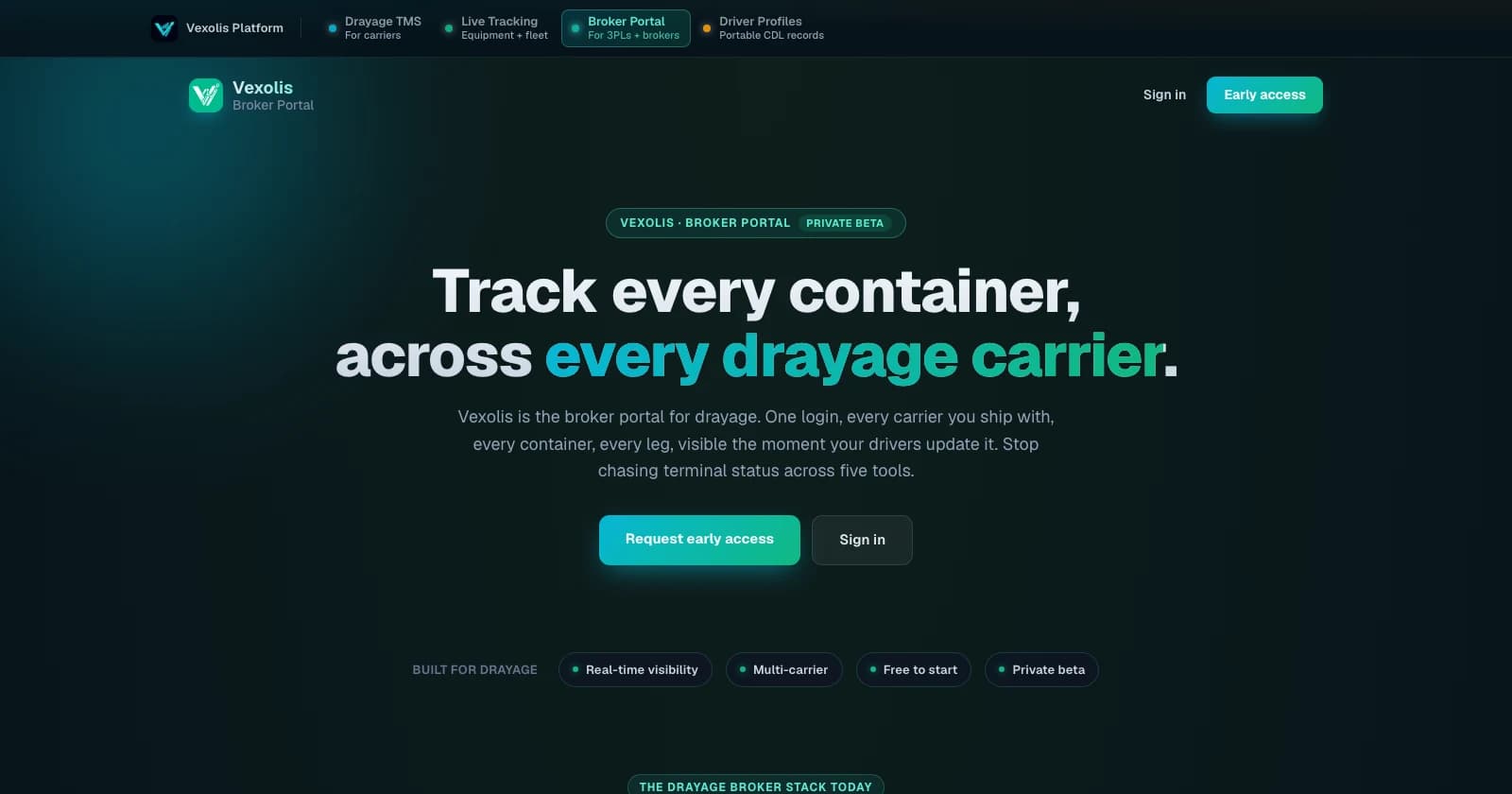
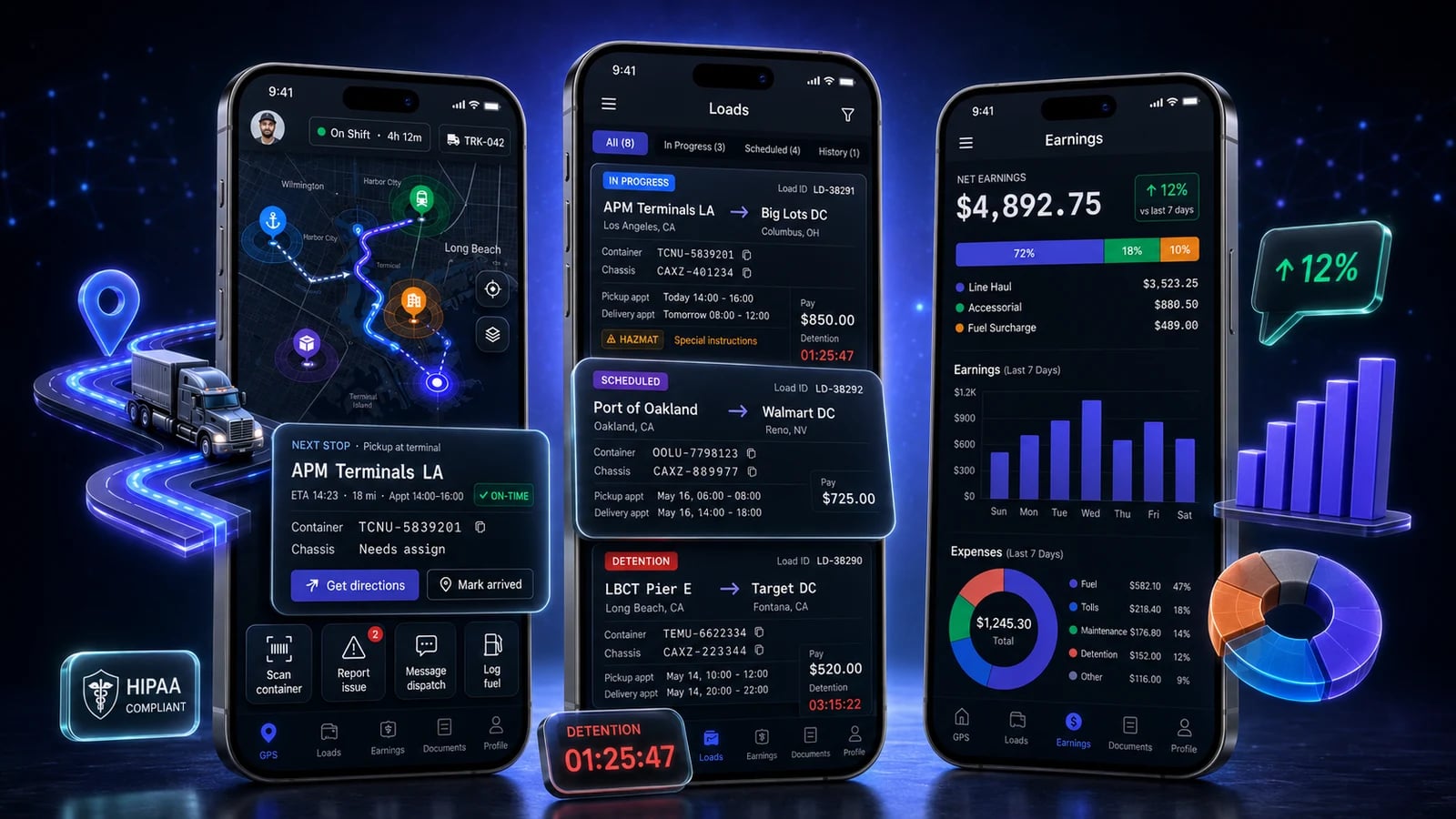
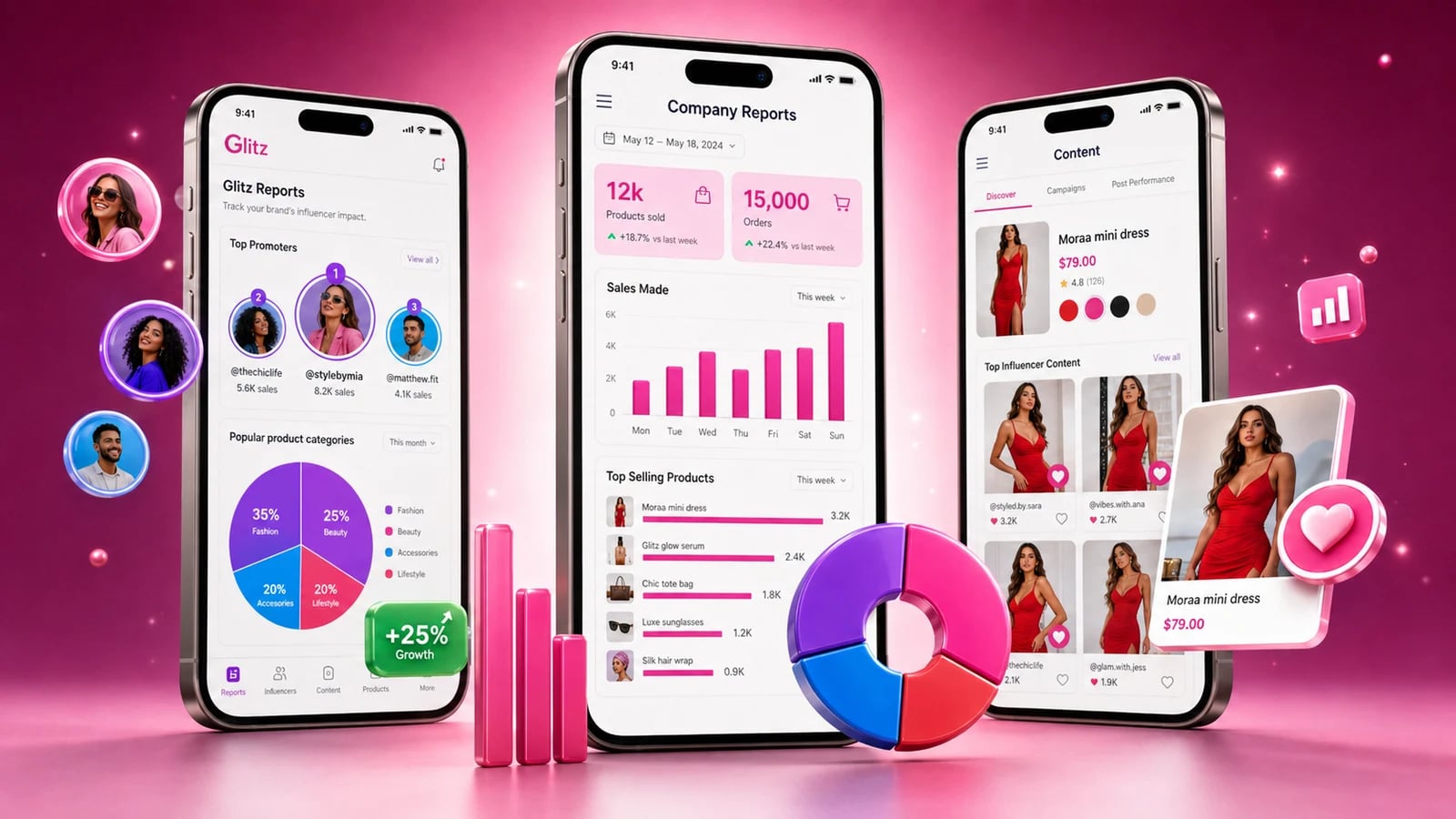
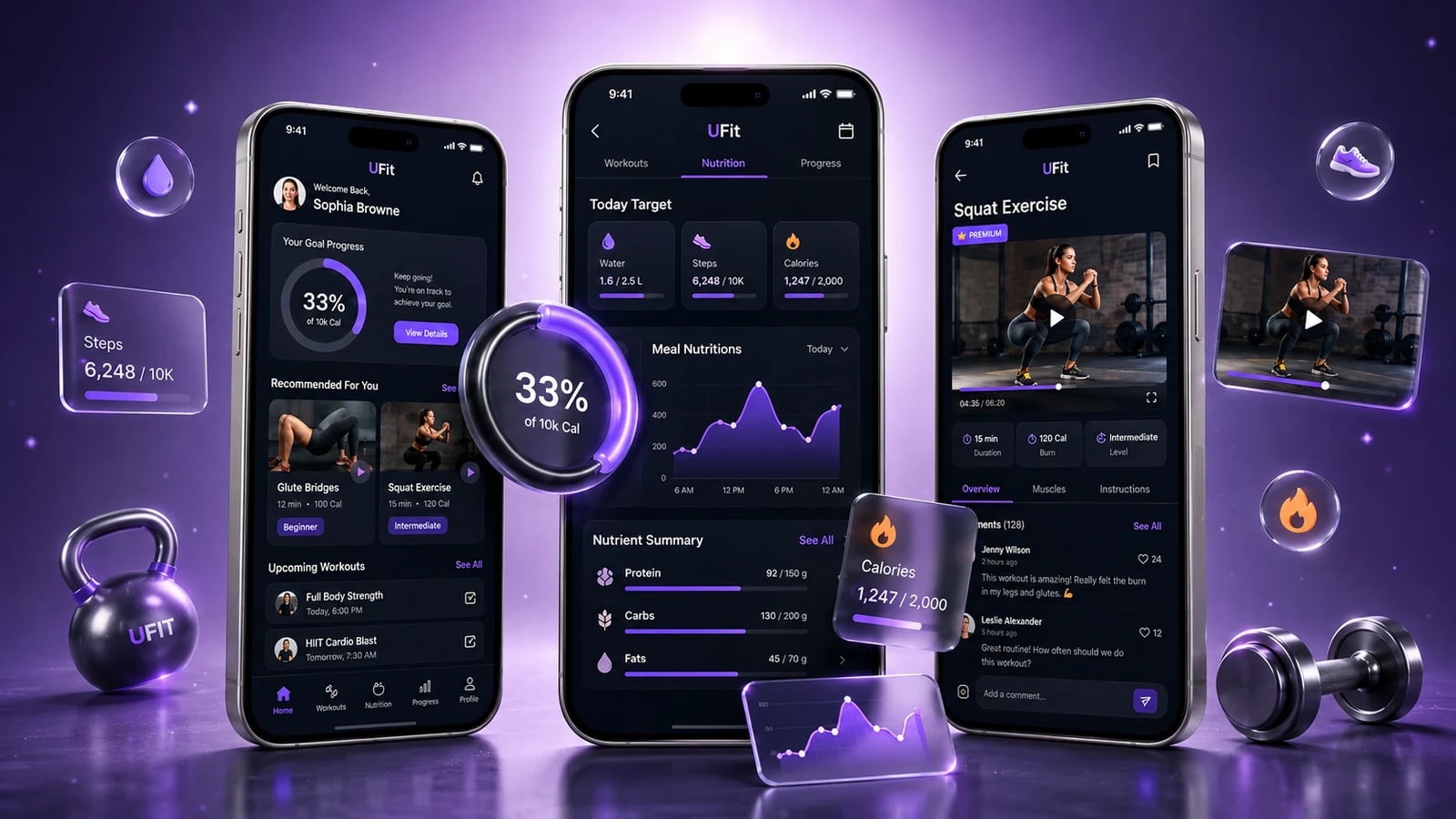
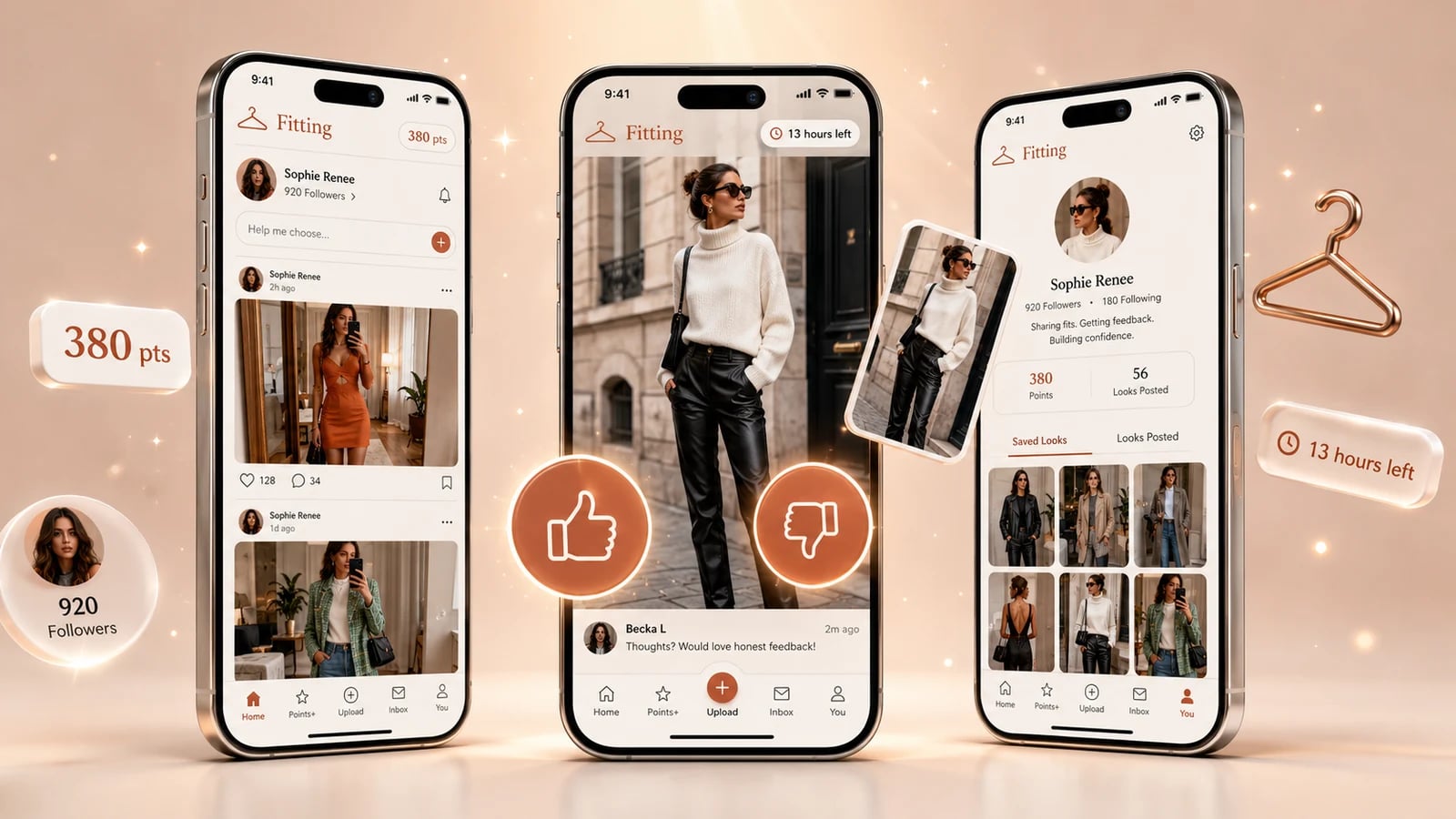
Two of these hold sensitive personal data by design, and two are education platforms. Where a store rating exists it is shown; where it does not, we have left the space empty rather than filled it with something.
Why North Miami practices and programs work with us
We do not ask for your production data
Testing runs on generated records that behave like the real thing and are not the real thing, on an environment that has never held a live patient. It is a small discipline that removes an entire category of incident, and it costs you nothing to ask every firm you are comparing whether they do it.
Language sits in the data model, and we cost it honestly
Every language a product supports has to reach the emails, the forms, the consent text and the support flow, not just the screens, and somebody has to keep it current for as long as the product lives. You will get that number before you decide, and sometimes our advice is to translate less and staff the phone better.
You own the code, the accounts and the data, and it exports
Source code is yours, apps are published under your own Apple and Google accounts with the signing keys handed over, and a clean export of your records is designed in rather than negotiated later. A practice that cannot get its own history out of a system is not really the owner of it.
Ways to begin
Nobody here should start by commissioning a platform. Start by writing down what data you actually hold and who currently touches it, because that conversation usually changes what gets built.
Free consultation
You know the problem, not the shape
A working session, in English or Spanish, on what you are trying to fix, what information the fix would end up holding, and whether software is even the right purchase. Whether or not you hire us, the written scope and the written estimate that come out of it are yours to keep.
Free, and nothing is owed after it.
A first version, price fixed at signing
One workflow, clearly defined
The smallest genuinely useful version of the thing, at a price that is fixed once the scope is signed, with access rules, logging and language decided at the start rather than added later. Delivered in milestones you can open and use along the way.
Where most of these relationships start.
A plain-language read of what you already run
You inherited a system and cannot judge it
We go through the software you own and write down, in language you can act on, where records live, who can reach them, what is logged, what is encrypted and where the process rather than the code is the weak point. This is an engineering read, not a compliance audit and not legal advice, and we will say so in the document itself.
Frequently the cheapest thing we do.
Looking for an internal business system, integrations between tools you already run, or a web platform your organization works in all day rather than a mobile app? That work lives on our software development in Miami page, and the mobile app development page covers iOS and Android specifically.


App development in North Miami. FAQ
Is Appluex located in North Miami?
No. Appluex is headquartered in Miami, Florida, and works across Miami-Dade including North Miami. We say it directly because a lot of what ranks for this search is a national firm generating one page per city in the country, sometimes with a rented mailbox attached to make the address look real. A service area is a normal thing for a company to have. An address that does not resolve to a place is not.
Is Appluex HIPAA certified?
No, and we would be careful with any vendor who says they are. There is no government HIPAA certification for a software company. The Department of Health and Human Services does not endorse or recognize one, so a certificate in this space is a private training course rather than an official status. What actually exists is a business associate agreement, which is a contract we sign with you setting out what we may do with the information, who else may see it, and what happens to every copy when the work ends. Judge a developer on the practices they can describe and put in writing, not on a badge on a website.
What actually counts as protected health information?
More than most people expect. It is not just diagnoses, prescriptions and results. It is any health information that can be tied back to an individual, which in practice means the identifiers travelling alongside it: name, address, phone number, email, dates connected to that person's care, account and record numbers, and in some cases the device or IP address the request came from. The consequence for a build is that a booking record is not neutral data. A phone number in a system whose only purpose is scheduling therapy sessions tells you something about that person, and the software has to treat it that way from the first table.
Our last developer asked for a copy of our live database to test with. Was that a problem?
In most industries it is routine. In yours it is the single most common way real patient records end up somewhere nobody is tracking, because that copy then lives on a laptop, in a backup, in a cloud account and often in a second developer's hands, and no log anywhere in your practice knows about any of it. The alternative is not difficult. You generate test data that has the same shape, the same edge cases and the same volume as production, and the environment your developers work in never holds a live record. If a firm tells you they cannot work without production data, what they mean is that they have not built the generator, and that is worth knowing before you sign.
What do encryption at rest and encryption in transit actually mean in a build?
In transit means everything moving between the app, the servers and any third party travels over TLS, with no plain path anywhere, including the internal calls people forget about and the nightly file transfer somebody set up years ago. At rest means the stored copy is encrypted too, so a database volume, a backup or a stray snapshot is not readable simply because someone got hold of the file. Neither of these is unusual or expensive in 2026, and neither of them helps at all if the keys are sitting in the same repository as the code, or if a valid login can read every record in the system. Encryption protects the copy somebody steals. Access rules and logging protect against the far more common case, which is a legitimate account looking at something it had no reason to open.
Can you build the app in Haitian Creole as well as English and Spanish?
We can build a product that supports Haitian Creole, and we want to be straight about our own limits first: this website ships in English and Spanish only. There is no Creole version of the page you are reading, and we are not going to imply otherwise on a page about North Miami of all places. Inside a product it is a different question, and the answer is yes if the language is carried in the data model from the start, so the reminder, the intake form, the consent text and the emails all follow the patient's choice rather than only the screens doing so. The part that needs a real decision is the translation itself, which for clinical or consent wording has to come from a qualified human and then be maintained for as long as the product exists.
How do we decide whether a third language is worth it?
Start with which screens carry consequences. A marketing page in a language somebody does not read costs you a visitor. A consent form, an intake question about medication, a dosage instruction or a cancellation policy in a language somebody does not read costs you something else entirely. So count those screens first, count how many of the people you serve actually need them, and then price the ongoing maintenance rather than only the first translation, because the second one is the cost that surprises people. Often the answer that comes out of that exercise is not a full third locale. It is translating the handful of screens that matter, professionally, and making sure a person who speaks the language answers the phone. We would rather hand you that answer than sell you a locale you will not keep current.
Who owns the data, and can we get it out later?
You own it, and yes, because export is designed in rather than bolted on when you want to leave. Ask for that in writing from anyone you are considering, and ask specifically what format it comes out in and whether it includes everything, because a system that exports a summary rather than your records is not an exit. This matters more in healthcare than in most fields: your obligations to keep and produce records do not end because you changed software, so the ability to walk out with a complete, readable copy of your own history is a requirement rather than a preference.
We are a small practice. Do we need a custom app at all?
Often not, and you will hear that from us before any money moves. A large share of the practices and community organizations that call us are better served by configuring the system they already pay for, adding an online booking flow to a fast bilingual website, or fixing the two workflows that everyone works around. Custom software earns its cost when the way you work is genuinely specific, when an off the shelf product would force you to change your process rather than support it, or when you need something that connects several tools nobody sells together. If none of that describes you, a custom build is an expensive way to buy something simpler, and we will say so in the free consultation.
Guides from our team














Let's build something worth shipping
Tell us about your idea. With a track record of success and a commitment to client satisfaction, we'll help bring your product to life.