Mobile app development done right
We design, build, launch, and grow iOS & Android apps that people love to use. Native or cross-platform, from a first MVP to a product at scale. Handled end to end by one dedicated team.
Native or cross-platform, decided on your product and not our preference
Agencies tend to recommend whatever they staff for. A shop full of Flutter engineers finds a Flutter answer, and a native shop finds a native one. We build in all of them, which removes the incentive to steer you, so here is the actual rule we apply. Cross-platform with Flutter or React Native is the right default for most products: one codebase reaching both stores, roughly comparable quality for standard interfaces, and meaningfully less to maintain forever. Native Swift and Kotlin earn their extra cost when the product depends on sustained camera or sensor access, heavy on-device processing, tight integration with platform features like widgets and watch apps, or animation work where the last ten percent of smoothness is the product itself.
The part founders underestimate is what happens after launch, because mobile is different from web here in a way that catches people out. A web app you stop touching keeps working. A mobile app you stop touching breaks. Apple and Google ship major OS versions every year, deprecate APIs, change permission rules, and periodically raise the minimum SDK you must target to stay in the store at all. An unmaintained app degrades quietly, then one day fails review on a routine update and cannot be shipped without weeks of catch-up work. Budgeting for maintenance is not upselling, it is the actual cost of being in an app store.
Store review is the other thing worth planning for rather than discovering. Rejections are routine and mostly avoidable, and they cluster in predictable places: account deletion requirements, subscriptions that do not use the platform's own billing where they must, privacy labels that do not match what the app actually collects, permission prompts without a clear justification string, and sign-in options that omit a required alternative. We build against those rules from the start and handle the submission, which is why our launches usually clear review on the first attempt rather than losing a fortnight to it.
A web app you stop maintaining keeps working. A mobile app you stop maintaining eventually stops being shippable at all.
A web app you stop maintaining keeps working. A mobile app you stop maintaining stands still while the requirement rises past it, then fails review on a routine update.
From idea to a published app
Strategy, design, engineering, and launch under one roof. So your app reaches the store fast and keeps getting better.
Native iOS & Android
Hand-built in Swift and Kotlin for smooth animations, fast cold starts, and full access to every device capability.
Cross-platform apps
A single Flutter or React Native codebase that ships to both stores at once. Quicker releases, lower maintenance.
App Store & Play launch
We handle store listings, ASO, screenshots, the review process, and staged rollouts so going live is stress-free.
Backend, APIs & realtime
Secure APIs, push notifications, offline sync, and authentication wired into a backend built to grow with your users.
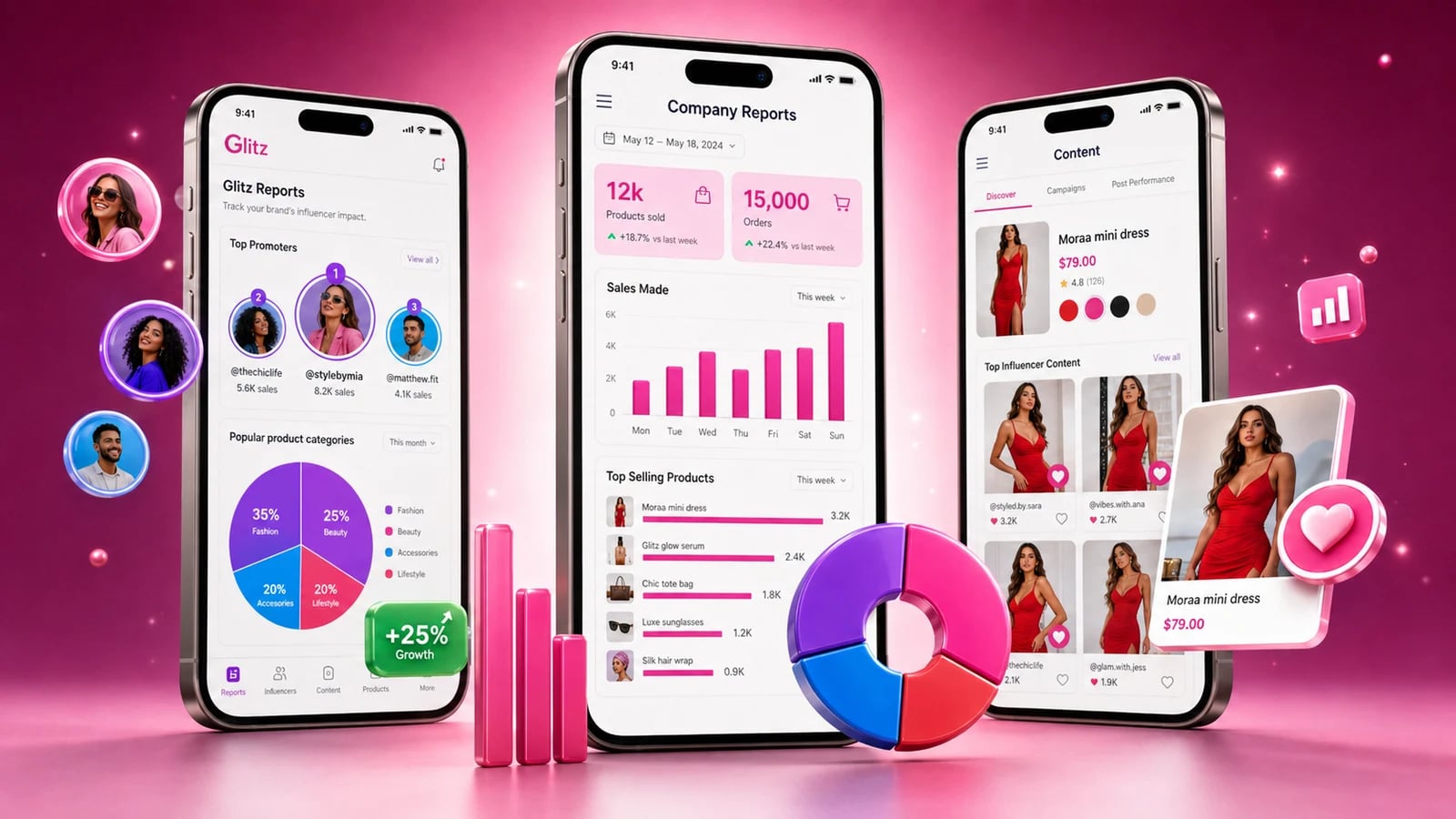
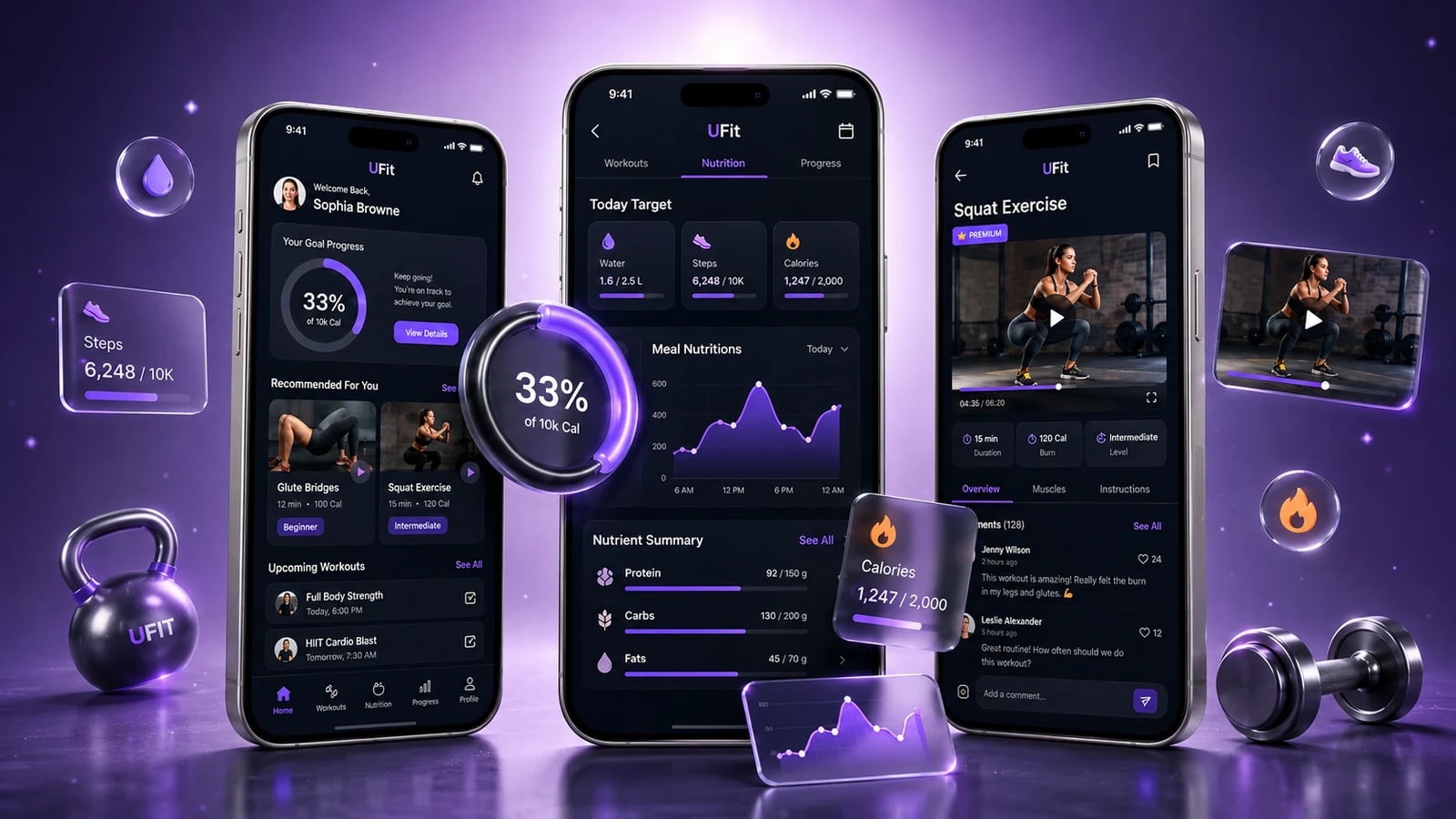
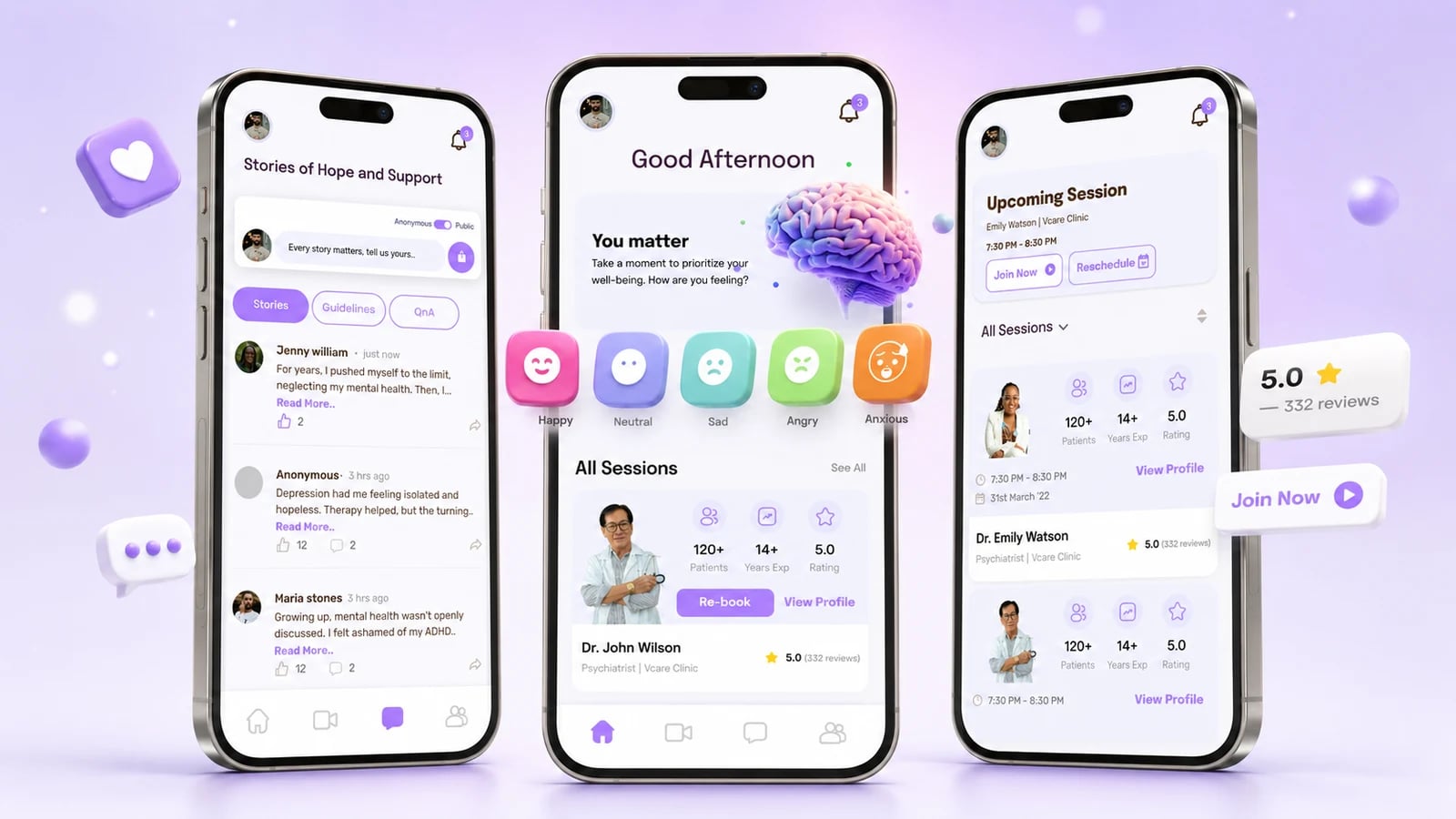
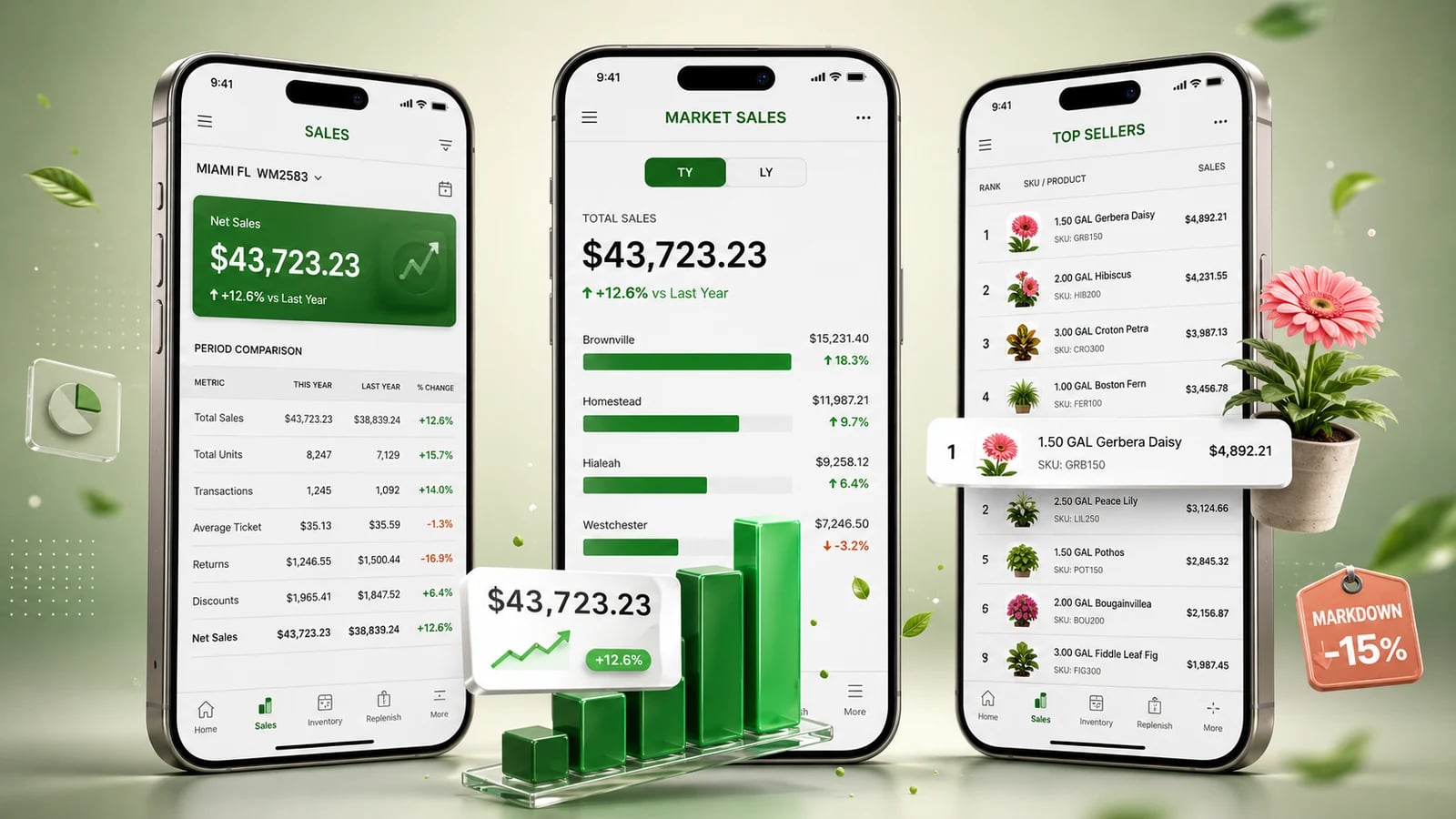
Mobile products we have shipped
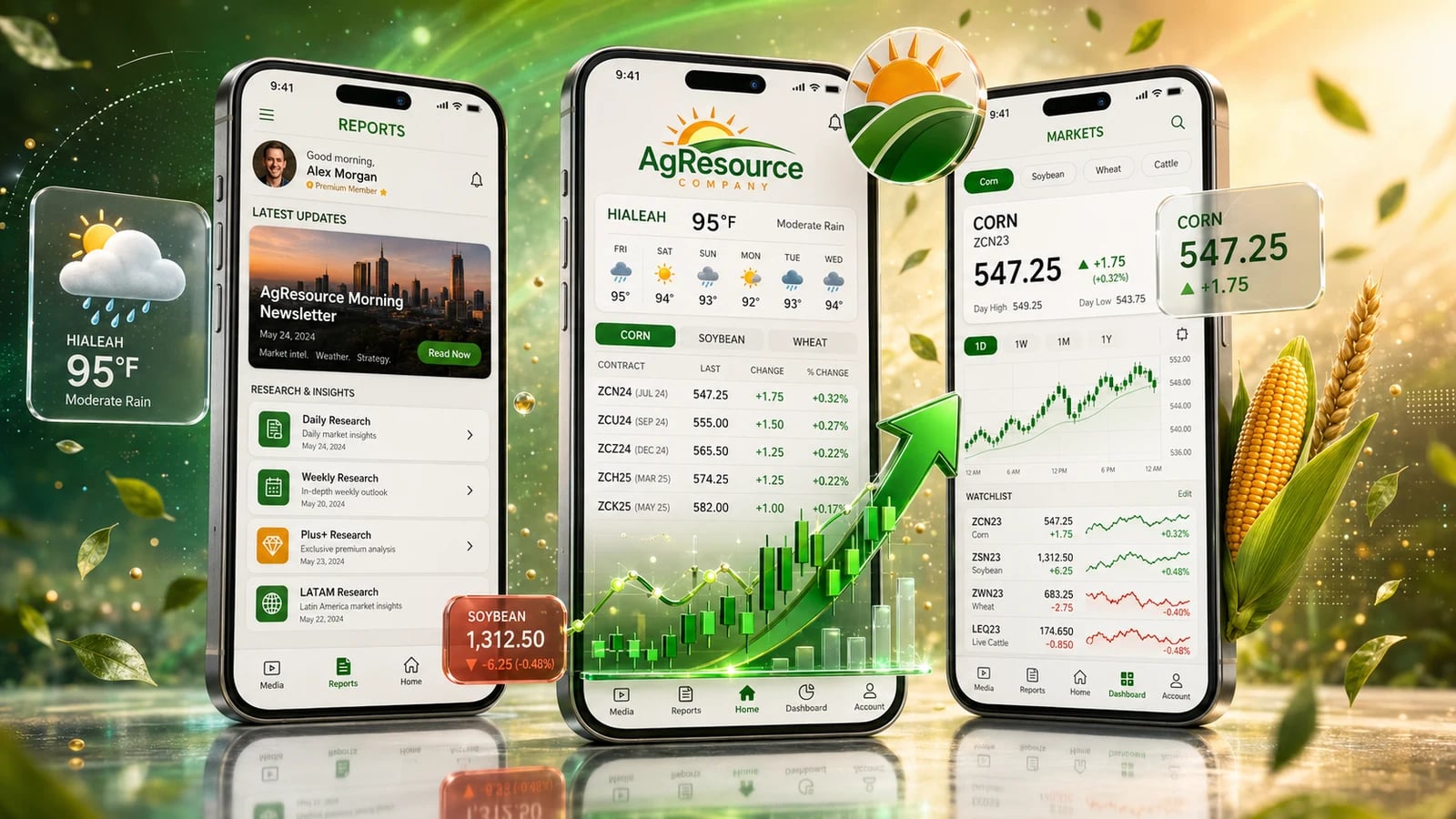
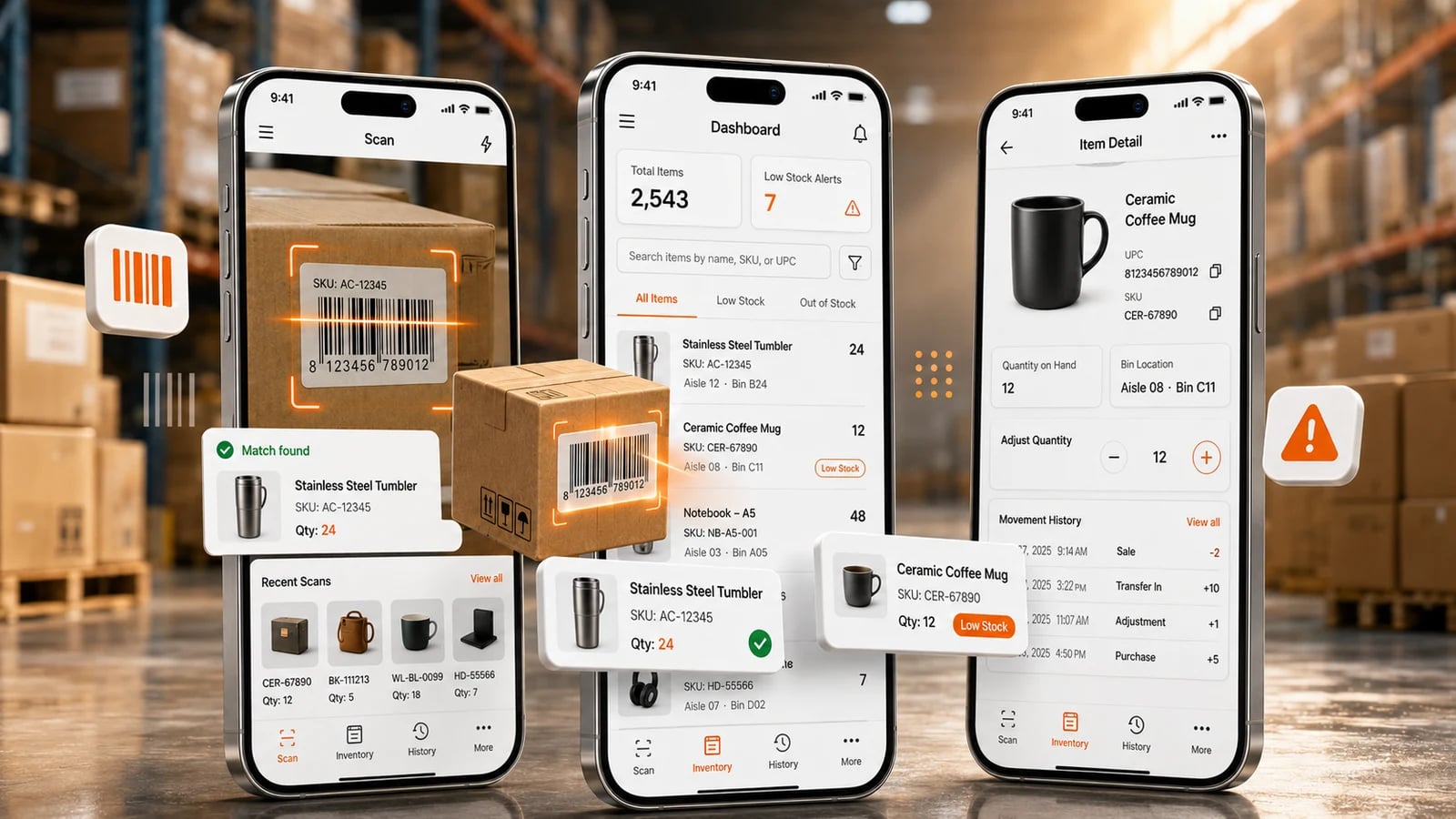
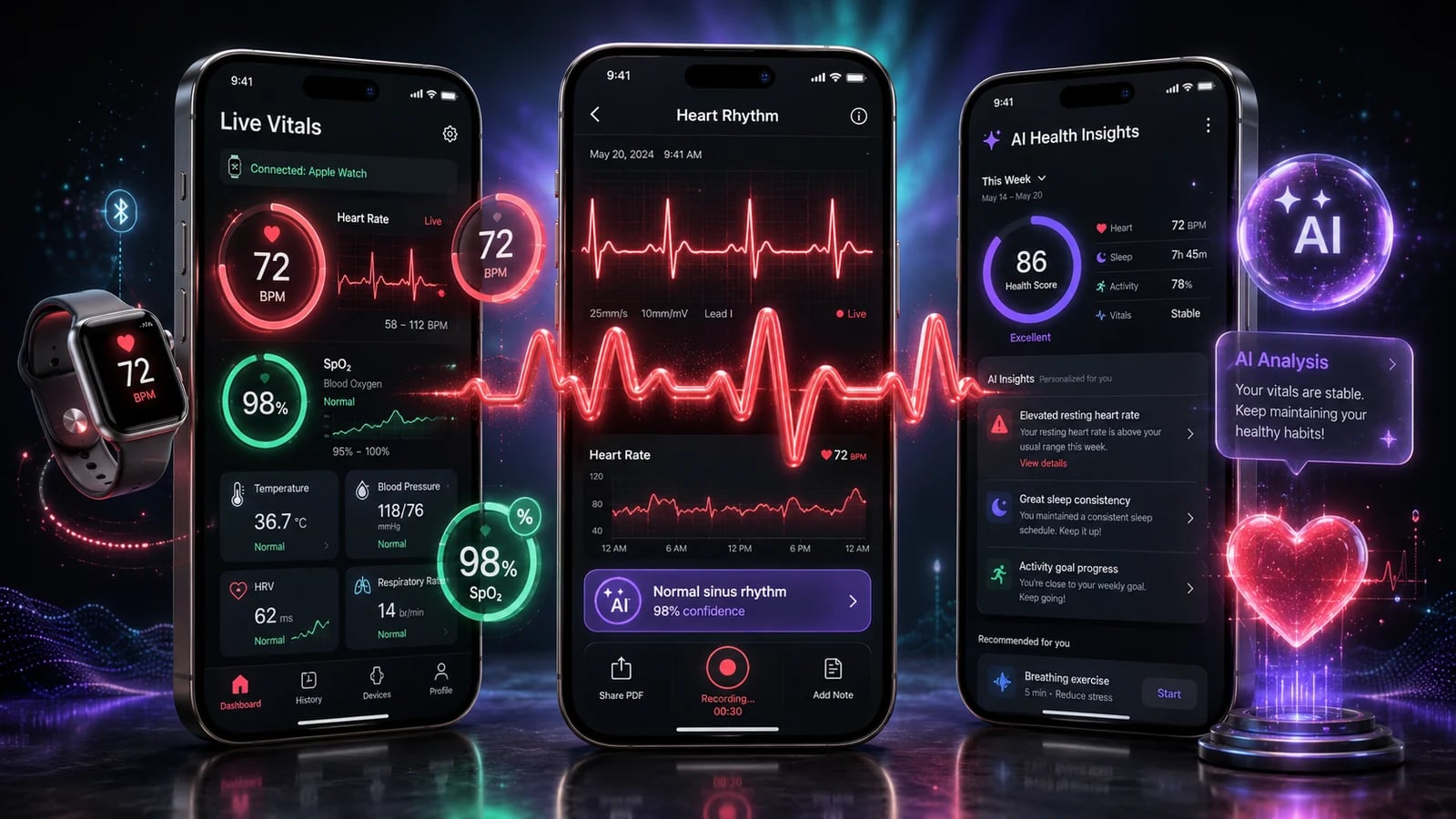
Live apps with public store ratings, so you can check the numbers below rather than take our word for them.
What you get on a mobile build
Native-quality performance
Apps that feel instant. Fluid gestures, tight load times, and interfaces your users will actually want to open every day.
One team, end to end
Product strategy, UX design, mobile engineering, and backend all live under one roof, so nothing gets lost between vendors.
We stay on after launch
Shipping is the start, not the finish. We monitor crashes, push OS updates, and roll out new features release after release.
How the work runs, week by week
Milestone-based, with a build you can install on your own phone early and often.
Free consultation and platform call
We scope the product and give a direct recommendation on native versus cross-platform, based on what your app actually does rather than what we prefer to staff.
Design and prototype
Wireframes into a clickable prototype you can tap through before engineering starts. Changing a screen here costs minutes; changing it after it is built costs days.
Build with installable milestones
Every cycle produces a build you can install on your own device through TestFlight or an internal track. You judge the real thing on real hardware, not a video.
Store submission
Listings, screenshots, privacy labels, and review submission. We build against the common rejection reasons throughout, so review is usually a formality rather than an event.
Post-launch and OS upkeep
Crash monitoring, staged rollouts, and the annual work of keeping the app compatible as iOS and Android ship new versions and raise their minimum requirements.
What a mobile engagement delivers
Everything required to be live in both stores and to stay there.
The app
- iOS and Android builds, native or cross-platform
- UI and UX design, including every empty and error state
- Offline behavior where your users need it
- Push notifications and deep linking
- Analytics and crash reporting wired in from day one
- Accessibility support on both platforms
The backend
- APIs built for mobile, not a web backend bolted on
- Authentication, including the sign-in options stores require
- Sync and conflict handling for offline-capable features
- In-app purchases or subscriptions where the model needs them
- Secure storage for anything sensitive on device
- Staged rollout support so a bad release can be halted
Store readiness
- App Store and Play Console setup under your own accounts
- Store listing copy, screenshots, and app store optimization
- Privacy labels that match what the app actually collects
- Review submission handled, including responses to rejections
- Signing keys and credentials handed to you
- Source code in a repository under your account from day one


Mobile app development. FAQ
Native or cross-platform. Which is right for my app?
If you need maximum performance or deep hardware features, native Swift/Kotlin wins. If speed to market and a tighter budget matter more, Flutter or React Native covers both platforms from one codebase. We recommend the fit during your free consultation.
How much does it cost to build a mobile app?
Cost depends on platforms, feature complexity, and integrations. After a free scoping conversation we send a written, itemized estimate. Once the scope is agreed and signed, the price for that scope is fixed, and anything added later is quoted separately before any work on it starts.
How long does it take to build an app?
A focused MVP typically takes 8 to 16 weeks from a signed scope, depending on features, integrations and how quickly feedback comes back. Richer products with backends and integrations take longer. We work in weekly milestones so you always see a running build, not just slides.
Do you publish to the App Store and Play Store for us?
Yes. We manage developer accounts, store listings, app store optimization, the Apple and Google review process, and phased releases. Then hand you the keys if you want full ownership.
What about maintenance and updates after launch?
Most clients stay with us long-term. We monitor performance and crashes, keep apps compatible with new iOS and Android versions, and ship new features on an ongoing roadmap.
What happens if Apple or Google rejects our app?
It is a normal part of shipping and we handle it. Rejections cluster in predictable places: missing account deletion, subscriptions not using the platform's own billing where required, privacy labels that do not match actual data collection, permission prompts without a clear justification, and missing required sign-in options. We build against those rules from the start, and when a rejection does arrive we write the response and resubmit as part of the engagement rather than as extra work.
Why does a mobile app need ongoing maintenance when our website does not?
Because the platforms move underneath it. Apple and Google ship major OS versions annually, deprecate APIs, change permission behavior, and periodically raise the minimum SDK version required to submit at all. An app left untouched degrades quietly and then fails review on a routine update, at which point you are paying for weeks of catch-up before you can ship anything. Ongoing maintenance is the genuine cost of being in an app store rather than an optional add-on.
Do we own the developer accounts and signing keys?
Yes, and we set it up that way deliberately. Apps are published under your own Apple Developer and Google Play accounts, and the signing keys and credentials are yours. This matters more than it sounds: an app published under an agency's account is genuinely difficult to move, and we do not want your ability to leave to depend on our cooperation.
Can you take over an existing app someone else built?
Often yes, starting with a paid technical assessment of the codebase, dependencies, and store status. Sometimes the honest answer is that the existing code is sound and just needs maintenance; sometimes it is that the app targets a deprecated SDK and the cost of resurrecting it approaches a rebuild. You get that answer as a written assessment either way, before committing to anything.
Other ways we can help
Guides from our team














Let's build something worth shipping
Tell us about your idea. With a track record of success and a commitment to client satisfaction, we'll help bring your product to life.