App developers in Coral Gables
Appluex builds mobile and web software from Miami, for clients throughout Miami-Dade. Most firms in the Gables are custodians of information that belongs to somebody else. That changes what hiring a developer means, and it is the part of the conversation most proposals skip.
Your duty to your clients does not transfer to the firm you hire
Coral Gables is a city of roughly 50,000 residents with a working population far larger than that. The city's own profile counts more than 140 multinational corporations and over 20 consulates and foreign government offices inside its borders, a good share of them running Latin America from an office on Ponce or Alhambra. The University of Miami's main campus sits here and is the city's largest employer. What fills the buildings in between is professional services: law, accounting and audit, international and private banking, real estate brokerage and development, management consulting, and the administrative side of medicine. Different professions, one shared condition. Almost every one of these businesses spends its day holding information that belongs to a client, a patient, a counterparty or a regulator.
That condition is what makes buying software here different from buying it anywhere else, and it is rarely in the proposal. If you are a Florida lawyer, Rule 4-1.6(e) obliges you to make reasonable efforts to prevent unauthorized access to or inadvertent disclosure of information relating to a representation, and the rule's own commentary treats hiring an outside service, a document management company, a cloud storage provider, a generative AI tool, as precisely the situation it is talking about. If you are a CPA firm, the AICPA's interpretation on third-party service providers says that before confidential client information reaches that provider you either have a confidentiality agreement in place with it or you tell the client a provider may be used and get consent. If you handle protected health information, a business associate agreement is not optional paperwork. In all three cases the obligation stays with you. A developer cannot absorb it, and a developer who has never encountered it has told you something useful for free.
The most common place this goes wrong is not dramatic. It is a sentence in a kickoff meeting: we will use a copy of production for testing. It sounds efficient. What it actually means is that real client names, real balances, real matter numbers and real medical notes leave your control and start multiplying. They land in a staging database with a weaker password than the real one. They get attached to a bug ticket so somebody can reproduce the problem. They show up in a screenshot pasted into a chat thread. They get pulled onto a laptop for an afternoon of debugging. And then the project ends, and none of that is deleted, because nobody was ever assigned to delete it. Three years later there is still a copy of your 2026 client list in a cloud account nobody has logged into since. The better answer is unglamorous and it is not much slower: generated test data, or a masked extract produced by a script your firm can read and rerun, plus a written list of every person with access and the date that access ends.
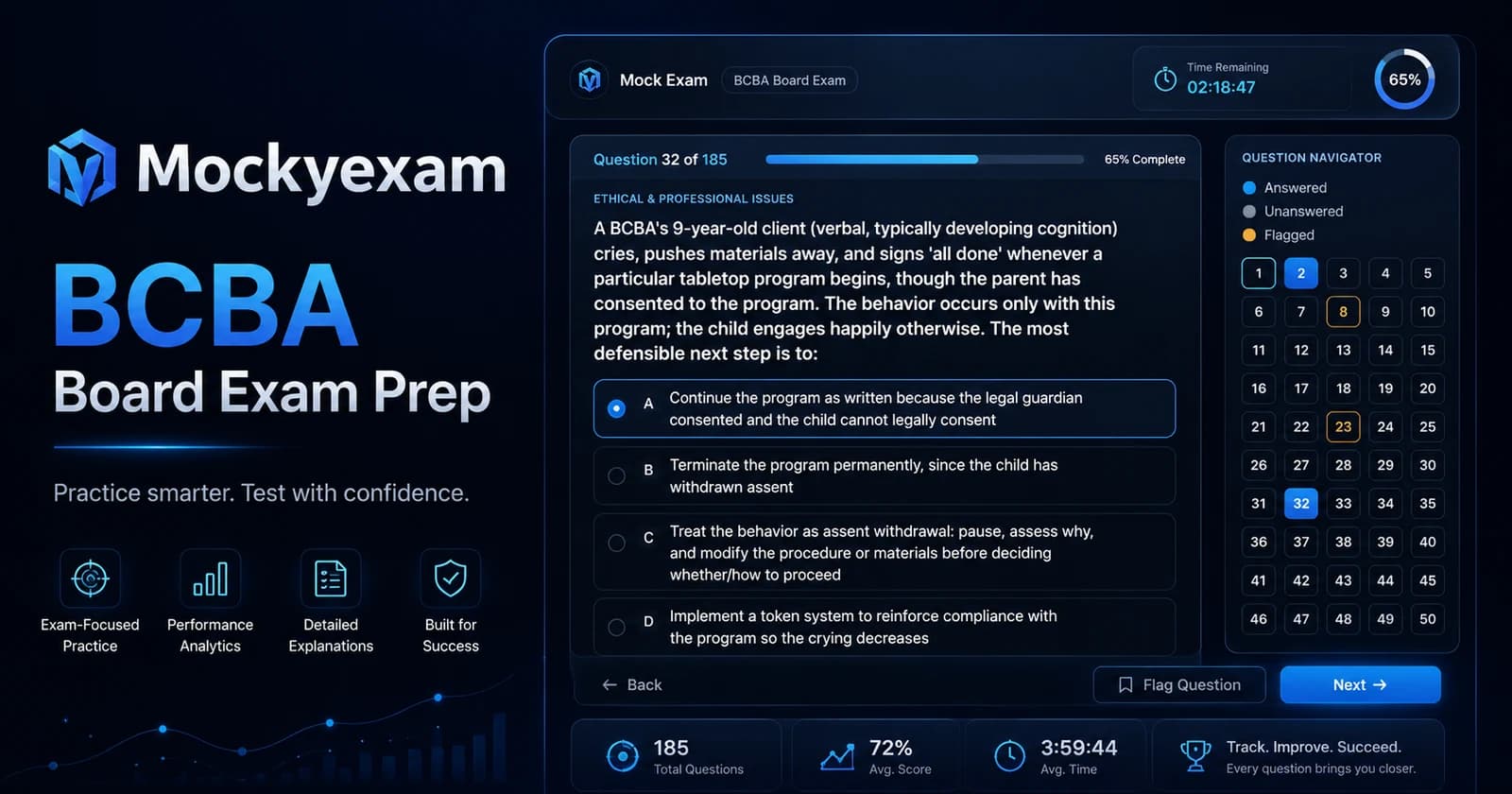
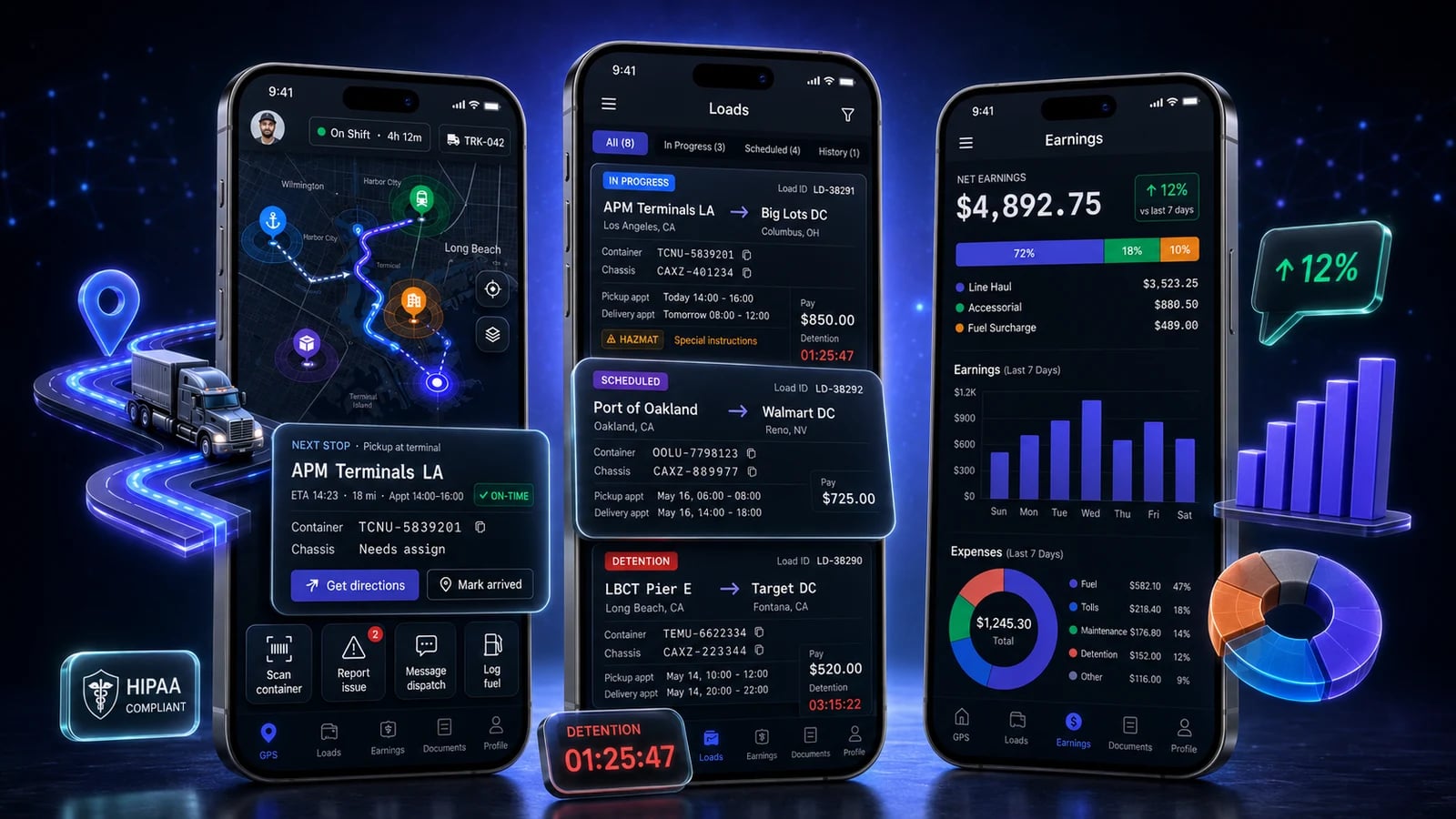
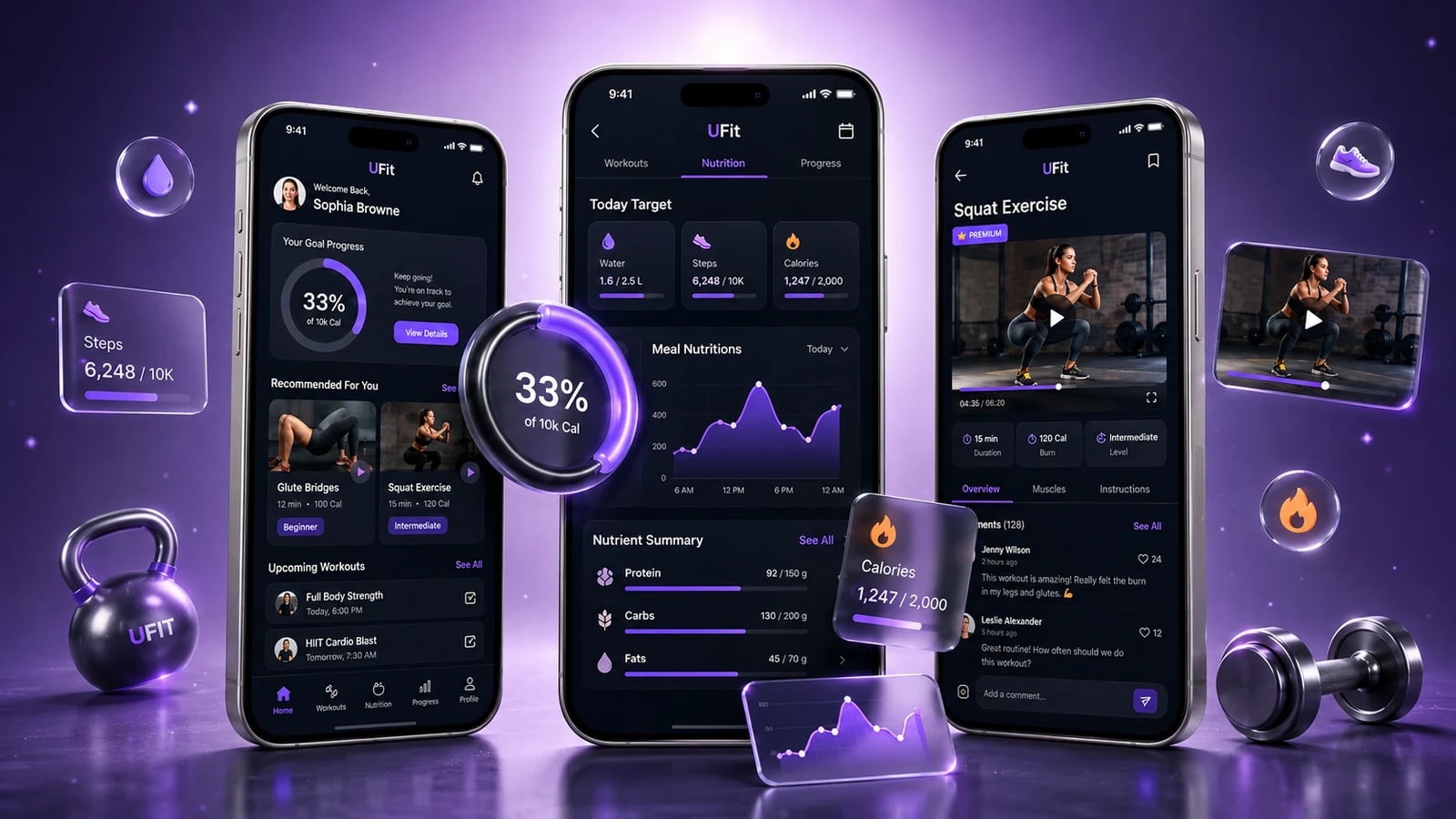
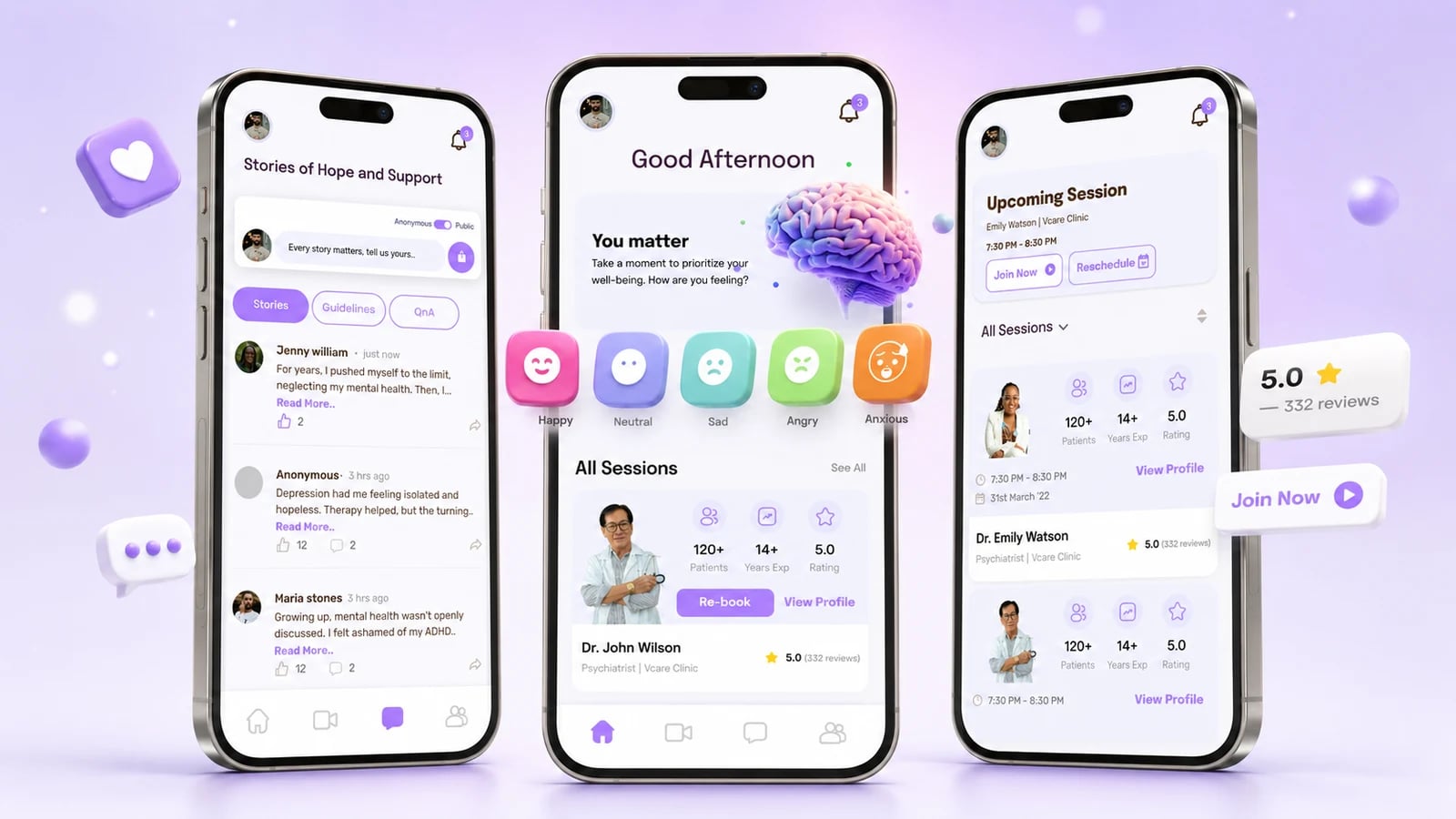
The other half is what you are left holding when the engagement is over. Who owns the source code, and from what moment. Whose name is on the cloud account, the domain, the Apple and Google developer accounts, the database. Whether your team logs in under individual named accounts or shares one password that half a dozen people know. Whether anyone will actually revoke the developer's access at handover, or whether it just quietly stays live because revoking it was nobody's task. Ask about all of it before you sign, in writing, because the answers are cheap to give at that stage and expensive to change later. The work we would point at for this is SuperfastCPA, an exam prep app for CPA candidates that has been in the stores for years, and Zant, where sensitive personal information was a design constraint from the first architecture conversation rather than a compliance review at the end.
Nobody is ever assigned to delete the staging copy. That is why a database made for a two week test is still sitting in a cloud account three years later.
Worth confirming in writing with every vendor you compare. Assignment on final payment is more common than it should be, and it quietly shapes every conversation until then.
What Coral Gables firms ask us to build
Rarely a consumer launch. Usually a process the firm already performs by hand, moved into something the partners can see, audit and hand to a new hire without a week of shadowing.
Client and counterparty portals
A place your clients see their own matter, file, statement or case and nothing else, with a permission model designed before the screens rather than patched on once somebody sees the wrong record.
Internal systems that replace a spreadsheet and a mailbox
Intake, conflicts, approvals, deadlines, billing prep and reporting, built around how your firm actually works instead of forcing the firm into a product built for someone else's.
Document handling, from intake to retention
Collecting, routing, signing and storing documents with a retention and deletion schedule that is enforced by the system rather than remembered by a person.
A confidentiality and access review of what you already run
A written read of the software your firm depends on: who can see what, which accounts are shared, which former vendors still have credentials, and what would need to change.
Software built for regulated and professional work
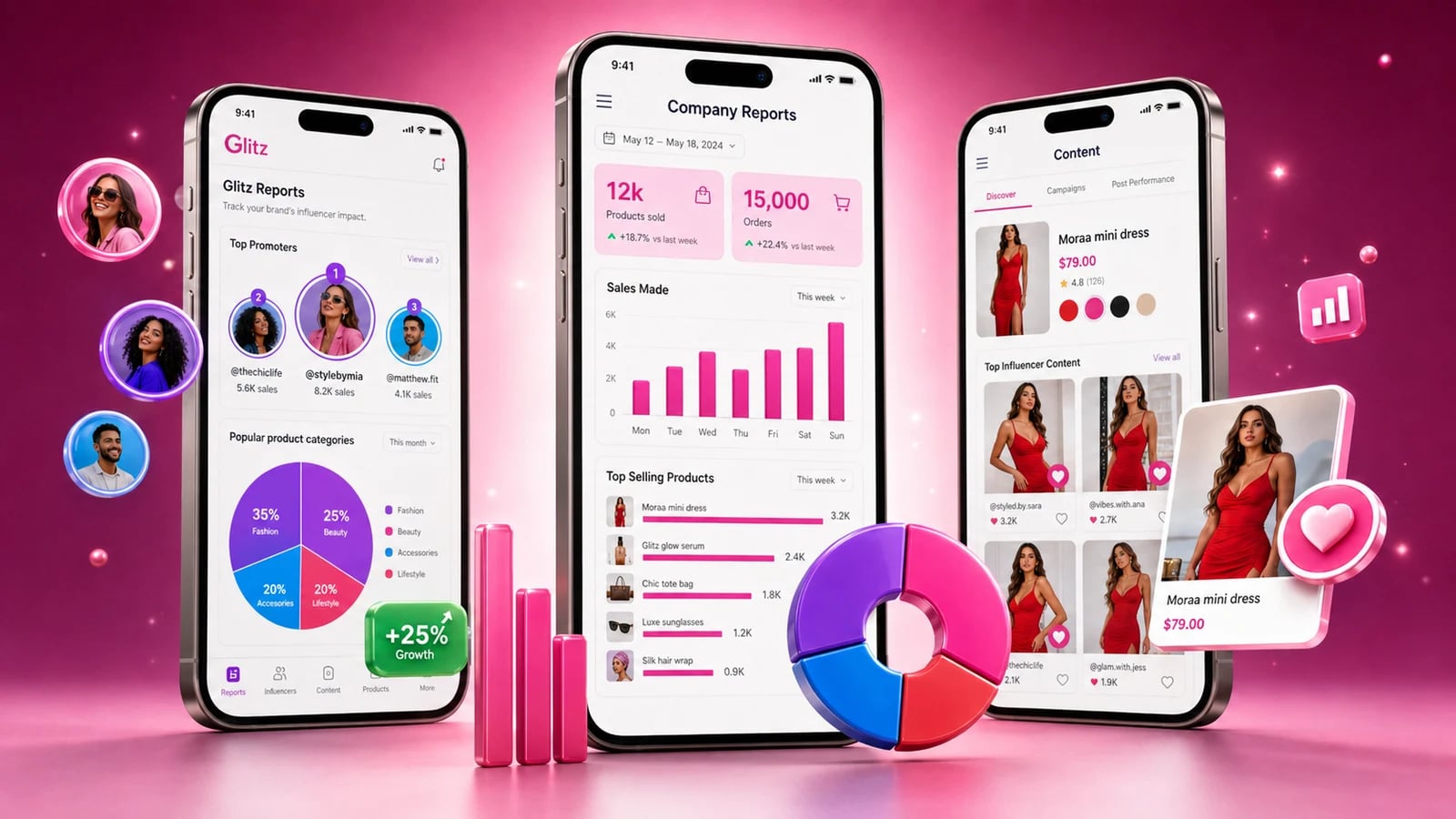
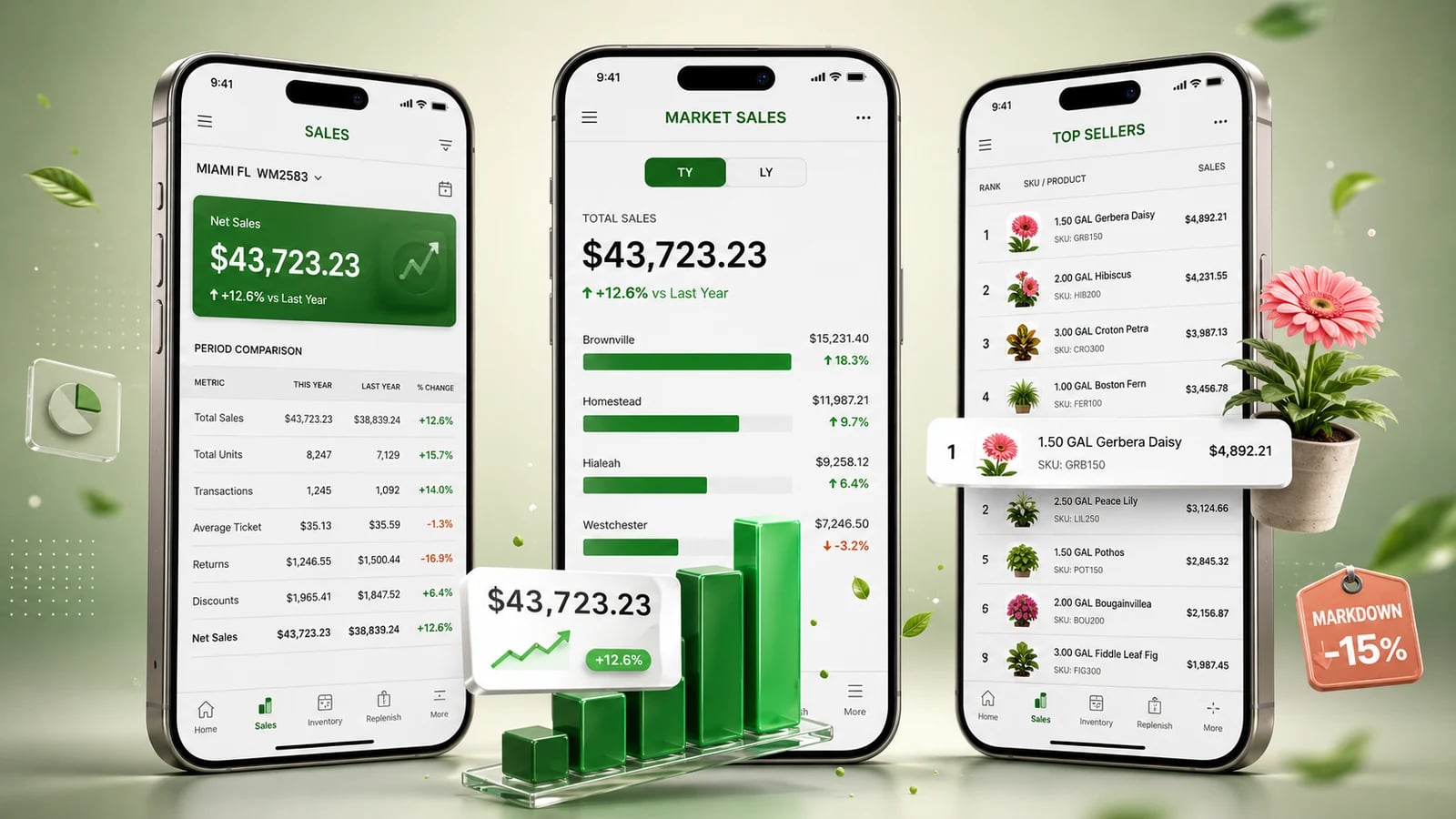
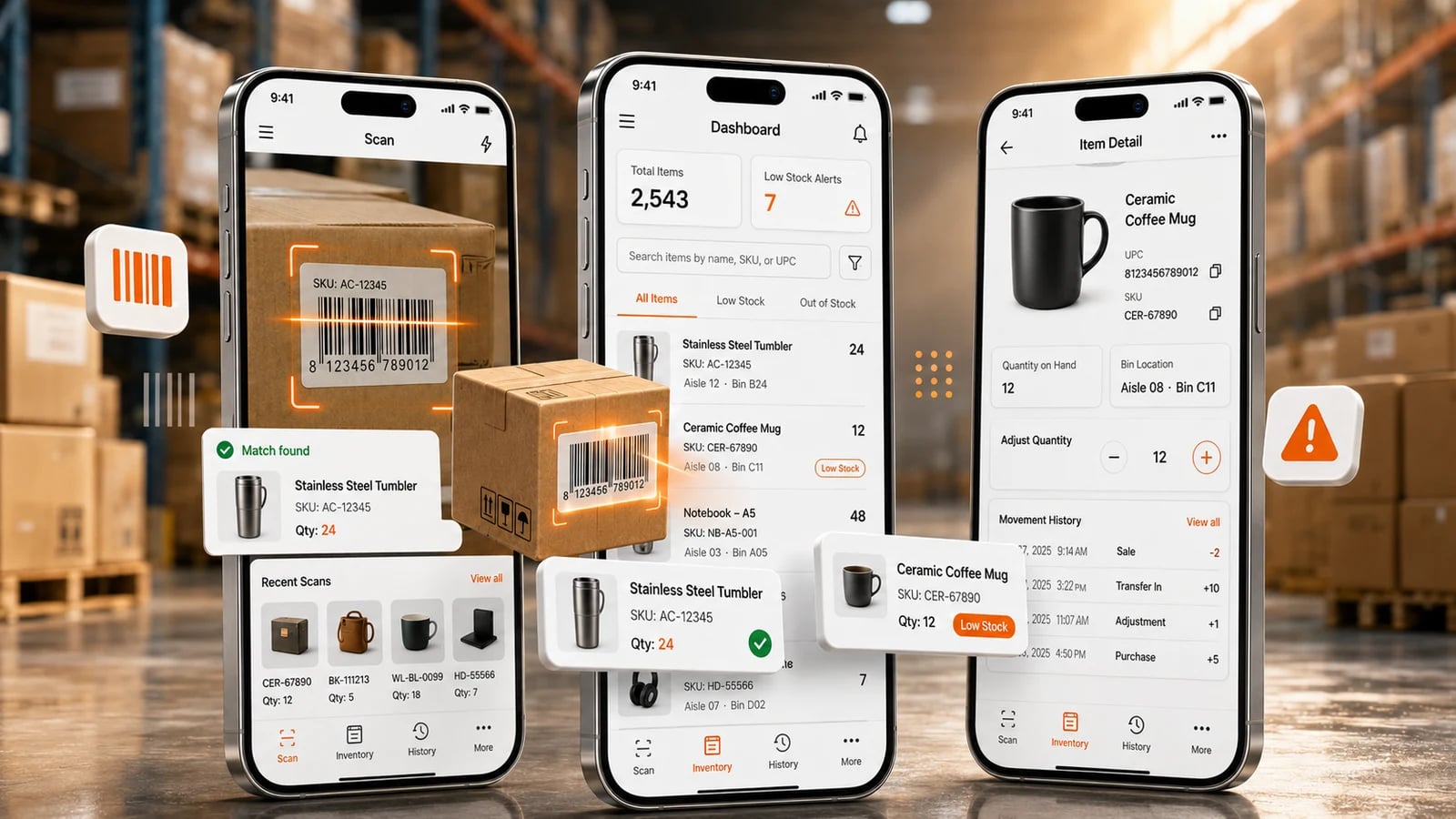
Two of these are in the app stores now with public ratings. One is our own product, which we say here rather than letting it read as client work.
Why Coral Gables firms work with us
Accounts in your name from day one, ownership as each milestone is paid
The repository, cloud infrastructure, domains and store accounts are in your name from the beginning, and ownership of the custom code and designs passes to you milestone by milestone, as each one is paid. It is worth confirming in writing with everyone you compare.
We do not test on your clients' information
Test data is generated, or masked by a script you can read and run yourself. If a specific bug genuinely requires real records, that is a decision you make deliberately, in writing, with a named list of who touched it and a date the copy is destroyed.
Access is named, listed and it ends
No shared logins, no permanent credentials, and an offboarding step that is part of delivery rather than a favour you have to chase. At handover you get a list of every account, key and permission that existed, and confirmation of what was revoked.
Ways to begin
Most firms here start small on purpose. A partner who has never bought software before is not being cautious for no reason, and a first project that fits in a quarter tells you far more than a proposal does.
Free consultation
You are still deciding whether to build
A working session, in English or Spanish, at your office or ours, on the process you want to change, what data it touches and whether custom software is even the right purchase. You leave with a written scope, a written estimate and a plain answer about the data handling, whether or not you hire us.
No cost and no obligation.
One process, price fixed at signing
You know which process is costing you
The single workflow that eats the most partner and paralegal time, built and put into production at a price that is fixed once the scope is signed, with the confidentiality arrangements settled in the contract before any of your data moves.
The usual first project for a firm.
A review of what you already run
Software exists and nobody has checked it
An independent written read of the systems your firm depends on: access, shared accounts, old vendor credentials, backups, exports and what happens if the original developer disappears. Written so a managing partner can act on it, and useful even if you never hire us to fix anything.
Frequently the cheapest useful thing we do.
Looking for an internal business platform or integrations between systems your firm already runs, rather than a mobile app? That work is covered on our software development in Miami page, and our app developers in Miami page covers the customer-facing side.


App development in Coral Gables. FAQ
Is Appluex located in Coral Gables?
No. Appluex is headquartered in Miami, Florida, minutes from the Gables, and we work across Miami-Dade including Coral Gables. We would rather state it than let a page title imply an office on Ponce. It is worth asking the same question of anyone else you are comparing, because a large share of the firms ranking for this search are national operations that publish an automatically generated page for every city in the country, and an address that resolves to a mail drop is a fact worth knowing before you send anyone a client file.
Who will be able to see our client information while you are building?
As few people as the work allows, all of them named, and you get that list before anything starts rather than after. In most engagements the answer is that no live client information is needed at all, because the system can be built and tested against generated records that have the same shape as yours. Where access to something real is genuinely required, it should be scoped to the specific thing, granted to a specific person, logged, and ended on a specific date. If a vendor cannot tell you who will be able to see your files, they have not thought about it, and that is the answer to your question.
Will you test using our production data?
Not by default, and we will push back if it is offered. A copy of production made for testing does not stay in one place: it ends up in a staging environment protected less carefully than the real one, in bug tickets, in screenshots, on a laptop during a debugging session, and increasingly in whatever AI tool somebody used to understand an error message. It also outlives the project, because deleting it is nobody's assigned task. We build with generated data, or with a masked extract produced by a script your own people can read and rerun, so you can see exactly what was removed.
We are a law firm. What should be in writing before we hand anything over?
Florida's confidentiality rule requires a lawyer to make reasonable efforts to prevent unauthorized access to or inadvertent disclosure of information relating to a representation, and the commentary treats an outside technology service as exactly the case it is addressing. So the contract should name what categories of information the developer may touch, whether that includes anything client identifying, who at the vendor is authorized, what happens on a suspected breach and how fast you are told, where data is stored, and what is destroyed at the end and when. We are software developers and not your ethics counsel, so run the final language past someone who is. What we can do is tell you plainly what our people would actually be able to see, which is the input that question needs.
We are a CPA firm. Do we have to tell our clients we hired a developer?
It depends on the arrangement, and it is a real question rather than a formality. The AICPA's interpretation on using a third-party service provider says that before confidential client information is disclosed to that provider, the firm either enters into a confidentiality agreement with the provider or informs the client that a provider may be used and obtains consent. The practical consequence is that the confidentiality agreement is not optional boilerplate to be signed after work starts. It is the thing that decides whether you owe your clients a conversation. Ask for it in the proposal stage, and ask any vendor whether they have ever been asked for one before.
We want to replace a manual internal process, not launch an app. Is that the same kind of project?
It is a better one, usually. Replacing intake, conflicts checking, approvals, deadline tracking or billing prep has a measurable value you can calculate before you spend anything: the hours the work takes now, the errors it produces and what those errors cost. A consumer app has none of that certainty. The trap specific to this work is scope. A process that is done by hand is done differently by each person doing it, and the exceptions are never in the procedure document, so the first deliverable is a written description of what actually happens today, exceptions included. Firms often find that document worth the money on its own.
Who owns the source code, the cloud accounts and the domain?
The accounts are yours from the start, and it should be stated in the contract rather than assumed. That means the repository, the cloud infrastructure, the domain, the database, and the Apple and Google developer accounts if there is a mobile app, all in your firm's name with the signing keys handed to you. Ownership of the custom code and designs then passes to your firm milestone by milestone, as each one is paid, so you never wait on a last invoice to own what you have already paid for. Our general-purpose tools stay ours, with a permanent licence to the ones inside your product.
What happens to your access after the work is finished?
It is removed, and the removal is a delivery item rather than a courtesy. Handover includes a written inventory of every account, key, permission and integration that existed during the build, what each one was for, and confirmation of what has been revoked, so your IT people or your outside provider can verify it independently instead of taking our word for it. This is worth asking about anywhere, because the usual failure is not malice. It is that nobody owned the task, so a former developer's credentials are still valid and still working two years after the last invoice.
Do you sign NDAs, and can you work with protected health information?
Yes to the first, routinely, and we can sign yours rather than insisting on ours. On health information, we have built products where it was the central design constraint, including a mental health platform, so we are comfortable with the architecture: encryption in transit and at rest, real access controls, audit logging, and a data model that does not spread identifiers into places that never needed them. Where a business associate agreement is required, that gets signed before any data moves rather than after. If a project needs a formal certification we do not hold, we will say so rather than working around the question.
Other ways we can help
Guides from our team
















Let's build something worth shipping
Tell us about your idea. With a track record of success and a commitment to client satisfaction, we'll help bring your product to life.