App developers in Pinecrest
Appluex is a mobile and web software studio headquartered in Miami, working across Miami-Dade. Most of the businesses that call us from Pinecrest are practices with an owner's name on the door. A fair share of them should buy a product built for their profession instead of hiring us, and this page explains how to tell which one you are.
Most practices here should buy the product, not commission one
Pinecrest is small and unusual. Around 18,400 residents at the 2020 count, seven and a half square miles, incorporated in 1996, with U.S. 1 forming the western edge and carrying nearly all of the commercial activity. Median household income was $206,417 in the most recent five-year American Community Survey estimate, about 72 percent of adults hold a bachelor's degree or higher, and the largest single employment sector is professional, scientific and technical services. Translated out of the statistics, that describes a village of owner-operated practices: dentists and orthodontists, physicians, attorneys, wealth and tax advisors, small private schools and the high-end home service firms that serve the households around them. When someone from here calls a software company, it is almost never a founder with a consumer app idea. It is an owner with twelve staff and a process that has stopped fitting.
Here is the part of the conversation that most firms in our position skip. For essentially every one of those professions, software already exists that was built for that exact profession by people who have spent fifteen years learning its edge cases. Dental practice management. Legal matter and trust accounting. Advisory portfolio and compliance platforms. School information systems. These products know about the state filing your bookkeeper forgets, the consent form the board added last year, the seven-year retention rule. You will pay a few hundred dollars a month, you will not maintain any of it, and the vendor spreads the cost of every regulatory change across thousands of practices that all need it. Nothing we could build for you competes with that on price, and for the standard parts of your work nothing we could build competes on completeness either.
So the decision usually comes down to four questions, and you can answer them yourself before you speak to anyone. First: is this process one that every practice like yours runs in roughly the same way, or is it genuinely your own invention? Standard processes are what packaged products exist for, and paying to rebuild one is the most common way money gets wasted in this category. Second: how many people touch it, and how often? Ten staff, twenty times a day, is an argument. Two people, twice a week, almost never repays a custom build no matter how annoying it is. Third: what happens if the vendor triples the price or shuts down? If the honest answer is that your practice stops, you are exposed regardless of what you decide, and that risk is worth pricing rather than ignoring. Fourth, and the one most people find out too late: can you get your data out, in a usable form, without asking permission? Test that before you sign, not when you are already leaving.
Which brings us to the sentence a custom software company is not supposed to say. When you tell us the packaged product does about 80 percent of what you need, that is usually an argument for buying it, not against. The 80 percent is where the vendor has spent a decade and where your monthly fee is genuinely cheap. The missing 20 percent is what you would be commissioning at custom prices, and then owning forever: the platform updates, the security patches, the rule that changes in 2029, the fact that software does not sit still even when you do. The right move is very often to buy the 80 percent, then spend a small fraction of a build budget closing the gap around it. That is not us being modest. It is that the projects which go badly in this market are almost always the ones that rebuilt something purchasable.
Custom genuinely wins in a narrower set of cases than anyone selling it admits. The first is when the process is your differentiator rather than your overhead: when the way you do the thing is the reason clients choose you, and handing it to a product every competitor also buys would flatten it. SuperfastCPA is that case. The method of study was the product, so no packaged exam tool could have been it, and it now sits at 4.7 on the App Store across 91 ratings. The second is an integration between two products nobody else happens to pair, where you are not replacing either one, just building the bridge. The third is when the vertical software actively fights a workflow you cannot change, which you can spot because you have staff whose real job is working around it. And the fourth, less glamorous, is when you have simply outgrown the category or your vendor has announced an end of life. If you are in none of those four, the honest recommendation is a product, configured well, connected to the two other things you already pay for. We give that recommendation in writing, and we give it often.
If the packaged product does 80 percent of what you need, that is usually a reason to buy it rather than a reason to reject it.
What Pinecrest practices actually ask us for
Ranked roughly by how often it turns out to be the right answer, which is not the order a software company would normally list them in.
A written build-or-buy recommendation
We look at what your practice actually does, at what the products in your category already do, and write down which parts you should buy and which parts, if any, are worth building. Frequently the deliverable is a shortlist and a configuration plan rather than a project.
Connecting products you already pay for
The intake form that does not reach the scheduler. The scheduler that does not reach the bookkeeping. Joining up software you are keeping is usually the cheapest real improvement available to a practice, and it leaves you free to replace either end later.
The one workflow your vertical software refuses to do
A small purpose-built piece that lives beside the product you keep and reads from it, rather than a replacement for it. This is the answer far more often than a full custom system, and it costs a fraction as much to own.
A full custom product, when the process is the business
When what you do is genuinely yours and packaged software would blunt it, building is the right call and we will say so with the same directness we use when it is not. Web, iOS and Android, delivered in stages you can stop after.
Products we have actually shipped
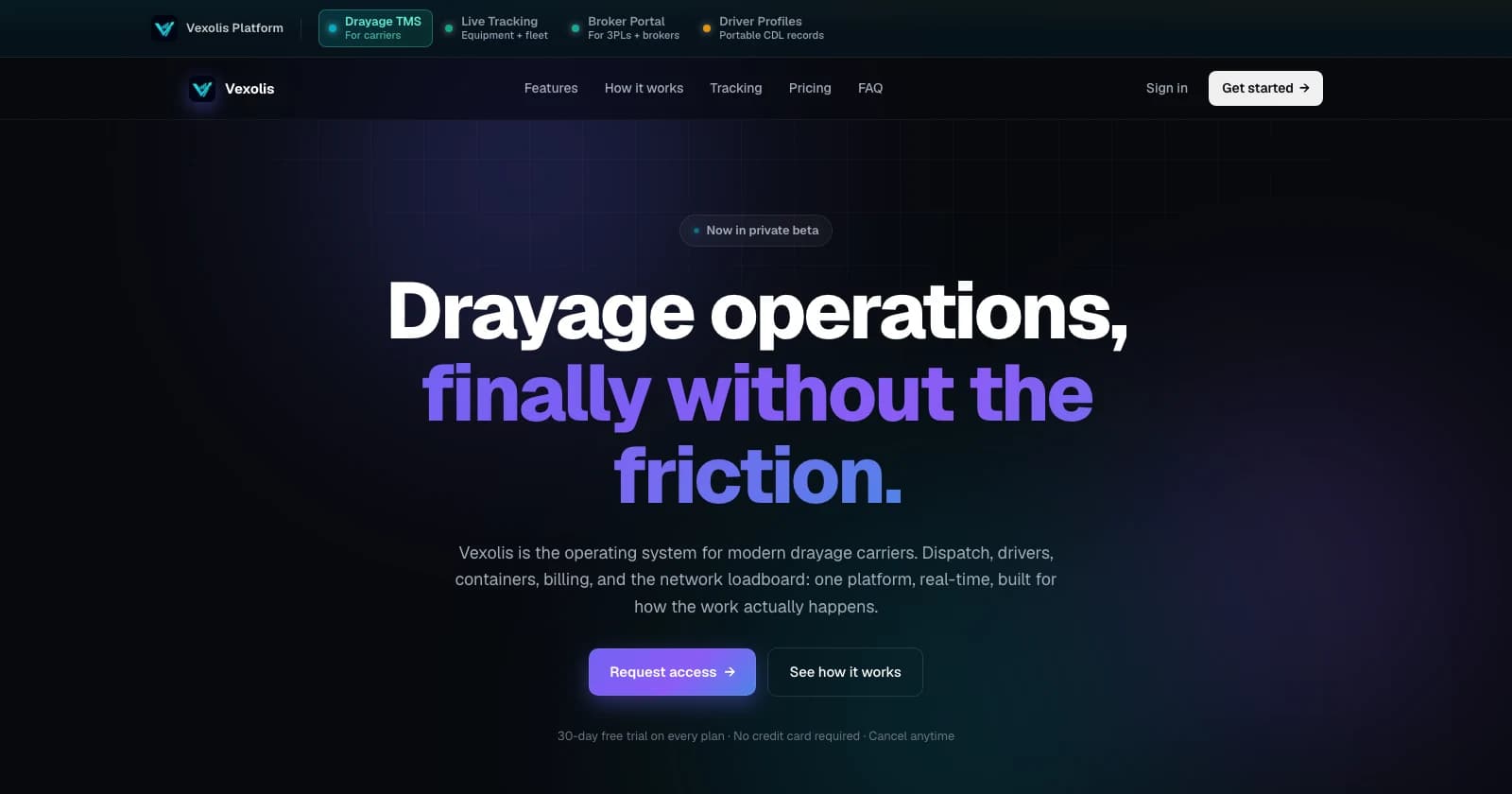
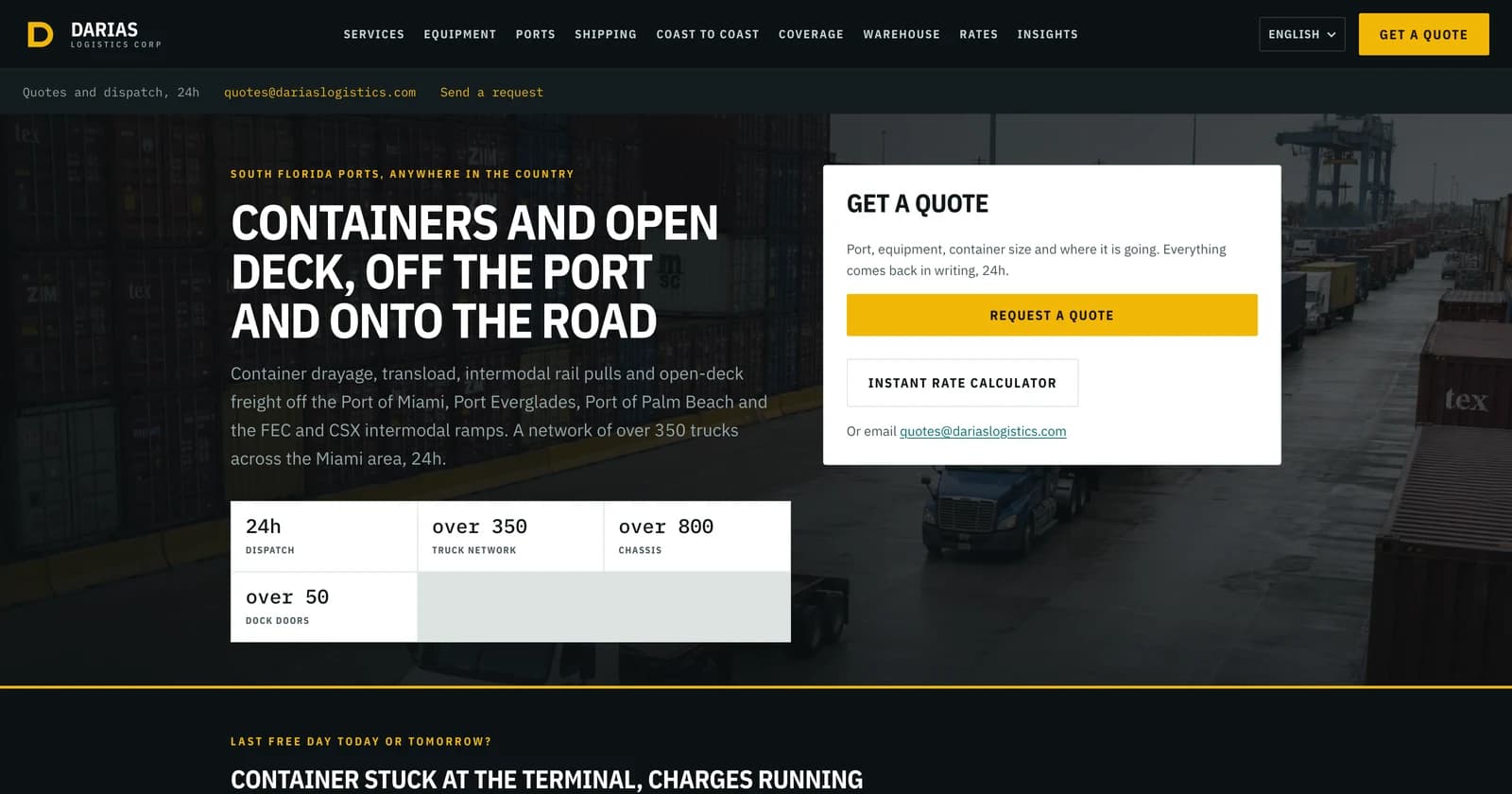
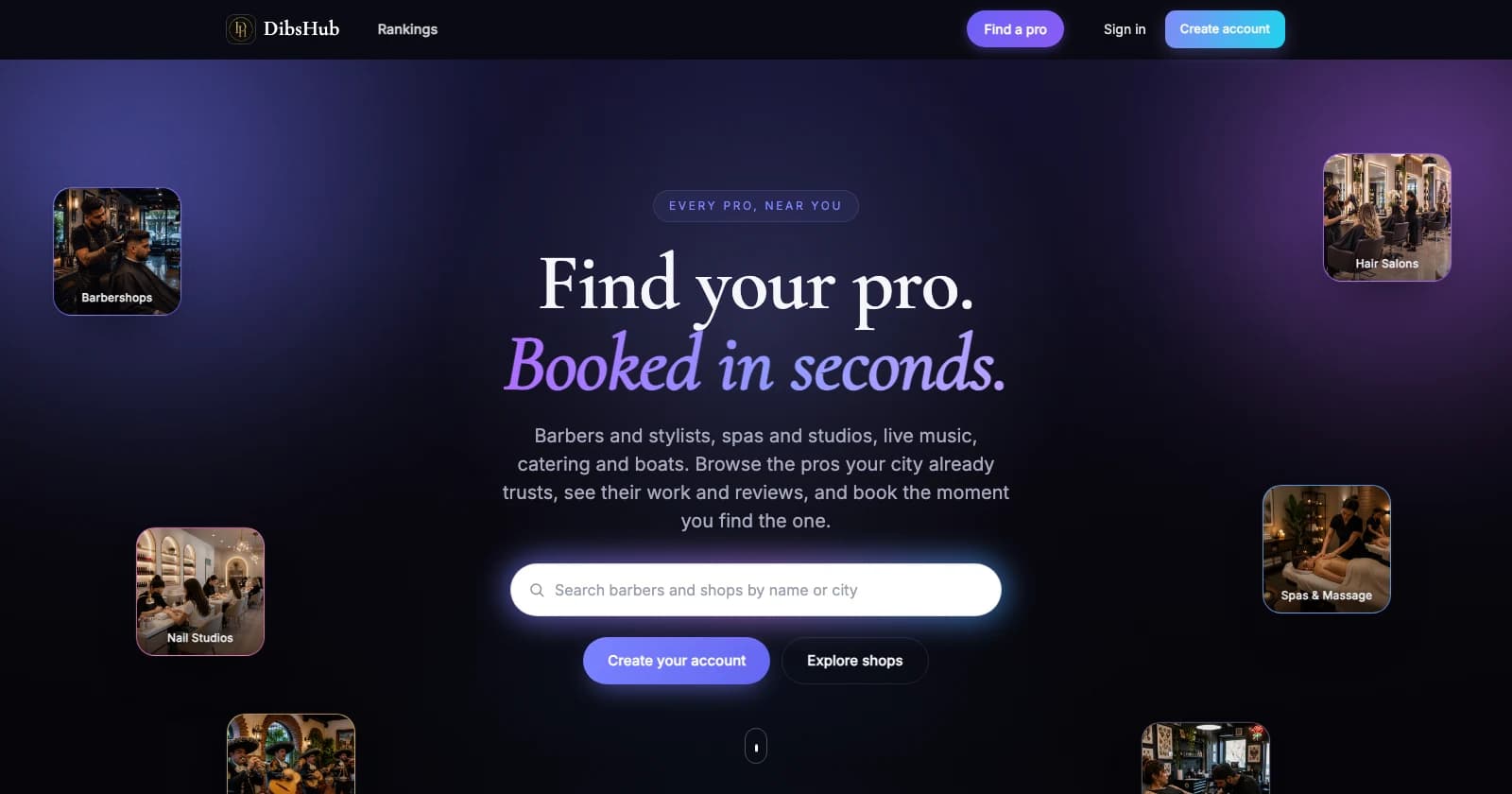
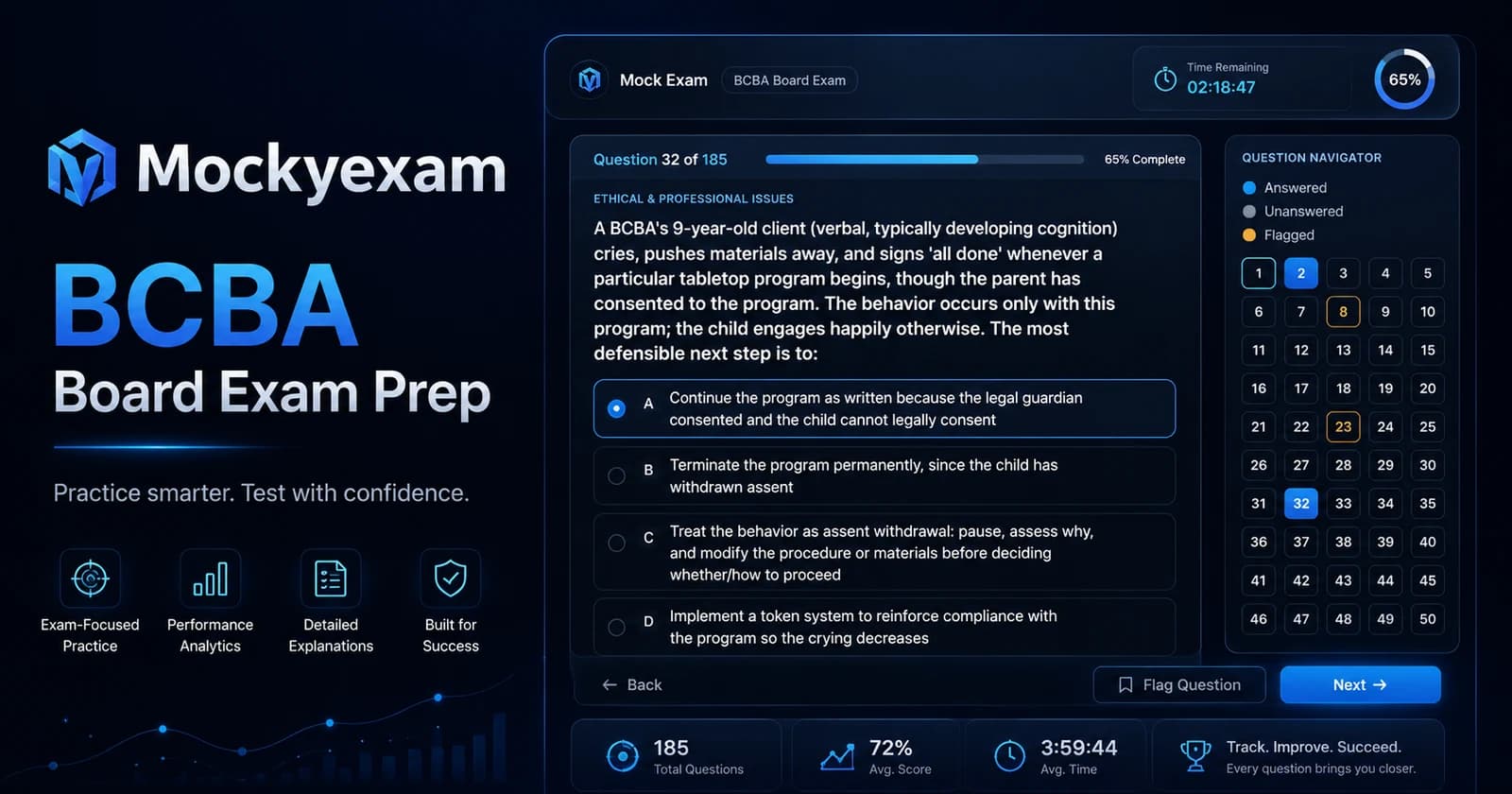
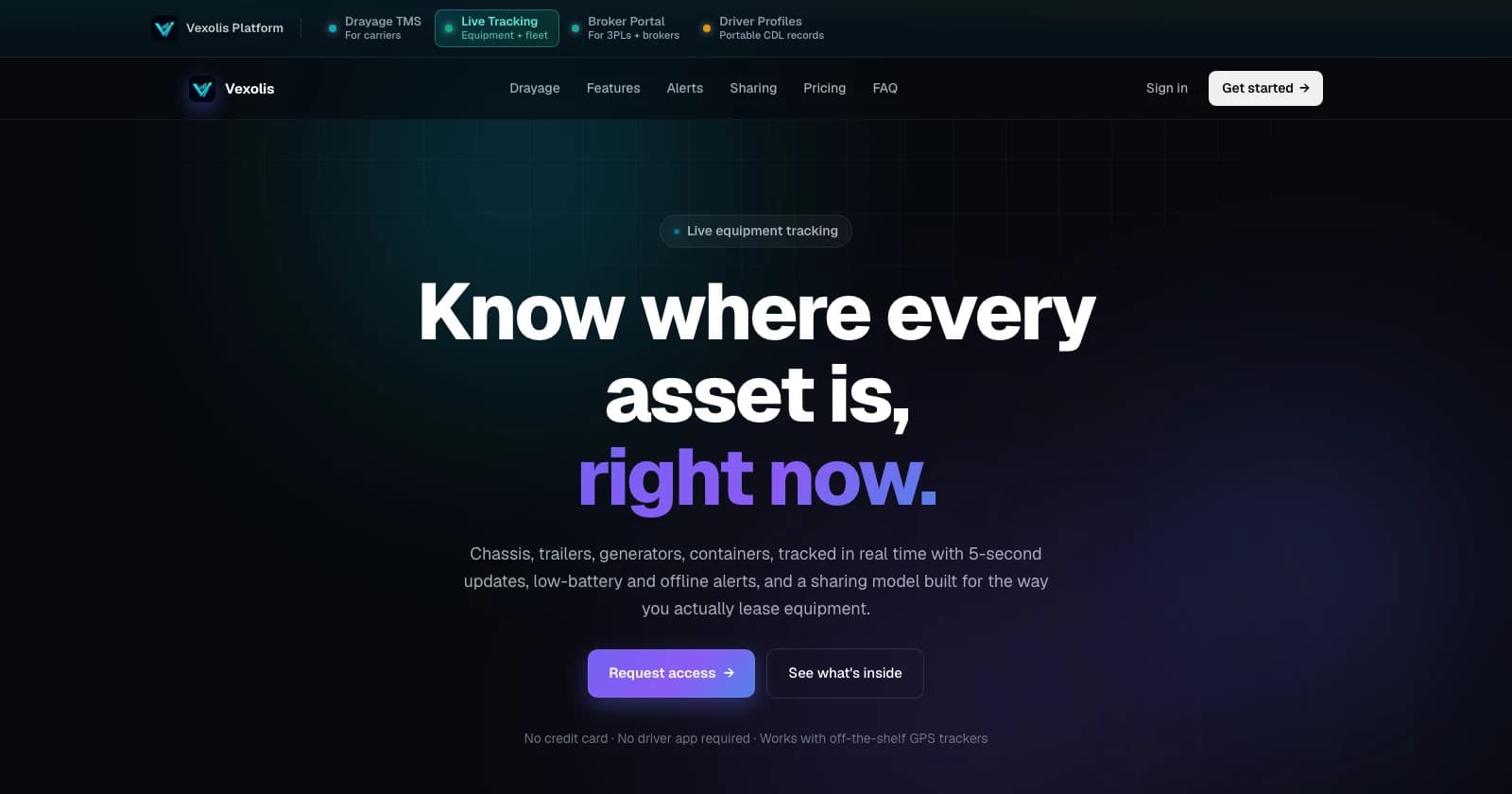
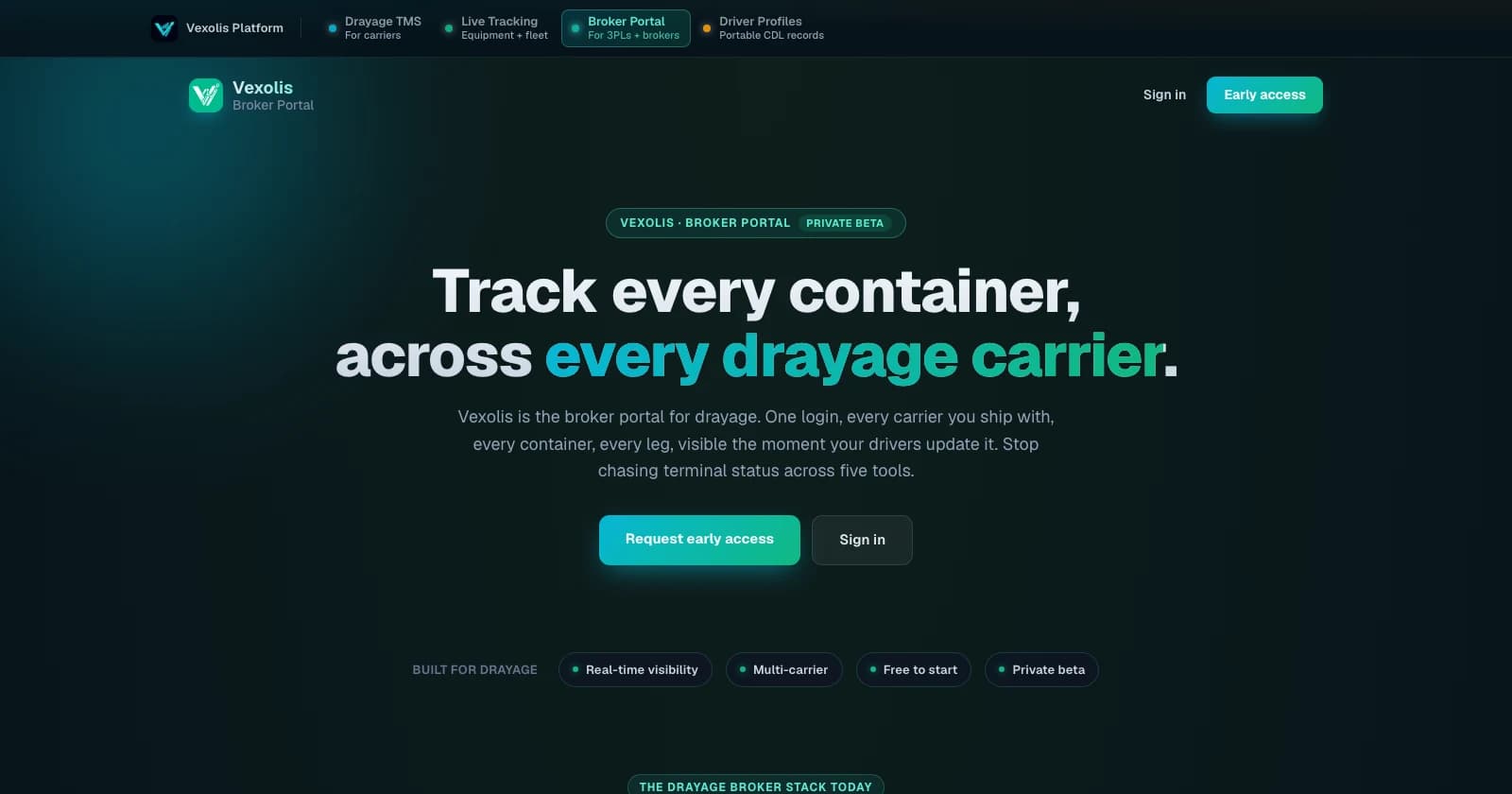
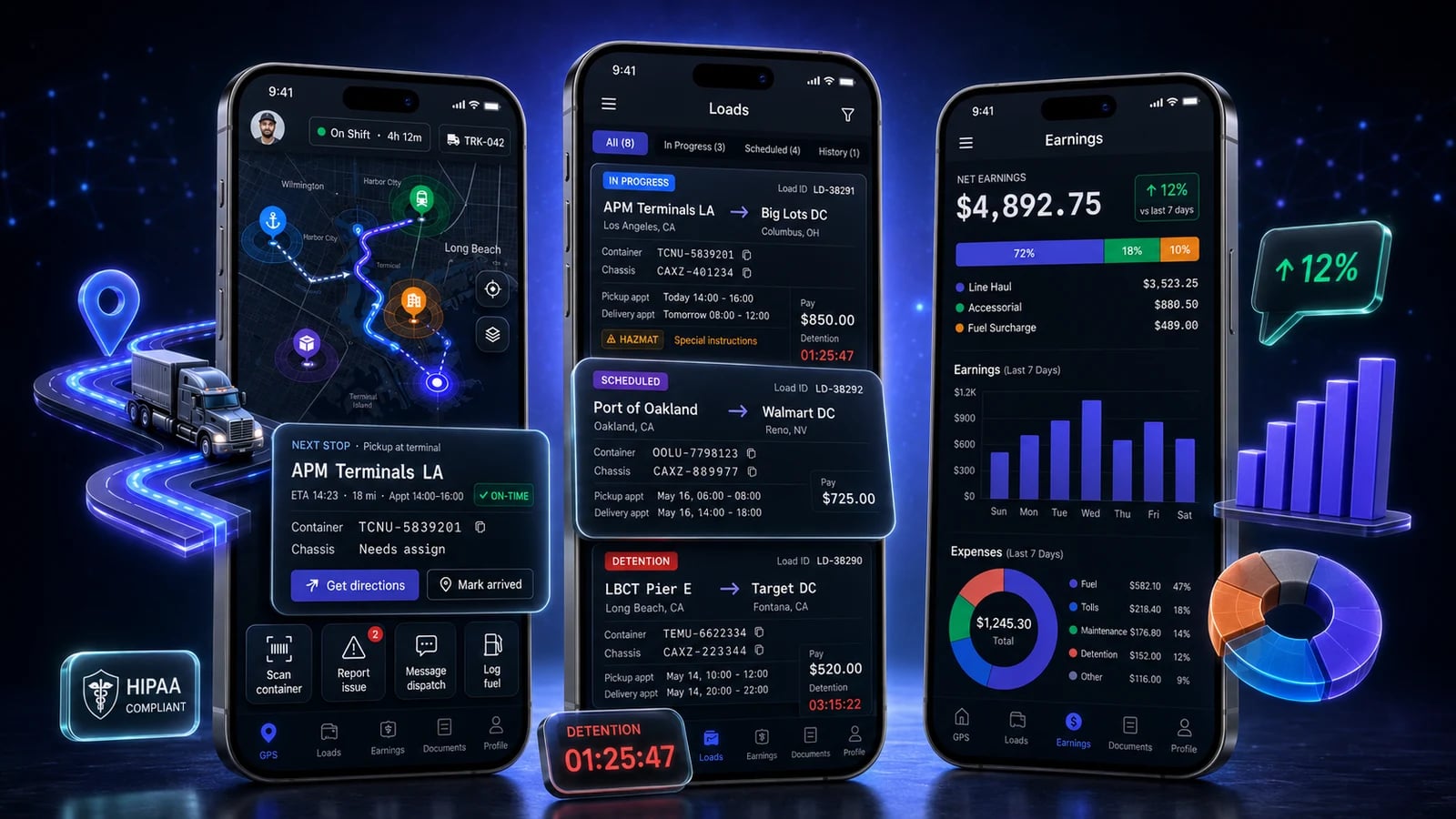
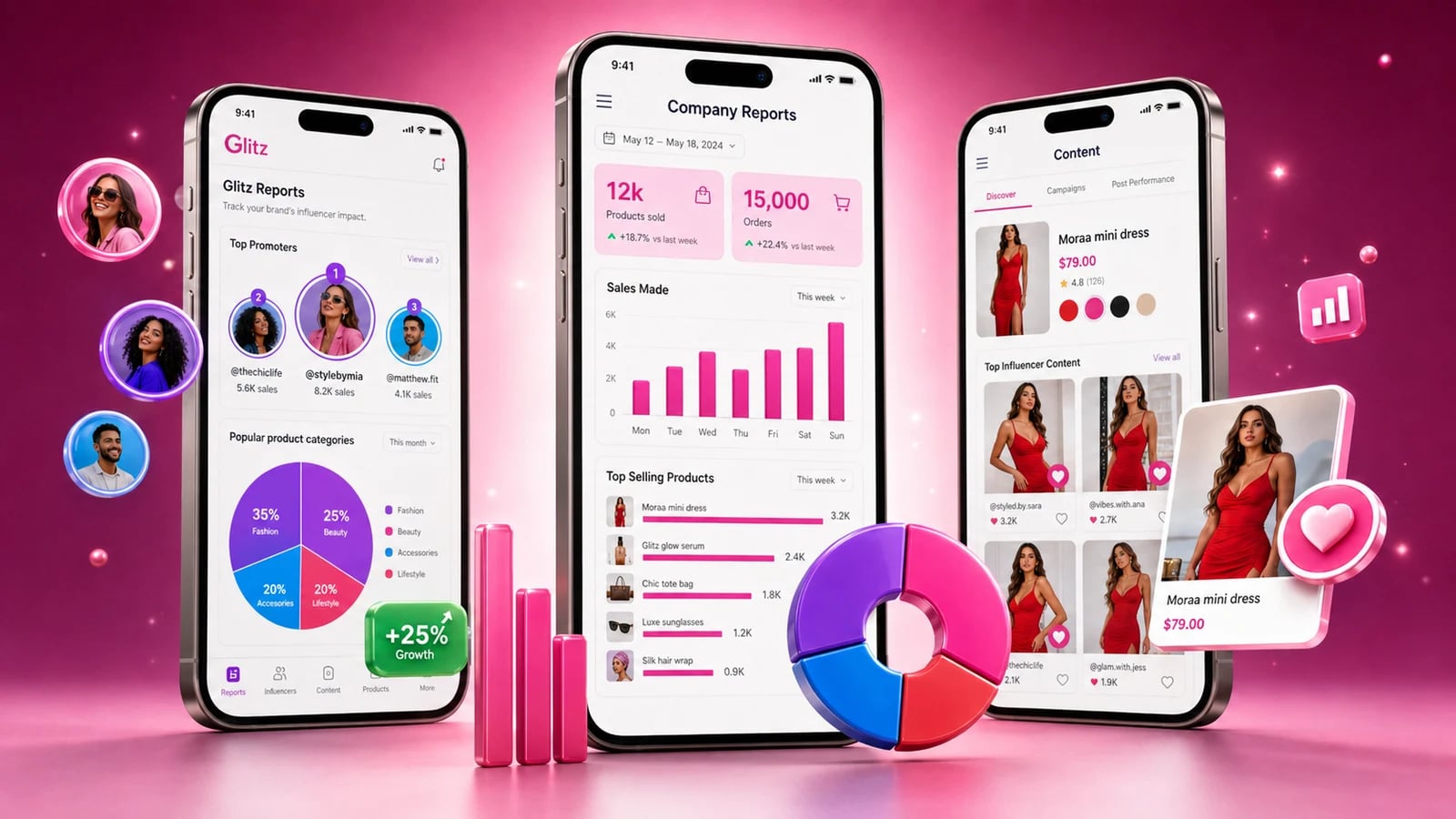
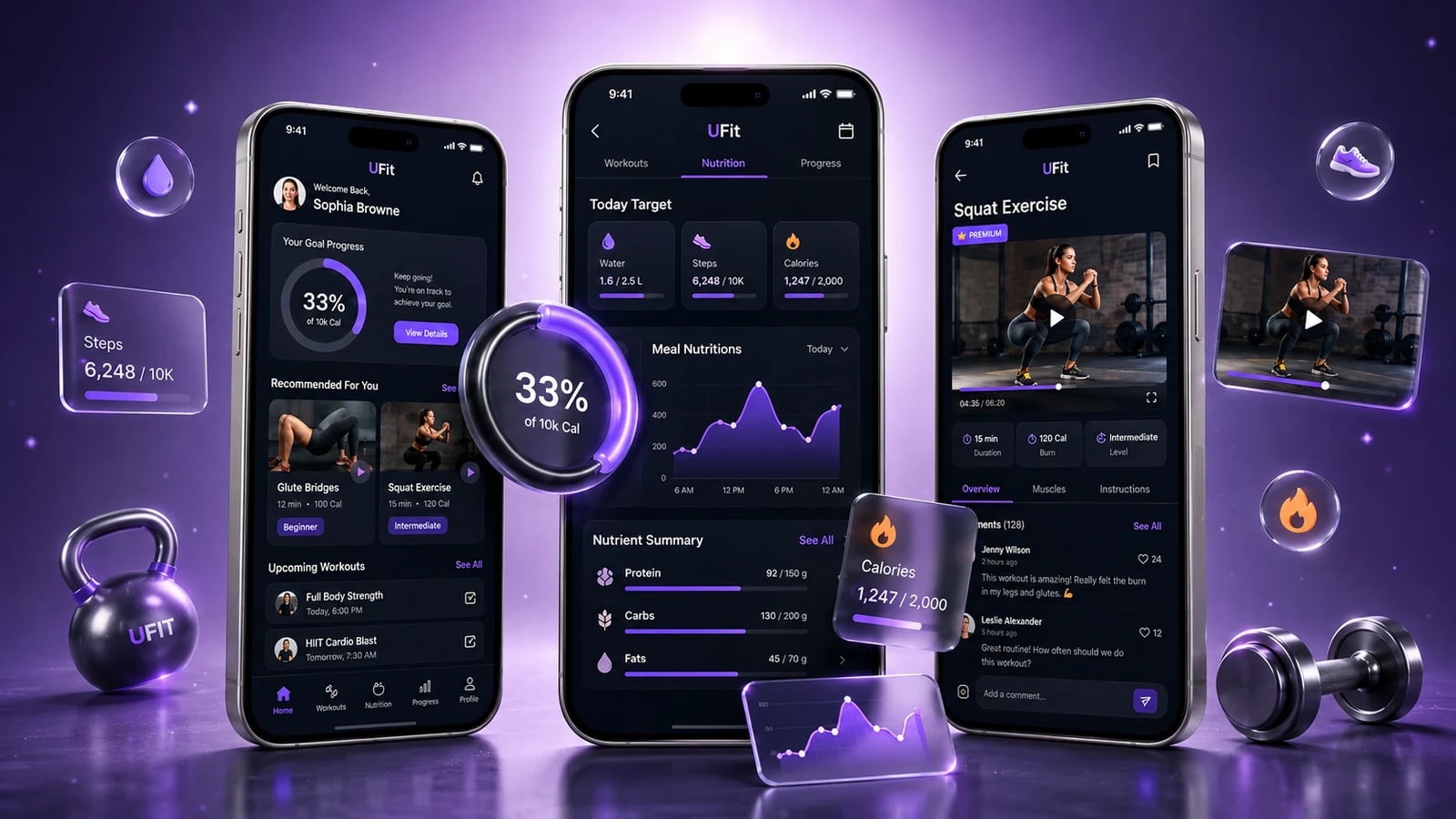
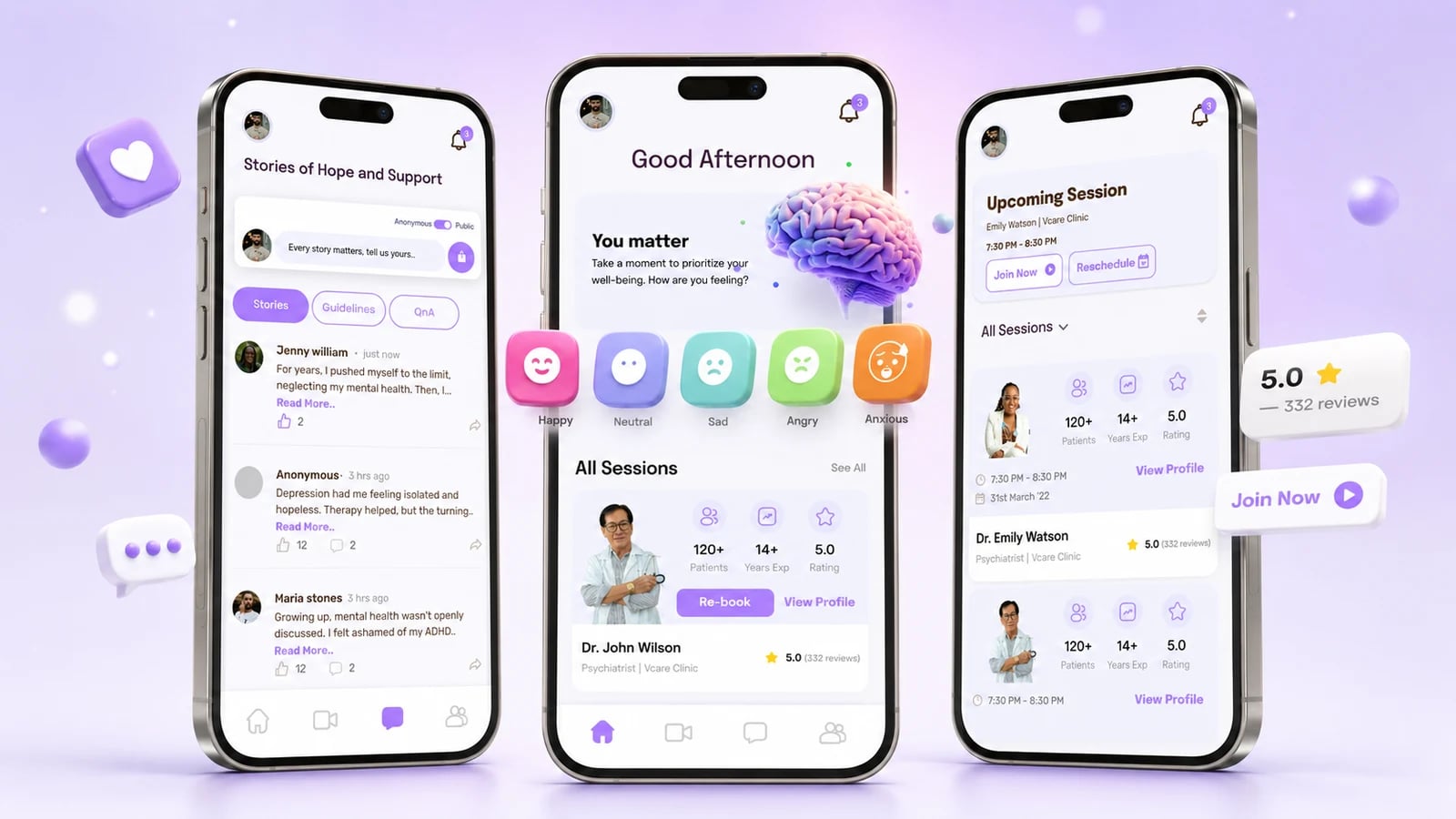
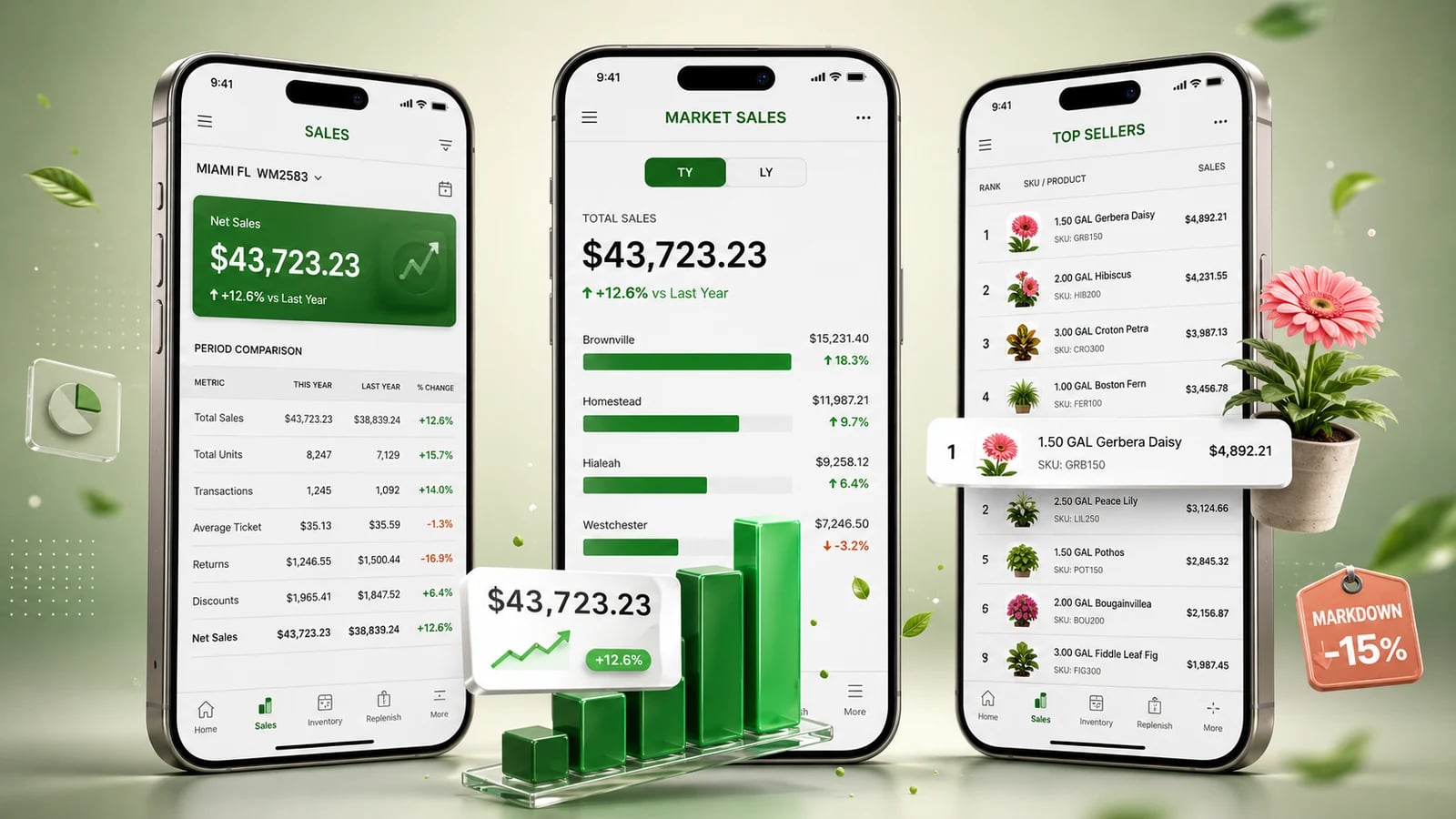
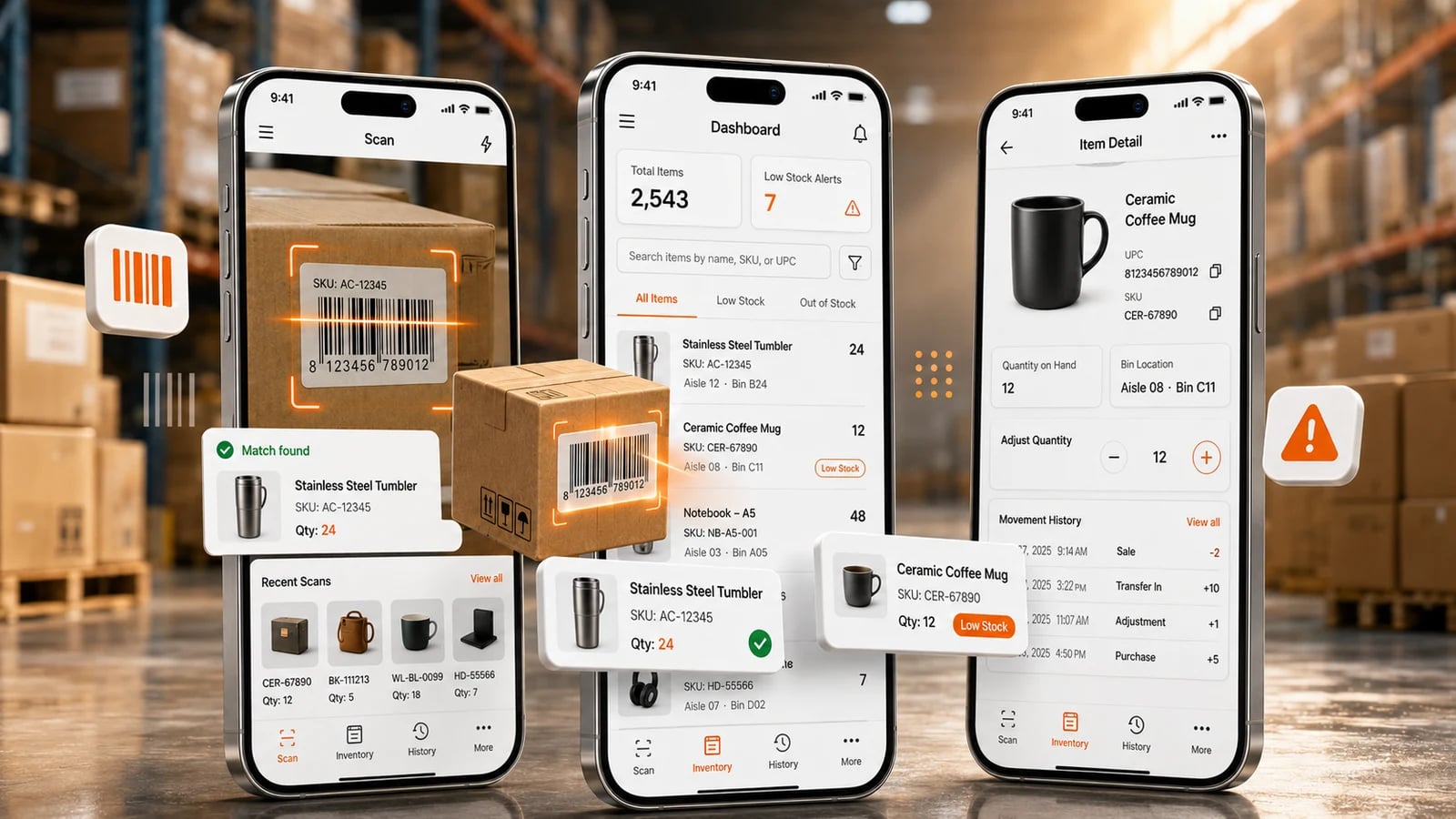
Three of these had to be built, because no product on the market did the thing. The fourth is here because the client wanted an app and the right advice was that they did not need one. Sorting your own situation into the correct pile is the whole exercise this page is asking of you.
Why Pinecrest practice owners work with us
We put the recommendation in writing, including no
You get a document naming the products worth evaluating, what each would and would not cover, and what building would actually cost to own. It is useful whether you hire us, hire someone else, or hire nobody, and you keep it either way.
We are comfortable working beside software we did not write
A lot of firms only want the greenfield project, because a small piece attached to your existing product is a smaller invoice. That smaller piece is very often the correct answer for a practice, and it is work we take on happily.
The exit is designed before the build
Export, source code, credentials and store accounts in your name from the start. The question we tell you to ask a vertical vendor is the same one you should ask us, and we would rather you asked it now than discovered the answer in three years.
Ways to begin
Almost nobody here should start by commissioning a system. Start by finding out whether you need one, which costs you an hour and nothing else.
Build or buy review
You have not decided yet
A working session on what your practice actually does day to day, followed by a written recommendation: which parts of it are served by products you can buy, which product categories to evaluate, and what remains that only a build would solve. When the answer is that you should buy and configure rather than build, that is what the document says.
Free, and the answer is often no.
Configure and connect
You own the products already
Getting software you are keeping to work together: intake to scheduling, scheduling to billing, records to reporting, plus the small pieces that fill the gaps between them. A price per connection that is fixed once the scope is signed, and we tell you upfront which ones cost more to maintain than the manual work they replace.
The most common good outcome here.
A custom build, in stages
The process is your differentiator
When the work genuinely is yours and no product fits it, we build, in stages that each go into use before the next begins. You can stop after any stage with something working rather than with a half-finished system and a sunk budget.
The right call less often than you would expect.
Looking for internal business systems or a web platform your firm works in all day, rather than an app? That side of the work lives on our software development in Miami page, and our app developers in Miami page covers customer-facing mobile work in general.


App development in Pinecrest. FAQ
Is Appluex located in Pinecrest?
No. Appluex is headquartered in Miami, Florida, and the Village sits about eleven miles from downtown, well inside the area we work. It would be an odd page that spends two thousand words asking you to be sceptical of a purchase and opens by fudging where the company is. What the distance is genuinely worth is not an address in a footer: it is that we can sit in your practice for a morning and watch how the work is actually done, which is where most of the information that settles a build-or-buy question lives.
There is already software built for my profession. Should I even be talking to a custom developer?
Talk to one, but go in expecting to be told to buy the product, because that is the answer more often than not. What a good conversation gives you is a clear-eyed picture of which parts of your work the packaged product genuinely covers, which parts you would be working around forever, and whether the gap is worth spending on at all. Sometimes the outcome is that you buy the product with more confidence than you had before. That is a fine outcome and we would rather produce it than sell you something you did not need.
How do I decide between custom and off the shelf without being technical?
Four questions, and none of them require any technical knowledge. Is this process something every practice like yours runs the same way, or is it genuinely your own? How many people touch it and how often, because ten people twenty times a day is an argument and two people twice a week is not? What happens to your practice if the vendor triples the price or closes, and are you comfortable with that answer? And can you get your data out in a usable form without asking permission, which you should test before signing rather than after. If the first answer is standard and the second is small, buy the product.
The product we are looking at does most of what we need but not all of it. Is that a reason to build our own?
Usually the opposite. The part it covers represents years of work by a vendor who has seen your edge cases across thousands of practices, and you are renting it for a few hundred dollars a month. The part it misses is what you would be commissioning at full price and then owning permanently, including every future platform update and rule change. The efficient move is almost always to buy the covered part and spend a small share of a build budget on the gap, either by configuring what the product already offers or by adding one purpose-built piece beside it.
What does custom software actually cost to own over five years?
More than the build, which is the number people anchor on and the one that misleads them. Software does not sit still: operating systems change their requirements every year, security patches are not optional, payment and identity providers deprecate what they used to support, and the rules governing your profession move too. Budget for ongoing attention every year, not just the year you build. A packaged vendor absorbs all of that and divides it across their whole customer base. If you build, you carry it alone, and knowing that number in advance is what separates a good decision from a regret.
Our current software will not let us export our records properly. What do we do?
Recognize it as the real problem, because it is not a feature complaint, it is leverage. If your history cannot leave, every price increase from that vendor is a price you will pay. Start by finding out precisely what export exists and in what format, including whether attachments and history come with it rather than just the current records. There is often more available through a support request than the interface suggests. In some cases we can build an extraction that runs alongside the product so you hold a usable copy of your own data, which changes the conversation the next time your contract renews.
Can you build one small piece that works next to the software we are keeping?
Yes, and it is the request we most like receiving, because it is usually the correct one. Something that reads from your existing product and handles the single workflow it refuses to do, or a patient and client-facing screen the vendor never got around to building. It costs a fraction of a replacement, it does not disrupt anything your staff already know, and it leaves you free to change the underlying product later without throwing away the piece.
How much of my time will this take week to week?
Plan on an hour a week from the owner, and be honest with yourself about whether you can protect it. The first two weeks are heavier because we need to watch how the work is done rather than hear it described, and the descriptions people give of their own processes are always tidier than the reality. After that it is a short scheduled call and something you can open and try. The main way projects like this go wrong in a practice is not budget or technology. It is that the only person who knows how the practice really runs was too busy seeing clients to look at anything until the end.
We already started building something custom and now suspect we should have bought a product. What now?
Stop and price both paths before you spend anything more, because the money already spent is gone whichever way you go and it should not vote. Sometimes what has been built is close enough to finish and finishing is cheapest. Sometimes the honest answer is that a product covers it, the partial build should be retired, and the only thing worth keeping is the data inside it. We will do that assessment and tell you which, including when the answer means no further work for us. Continuing a build because it was started is one of the most expensive habits in this business.
Guides from our team

















Let's build something worth shipping
Tell us about your idea. With a track record of success and a commitment to client satisfaction, we'll help bring your product to life.