App developers in Tampa
Appluex is a mobile and web software studio headquartered in Miami, delivering to Tampa the way we deliver everywhere in Florida: remotely, in short milestones you can open and test. The two kinds of work that reach us from here are software for freight that moves through the port, and software for data that a regulator cares about.
A dispatch board and a claims desk fail the same way
Tampa's economy has a shape that is easy to describe and hard to build for. Port Tampa Bay is the largest port in the state by tonnage and by land, and it handles a wider mix than most: bulk, petroleum, containers, cruise passengers, and the steel and building material a growing region eats. Around it sit the trucking companies, terminals and forwarders that turn a vessel call into a delivery. A few miles away are the hospitals and research centers that anchor the region's health economy, and spread through the office parks are the insurers, banks and claims operations that run back offices here because the labor and the real estate make sense. Add MacDill and the contractors that orbit it, and you have a city where an unusual share of the software that matters holds information somebody else is legally entitled to keep private.
That is the thread we would pull on before writing a line of code. A drayage platform serves many carriers, brokers and shippers at once, and each of them must see their own loads, rates and invoices and nobody else's. A claims tool serves many adjusters and many policyholders, and a patient portal serves many practices, and the same sentence applies with the nouns changed. In every one of these the expensive failure is not a crash. It is a query that forgot its filter and quietly returned another customer's rows, discovered months later by the customer. Most teams defend against that with discipline: every developer remembers to add the right clause every time. Discipline is a fine thing and a terrible security boundary.
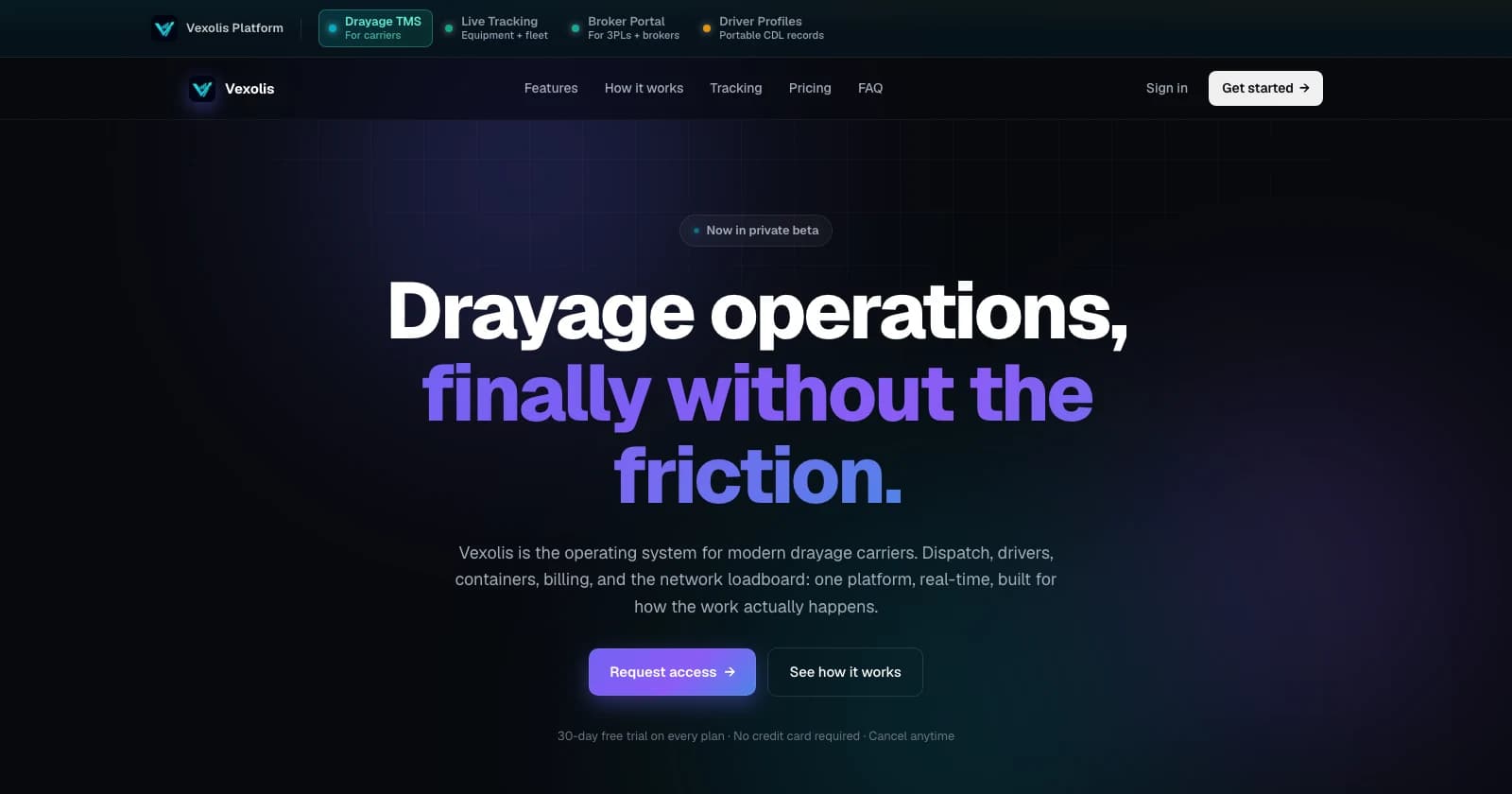
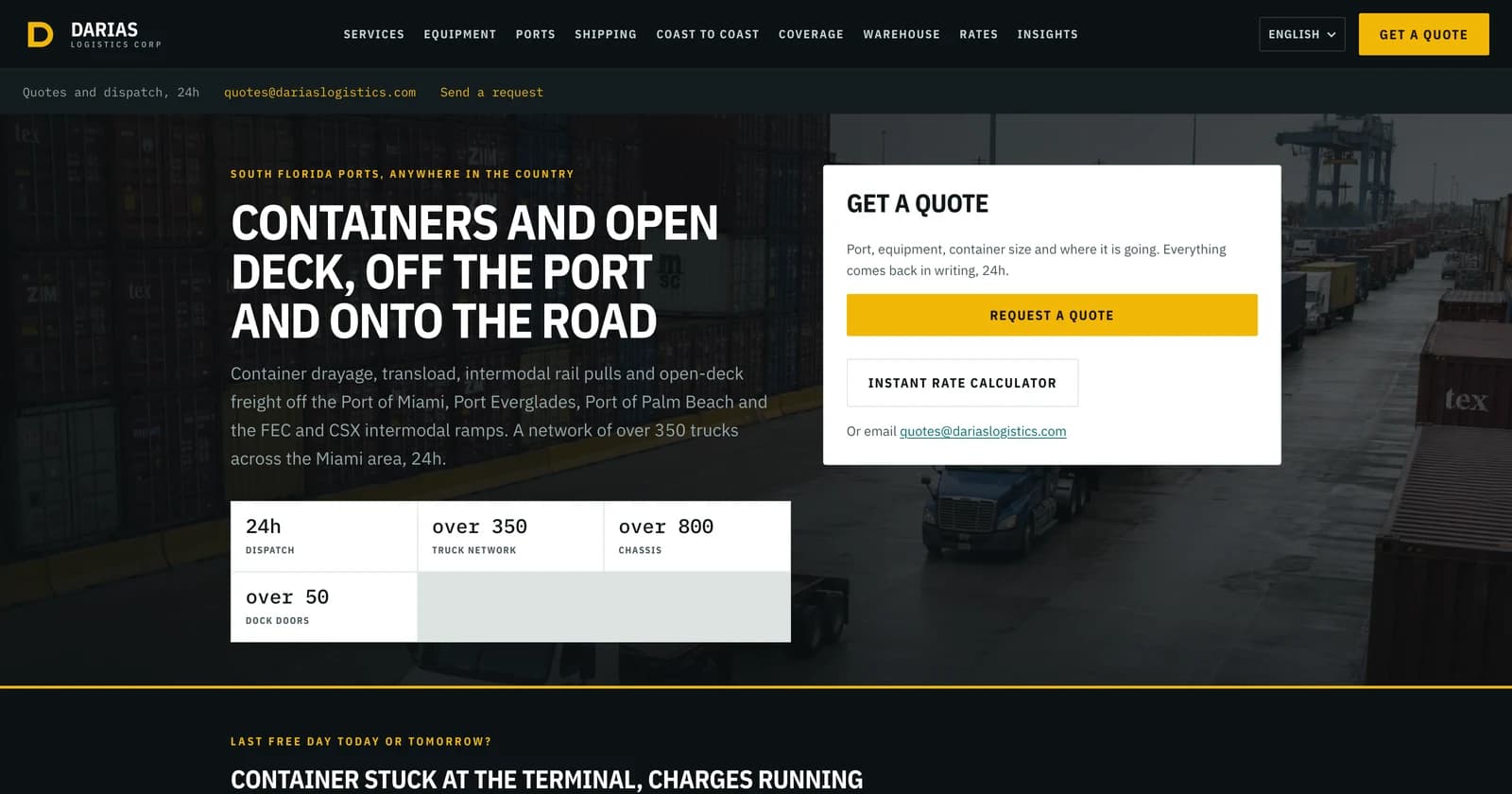
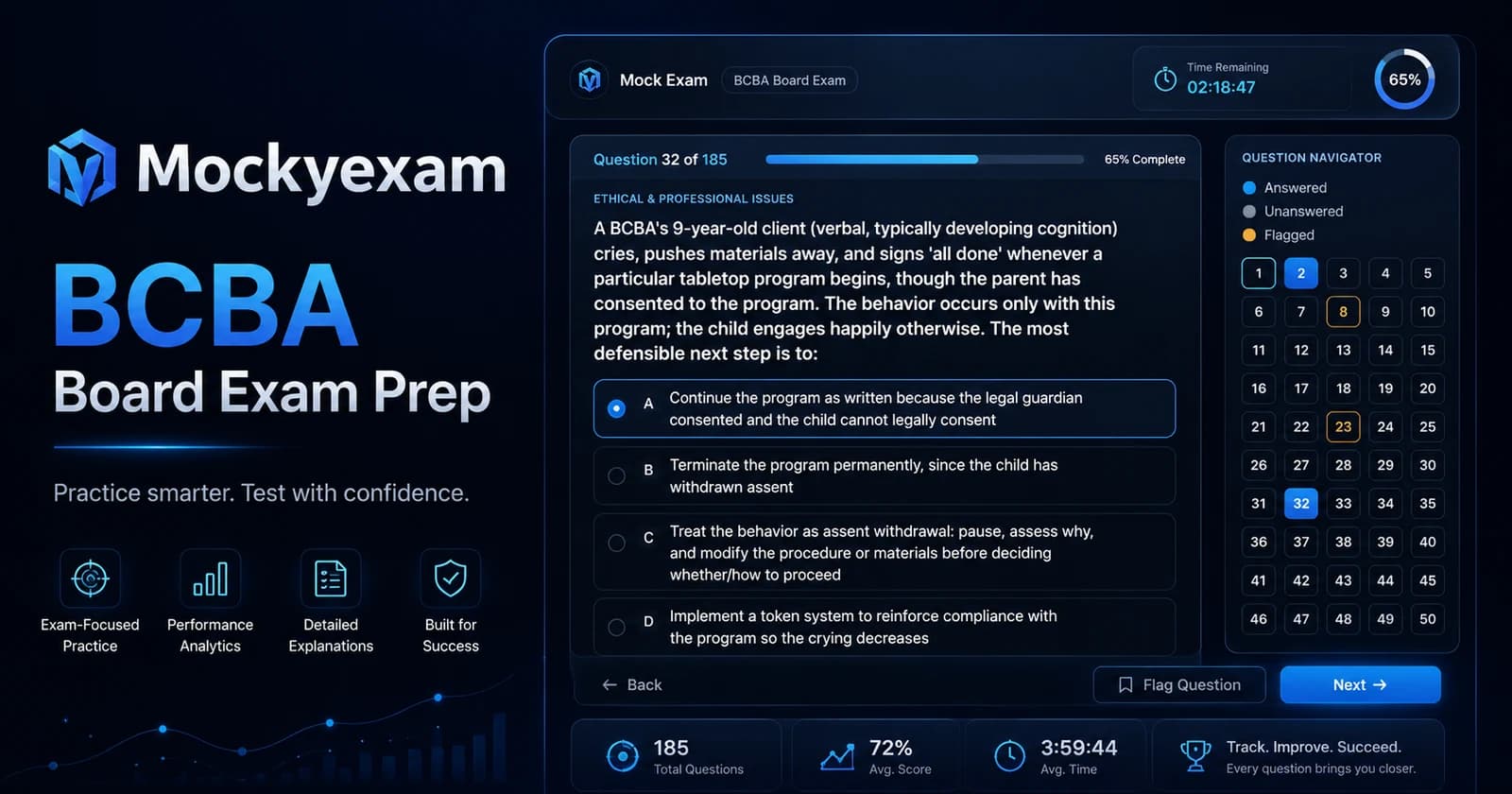
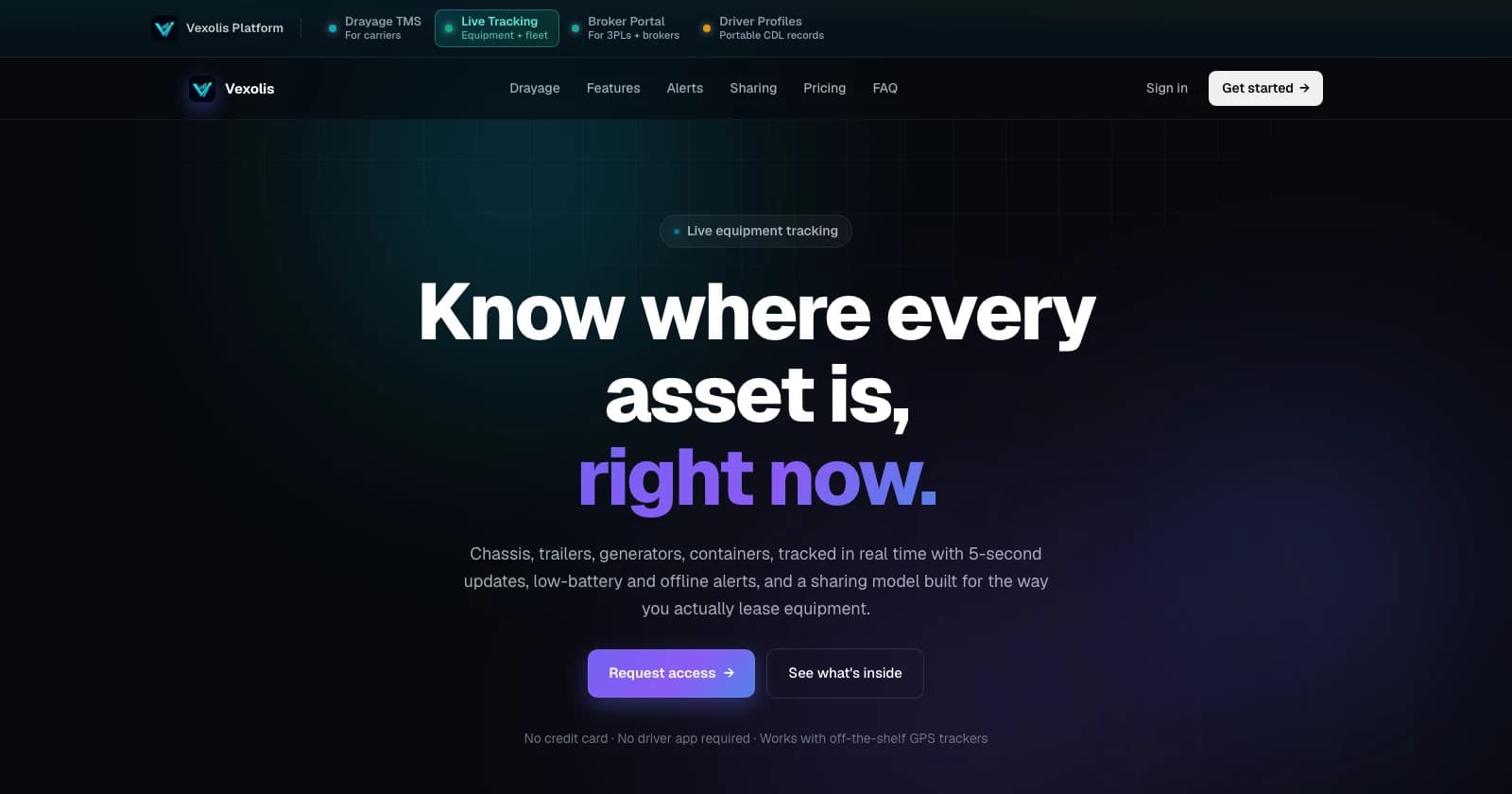
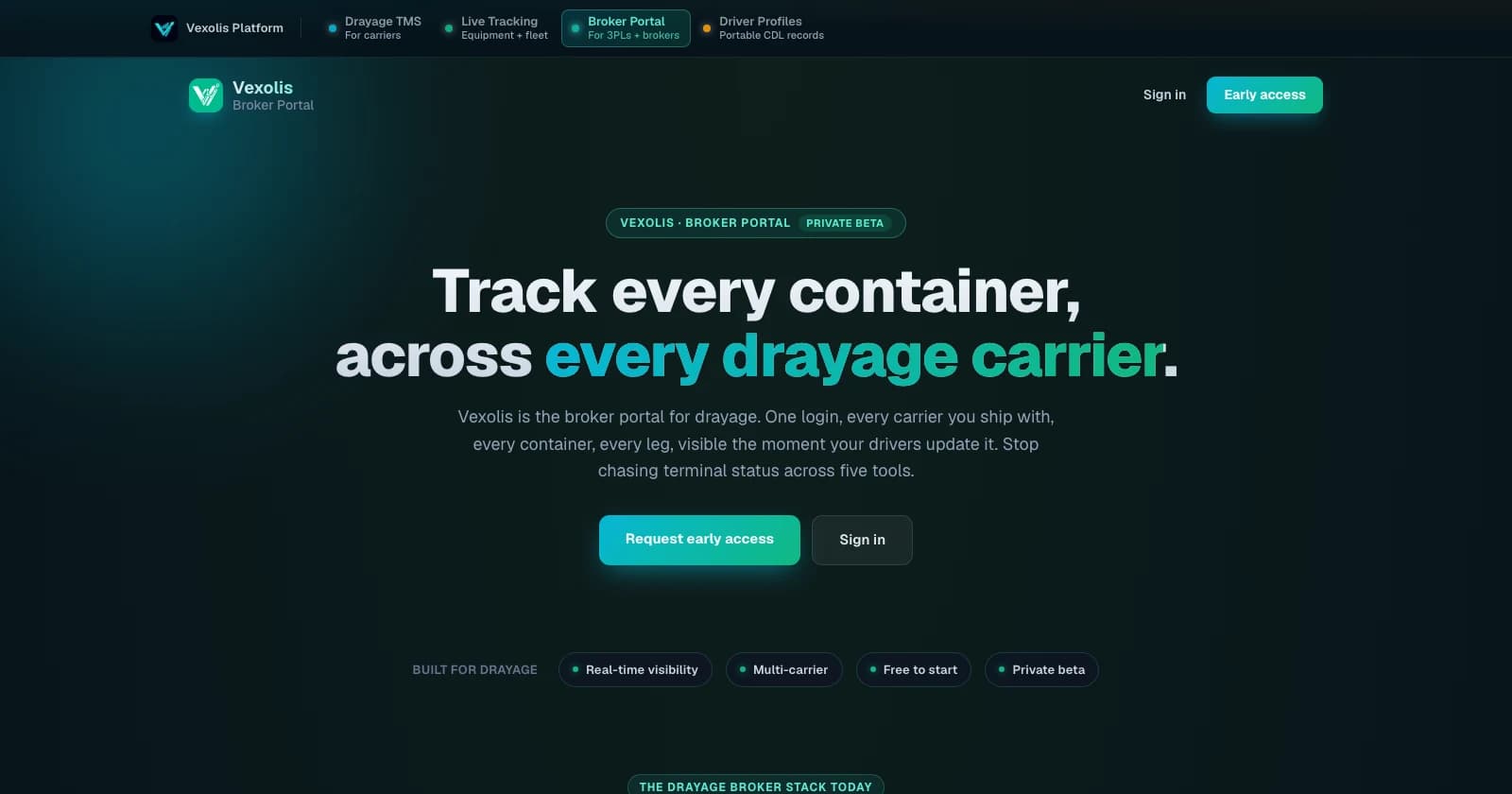
We put the boundary in the database instead. Row-level policies mean the data layer itself refuses to hand back a row that does not belong to the caller, so a forgotten filter returns nothing rather than everything. It is the architecture underneath Vexolis, the logistics platform we built and run, where carriers who compete with each other share one system and each sees only their own world. It is also the shape that satisfies the auditor's question in health and finance work, because the answer to who can see this is a policy you can print, not a promise that the team is careful. None of that was built for a Tampa client. Vexolis and Darias Logistics were built for freight out of the South Florida ports, and Zant, which handles mental health appointments where the sensitivity of the data shaped the design, was built for a provider network elsewhere. We point at them because the mechanism travels and the city name does not.
The practical question is how a Miami company does this for a business four hours up the interstate, and the honest answer is that geography was never the variable. Remote projects fail when the client cannot see the work, so we make the work visible on a schedule: a scoped milestone, an installable or usable build at the end of it, a short call to walk through what changed, and your sign-off before the next one starts. A dispatcher in Tampa can test a driver app on a real load the same week it is built. A compliance lead can read the access policy before the feature that depends on it exists. The distance shows up nowhere in that loop, which is why we do not pretend to have an office here to compensate for it.
The expensive failure in freight and in regulated data is the same one: a query that forgot its filter and quietly returned somebody else's rows.
Isolation enforced by the database rather than by application code. A query that forgets its filter is stopped by the policy instead of quietly returning another customer's rows.
What Tampa companies ask us to build
Operations software where many parties share one system, and customer-facing software where the data has a regulator behind it.
Port and drayage operations platforms
Dispatch, rating, tracking and invoicing for the carriers, brokers and forwarders working Port Tampa Bay, built so each company on the platform sees only its own loads and the driver's app keeps working inside a terminal with poor signal.
Integrations with terminal, TMS and accounting systems
Connecting the tools you already run by whatever each one actually supports, whether a documented API, EDI, or a file that lands on a server overnight, and monitoring the feed so a silent failure is noticed by you before it is noticed by a customer.
Patient, member and policyholder portals
Web and mobile front doors for health, insurance and finance operations, with access control enforced at the data layer, an audit trail that names who did what, and test environments that have never held a live record.
Internal tools for claims, intake and back-office teams
The system a team of forty works in all day, replacing the spreadsheet and the shared inbox with a workflow that knows what stage a case is in and who is allowed to move it.
The mechanism, shown on work we have shipped
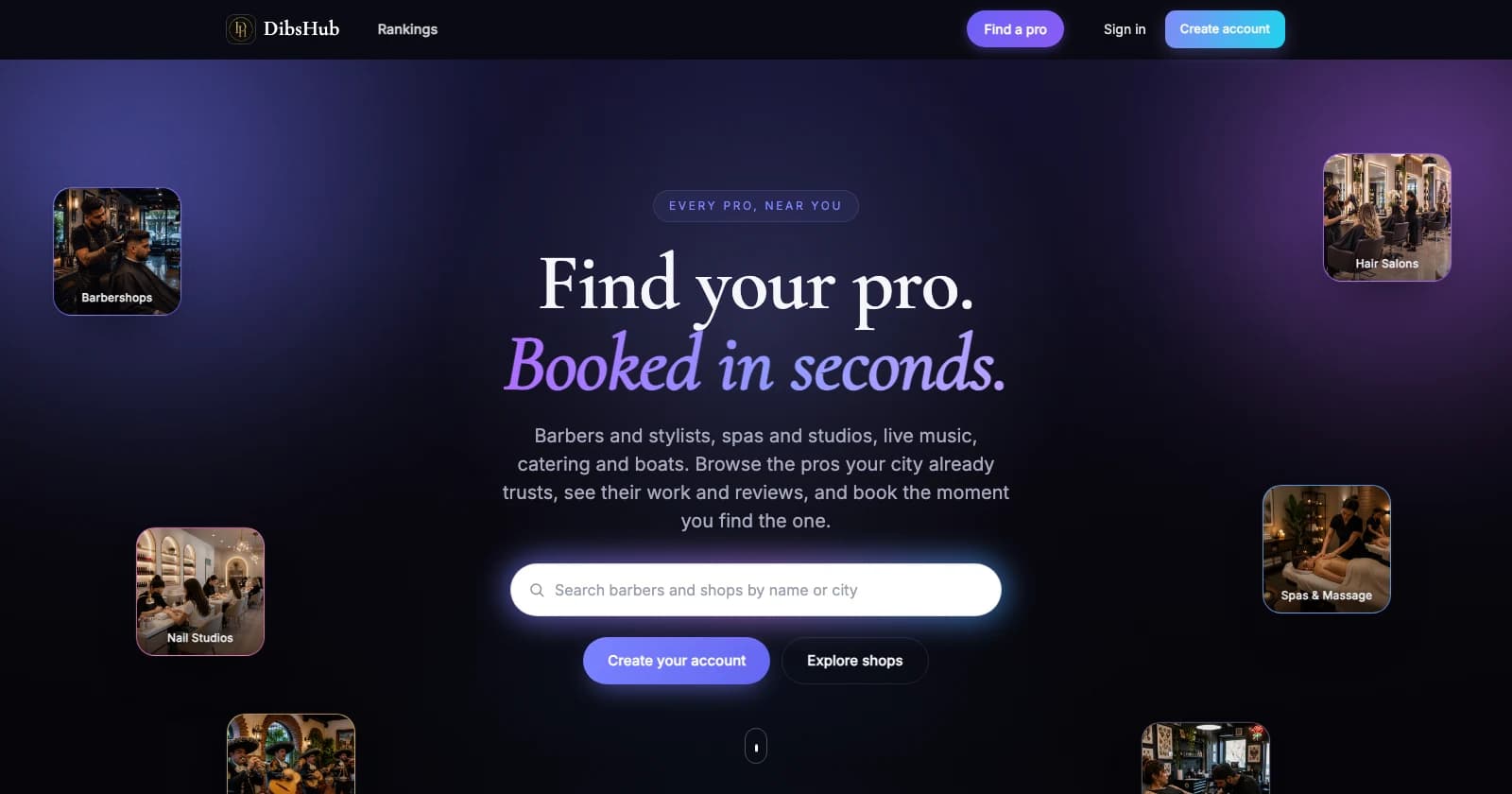
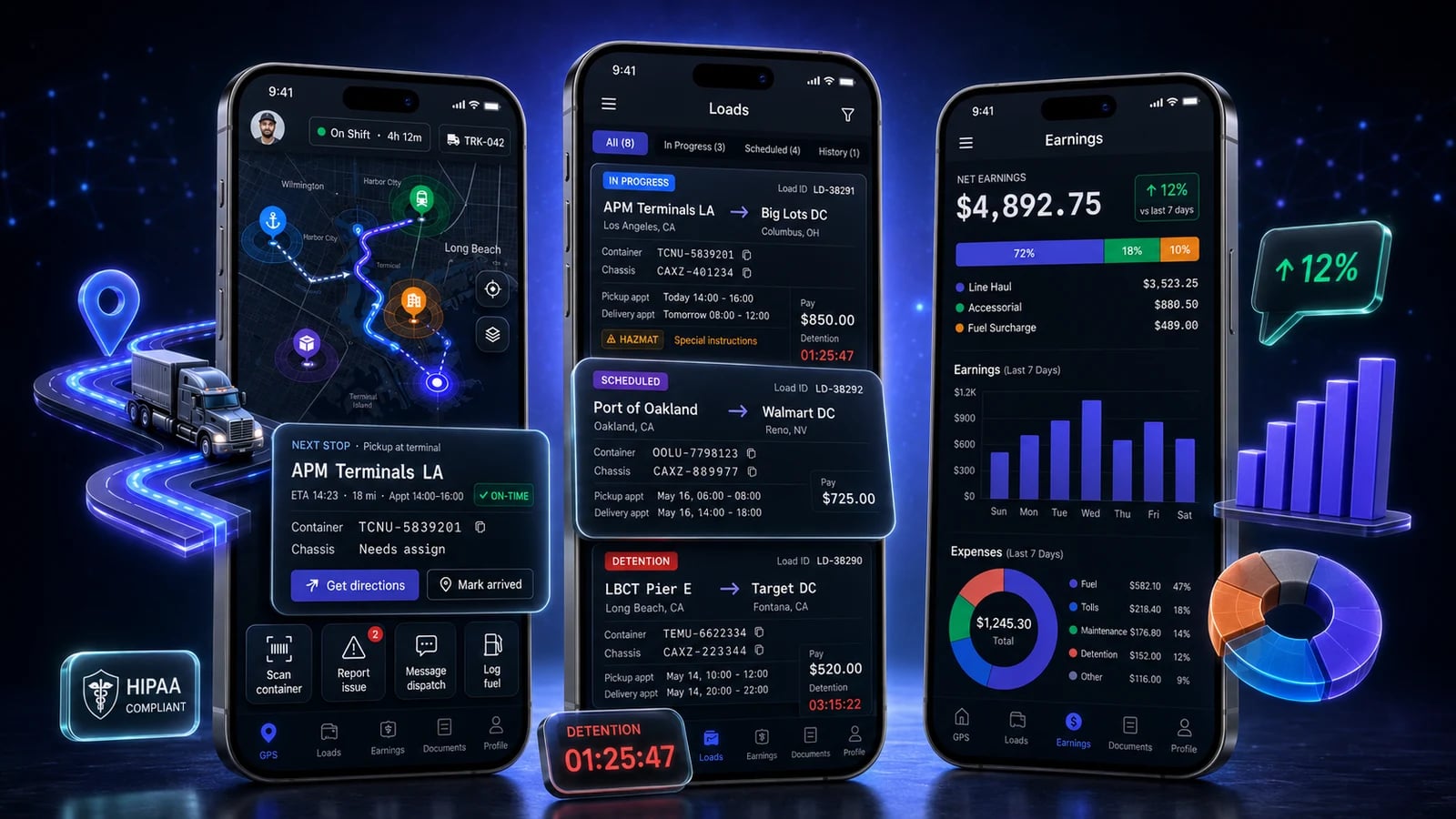
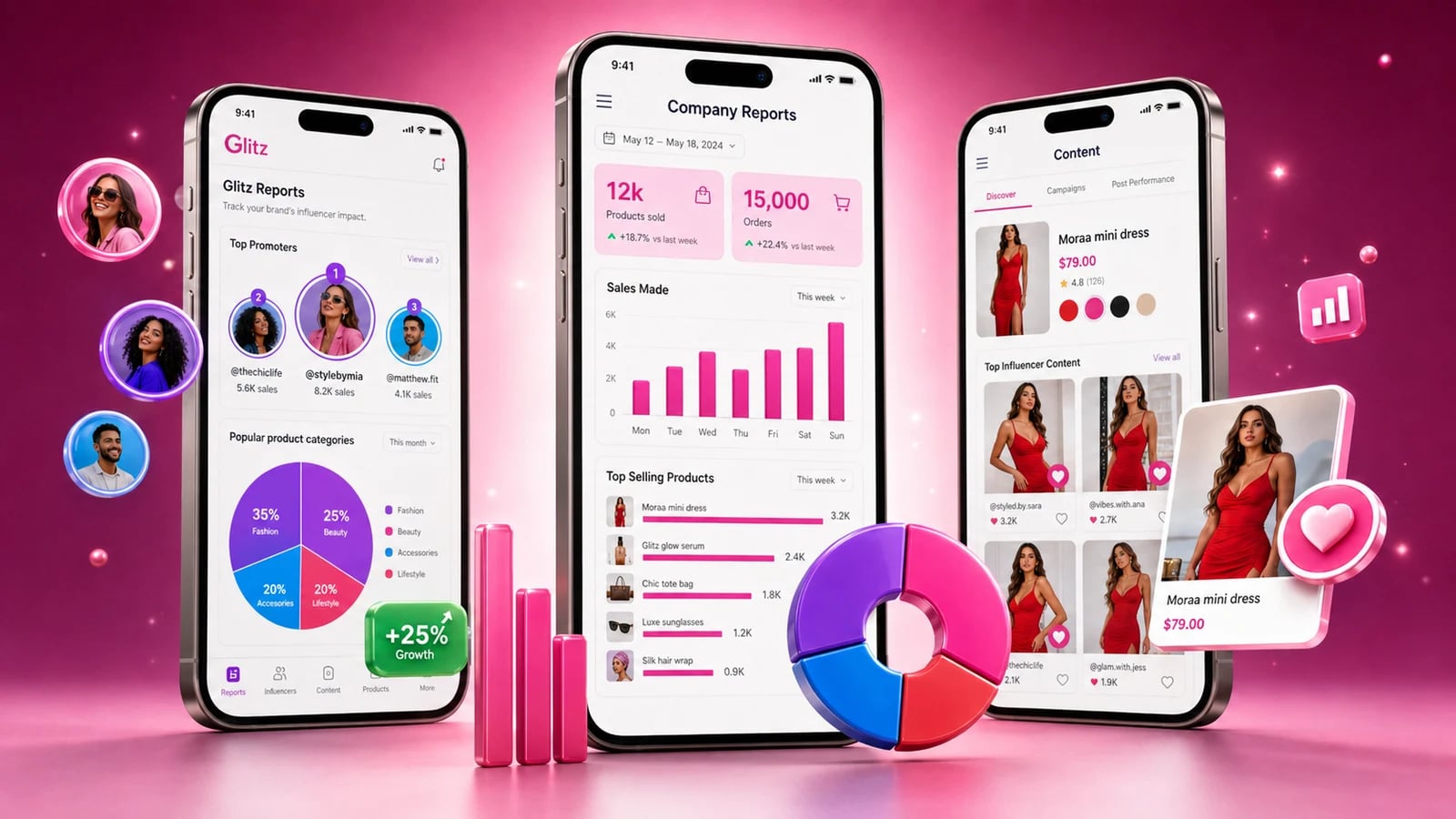
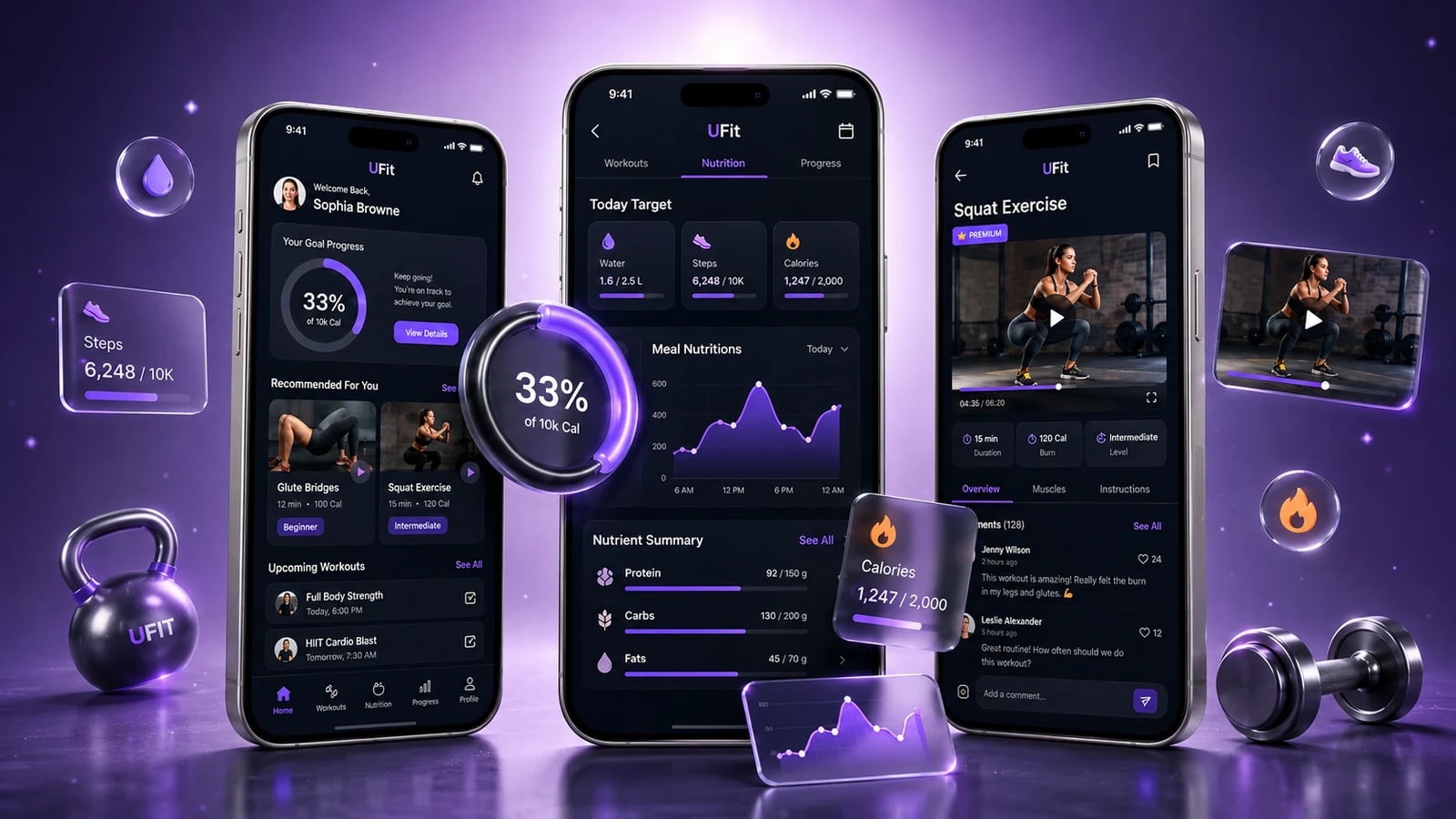
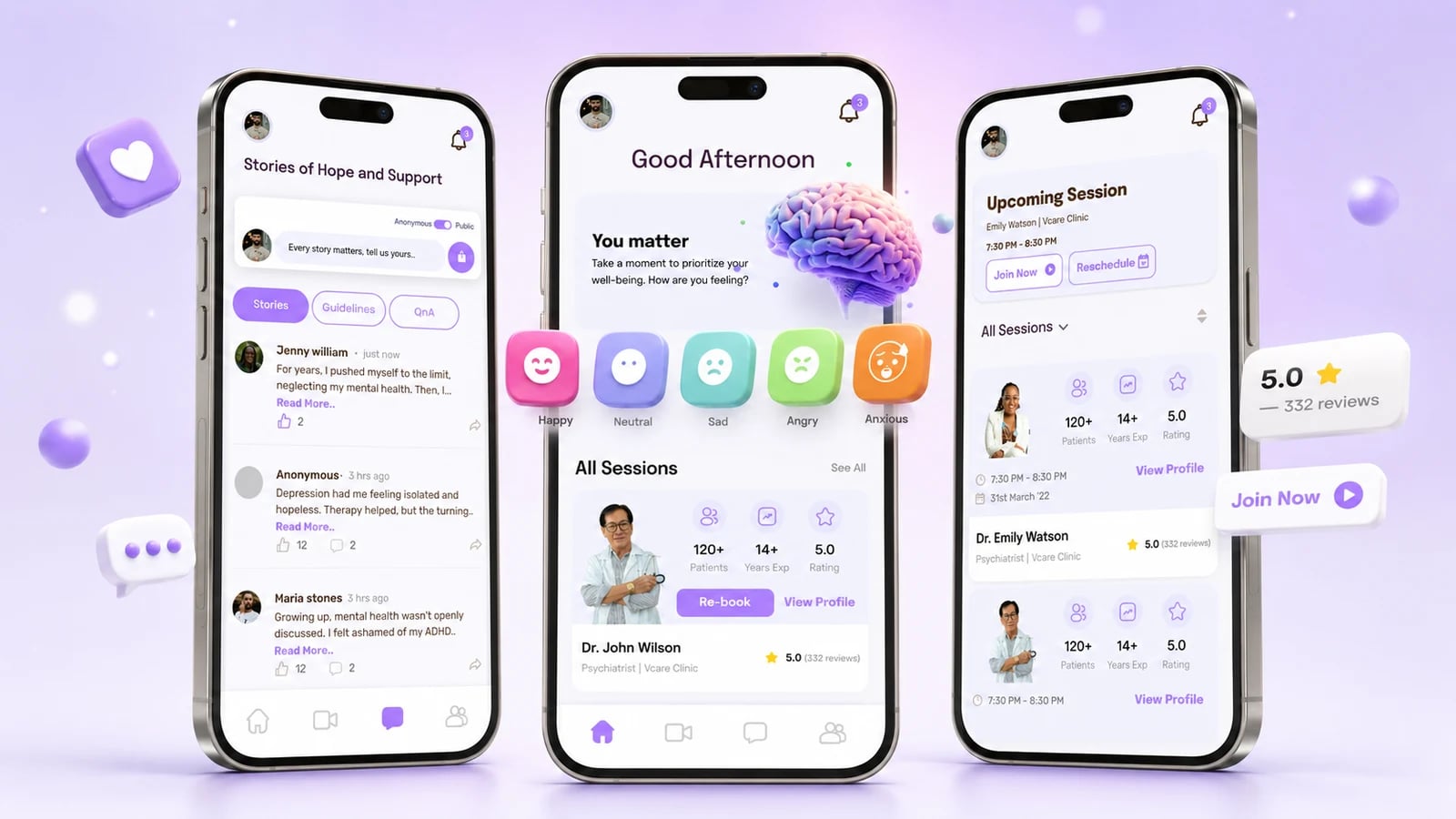
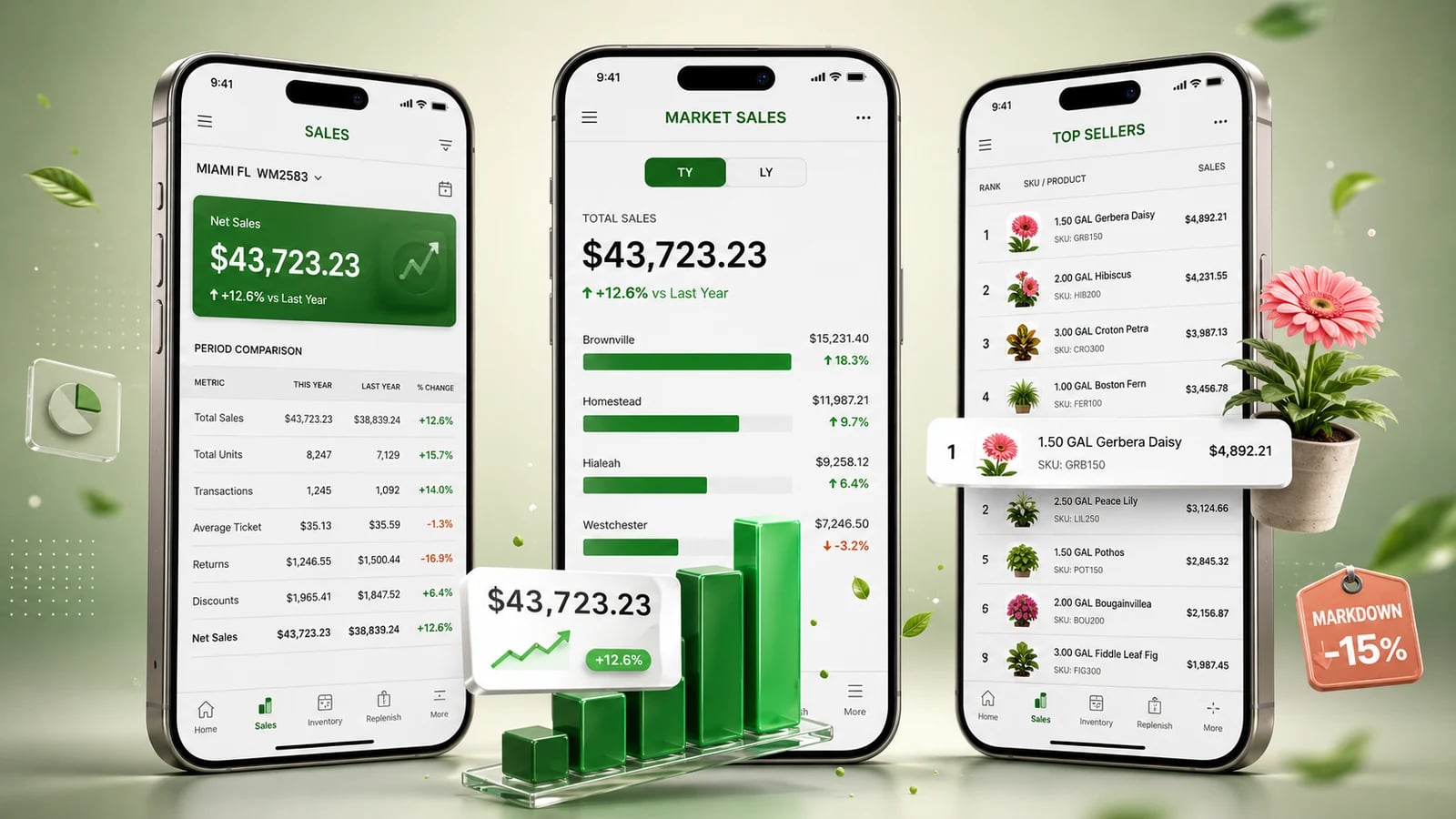
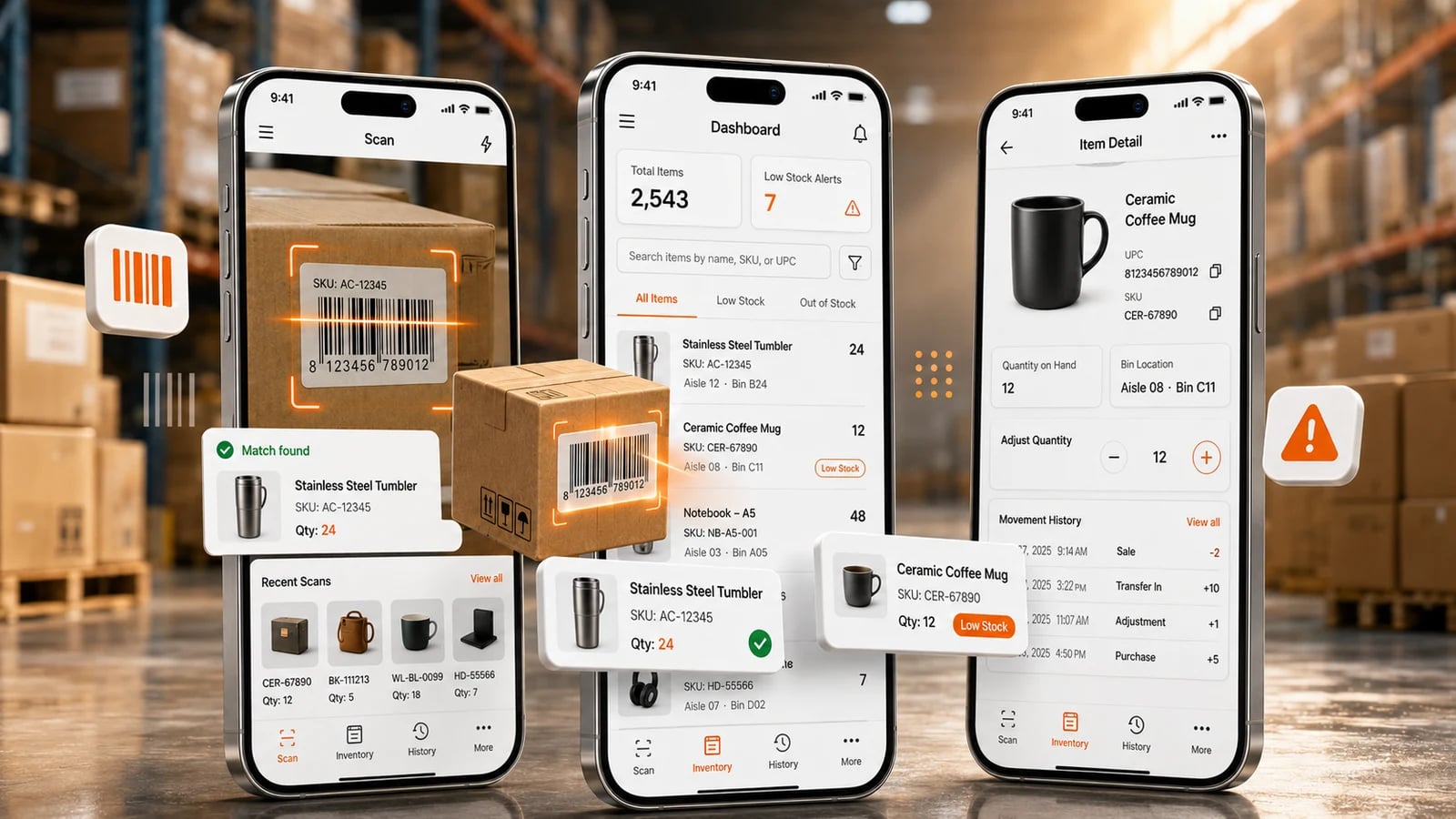
None of these was built for a Tampa company. Each was built for a client or a product of our own elsewhere in Florida, and each shows the thing this page argues for: many parties on one system, with a hard line between what each can see.
Why Tampa companies work with a Miami studio
The access boundary is a policy, not a habit
Who can see which rows is enforced in the database and written down, so it survives staff turnover, a rushed feature and an audit. In freight it keeps competing carriers apart. In health and finance it is the answer to the first question a reviewer asks.
Milestones you can test, not status reports
Every stage ends in something you can open on your own phone or in your own browser. Distance stops mattering when the work is visible every couple of weeks, and it is how we have delivered across Florida and beyond without a second office.
We say what we are not
There is no government certification for a software vendor under HIPAA or the financial privacy rules, so we do not claim one. What we can put in writing is the practices: a business associate agreement where one applies, generated test data instead of a production copy, and an audit trail you can read.
Ways to begin
A remote project needs a clearer first step than a local one, so the first step is small and written down.
Free consultation
You know the problem, not the shape
A video working session, in English or Spanish, walking through how a load, a claim or a patient actually moves through your operation today. You leave with the handoffs and the access rules written down and a fixed estimate, whether or not you hire us.
No cost and no obligation.
One integration or one portal, fixed price
You know exactly what is missing
The single connection or the single customer-facing screen that is costing the most, built and put into production at a fixed price, with the data boundary and the monitoring included rather than quoted later.
The usual first project from Tampa.
An operations platform, by milestones
Several parties, one system, no center
A platform your carriers, adjusters or practices work in, delivered in stages that each go live before the next begins. You approve each milestone from a working build, and you can stop after any of them with something in production.
Most of these relationships run for years.
Looking for statewide context rather than a city page? Our Florida app development page covers how we work across the state, and the software development in Miami page covers internal business systems in general.


Software development in Tampa. FAQ
Does Appluex have an office in Tampa?
No. Appluex is headquartered in Miami, Florida, and there is no Tampa office, mailbox or storefront. We work with Tampa companies remotely, by milestones, over video and shared builds, and we would rather say that plainly than rent a virtual address to look local. If a firm you are comparing lists an office here, it is worth asking whether the address resolves to a real place with real people in it.
How does a remote project actually run week to week?
In short milestones. Each one has a written scope, ends in a build you can install on your own phone or open in your own browser, and closes with a call to walk through what changed and what is next. You sign off before the following milestone starts, so there is never a long quiet stretch where work is happening and you cannot see it. A typical first version takes eight to sixteen weeks that way, and you will have handled a working build within the first few.
Can you integrate with the terminal operating system, our TMS and our accounting software?
Usually, and the honest answer depends on what each system offers rather than on us. Some have a documented API. Some speak EDI, which is older and fussier but entirely workable. Some only drop a file on a server overnight, which means that integration is a batch and you should plan around a delay rather than pretend it is live. Tell us which systems you run and we will tell you what is realistic for each before you commit to anything, and we build monitoring into every feed so a silent failure is caught early.
Will a driver or yard app keep working inside the port terminal?
That is a design requirement rather than a feature to add later. Signal inside a terminal, a warehouse or a ship's hold comes and goes, so the app has to keep accepting input while offline and reconcile cleanly when it reconnects, including deciding what wins when the same record changed in two places. A tool that freezes at a gate is replaced by a clipboard within a week.
Is Appluex HIPAA certified, or certified under the financial privacy rules?
No, and we would be careful with any vendor who claims to be. There is no government HIPAA certification for a software company, and the same is true of the privacy rules that apply to banks and insurers. What exists is a set of practices and a contract: a business associate agreement where one applies, access control enforced in the database, an audit trail that names who did what, and test environments that have never held a real record. Judge a developer on the practices they can describe and put in writing, not on a badge.
How do you keep one customer's data separate from another's on a shared platform?
At the data layer, not in application code. Every row carries its owner, and the database enforces a policy that a caller can only read and write rows belonging to their own company or practice. A query that forgets its filter gets nothing back instead of everything. That is the architecture under Vexolis, where competing carriers share one system, and it is the shape that lets a reviewer in health or finance read the rule rather than take a team's word for it.
Who owns the code, the data and the app store accounts?
You do. Source code is assigned to you, apps are published under your own Apple and Google accounts with the signing keys handed over, and data export is built in from the start rather than negotiated later. Your ability to change vendors should never depend on your current vendor's cooperation, and that is as true four hours from our office as it is next door.
Do you work in Spanish?
Yes. The whole of this site is published in Spanish at the same addresses with /es in front, written rather than machine translated, and we run projects in either language. For freight work in particular, drivers, dispatchers and counterparties often work in Spanish, so we build language into the data model from the beginning rather than translating screens at the end.
We are not in Tampa itself. Do you cover St. Petersburg and Clearwater?
Yes. Everything on this page applies across the bay, because nothing about how we deliver depends on which side of it you are on. If you are moving freight through the port, running a claims or intake operation, or holding data a regulator cares about, the same first step applies: a free working session and a written estimate.
Guides from our team
















Let's build something worth shipping
Tell us about your idea. With a track record of success and a commitment to client satisfaction, we'll help bring your product to life.