App developers in Orlando
Appluex is a mobile and web software studio headquartered in Miami, working with Orlando companies remotely and by milestones. Here the person using the software is usually a visitor, or a trainee, and neither of them will install anything to get started. Most of what we build for this market has to work in a browser, the first time, on a phone the person already owns.
In Orlando the user did not choose your software and will not install it
Orlando's two big industries look nothing alike from the outside. One is the largest visitor economy in the country: theme parks, resorts, a convention center that fills with a different trade show every week, and the restaurants, tour operators, transport companies and short-term rental hosts that live off the flow. The other is quieter and sits mostly in the research park next to the university, where a cluster of military commands, contractors and academic labs has made this the center of the simulation and training industry. What they share is the person on the other side of the screen. A visitor did not download your app before the trip and is not going to. A trainee did not pick the tool and cannot switch to a different one. Both are handed your software in a moment they did not plan for, on a device they already had, and both will judge it in about eight seconds.
That changes what a good product is. For the visitor, the whole ask is usually one thing: book a table, check in, find the shuttle, buy the ticket, see the map. The right answer is a page that opens from a search result or a QR code, works instantly, needs no account, and does the thing. It has to be found before it can be used, which means the content has to arrive in the HTML rather than be assembled in the browser after the fact, because a search engine indexing a blank shell finds nothing to rank. It has to survive a hotel lobby's wifi. It has to be as good in Spanish and Portuguese as it is in English, because a very large share of the people walking through the airport are not reading English first. And it has to be obvious that a native app is the wrong first move here: the store install is a wall between a visitor and a purchase, and most of the money that goes into a consumer app in this market is spent getting people over a wall you could simply have not built.
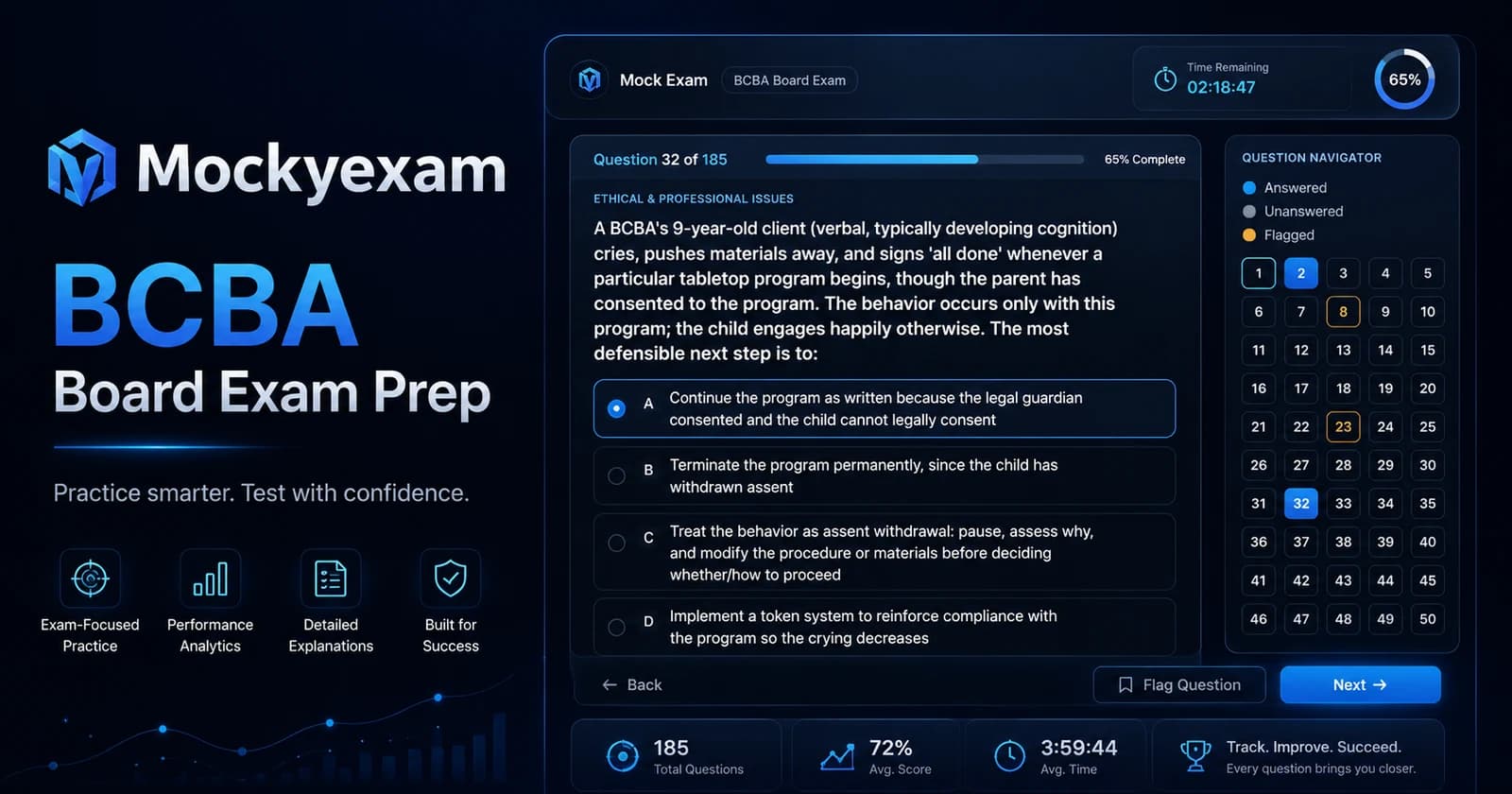
The training side has a different customer and the same rule. An instructor needs to author a scenario, run a cohort through it, see who is stuck and where, and export a record that the certifying body accepts. A learner needs a timed session that behaves exactly the same on the third attempt as on the first, results broken down by domain rather than one score, and written explanations for the questions they missed. Much of that is web too, because a training room has thirty devices of thirty ages and a browser is the one thing all of them run. We built Passforge, an exam preparation platform of our own, on exactly that logic: realistic timed mock exams, per-domain analytics, answer explanations, and a bank an author can edit without a developer in the loop. It was not built for an Orlando training company. It is here because the mechanics of assessment software are the same whether the subject is a professional license or a piece of equipment.
Which leaves the question of how a Miami studio does this for a business up the turnpike, and the plain answer is that the visitor and the trainee have already told you. If the software has to work for someone who will never meet the people who built it, the same is true of the client. Every milestone ends in a link you open on your own phone, or a build you install on your own tablet, and a short call where we walk through it together. A general manager can put a booking flow in front of a real guest the week it lands. A training lead can run a real cohort through a real session before the reporting is finished. Nothing in that loop needs an office within driving distance, so we do not pretend to have one. What it needs is that you can always see the work, and that is the part we design for.
A visitor will not install an app to buy one ticket. Most of the money spent on consumer apps in this market goes into getting people over a wall you could have chosen not to build.
Behind a login this trade is fine, because nobody needs to find those pages. On anything the public has to discover, the content has to arrive in the HTML.
What Orlando companies ask us to build
Software for people who arrive without an account, in both of the city's big industries.
Guest booking and check-in that needs no account
Reservations, tickets, waitlists and arrival flows that open from a search result or a QR code and complete in a browser, with guest booking confirmed by a text code rather than a signup form. The visitor books, and the operator gets a clean calendar and a client record anyway.
Event and trade show software
Attendee agendas, session check-in, lead retrieval and exhibitor tools for a convention economy that stages a new show every week. Built to work on borrowed devices, on exhibition hall wifi, and for a person who will use it for three days and never again.
Training, assessment and learning records
Scenario authoring, timed sessions, per-domain results, explanations for missed items and exportable records, for training providers and the contractors who serve the simulation industry. Web first, because a classroom runs thirty devices and a browser is what they share.
Operator dashboards behind the guest-facing screen
The side the staff see: availability rules, reminders, no-show tracking, reporting, and integrations with the property management, point of sale or learning management system already in place. The guest screen is only as good as the operations screen under it.
The mechanism, shown on work we have shipped
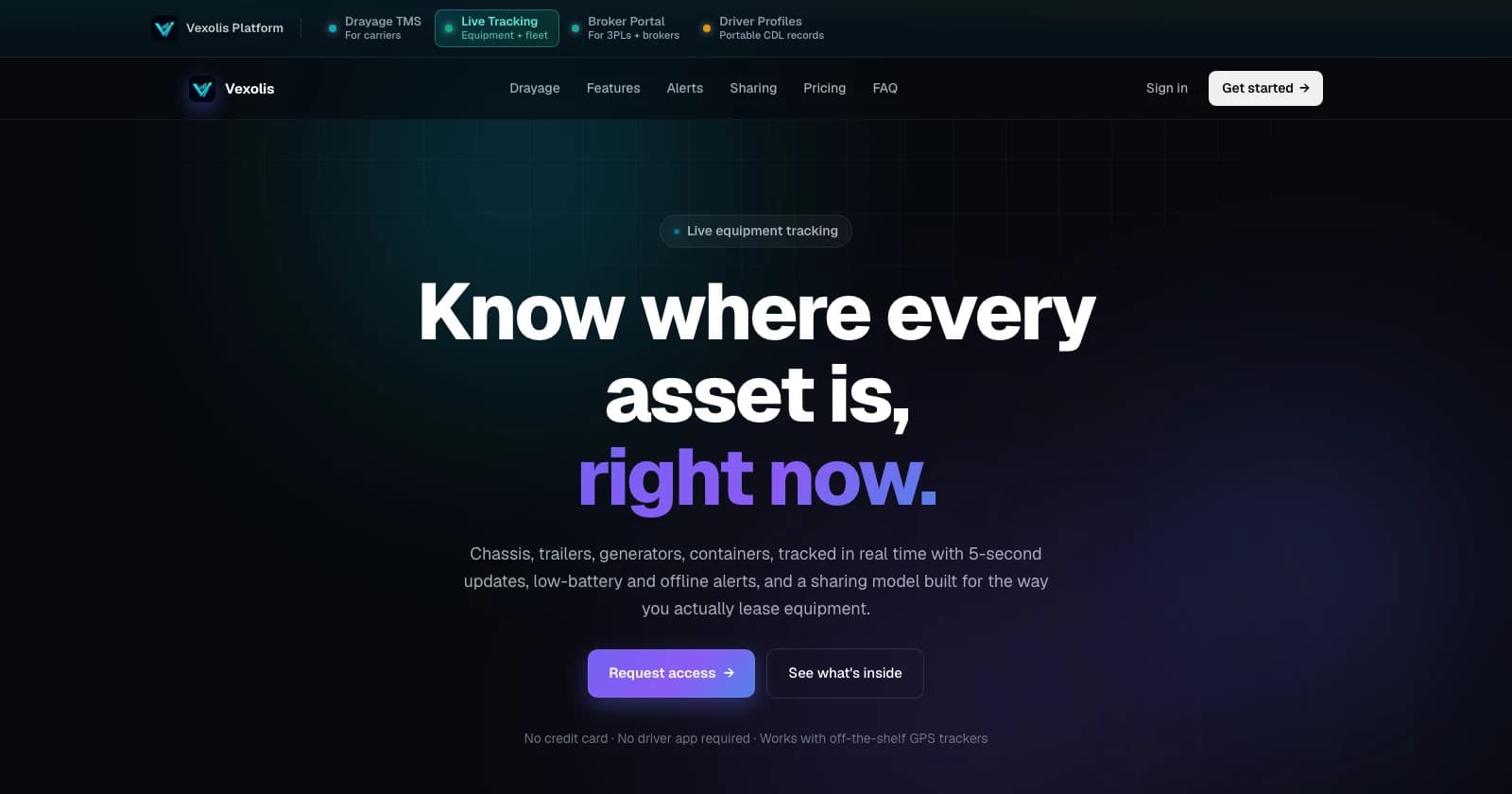
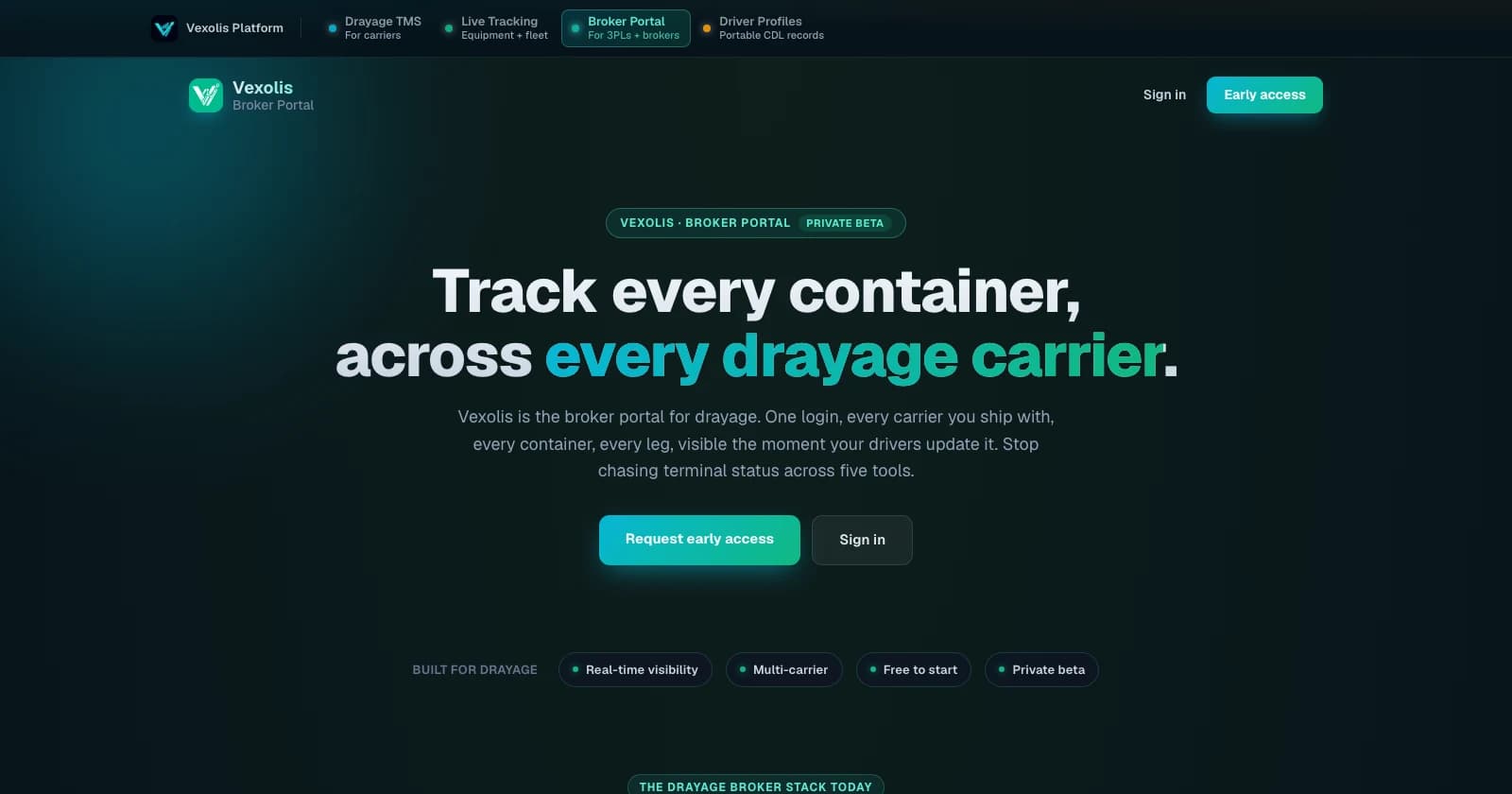
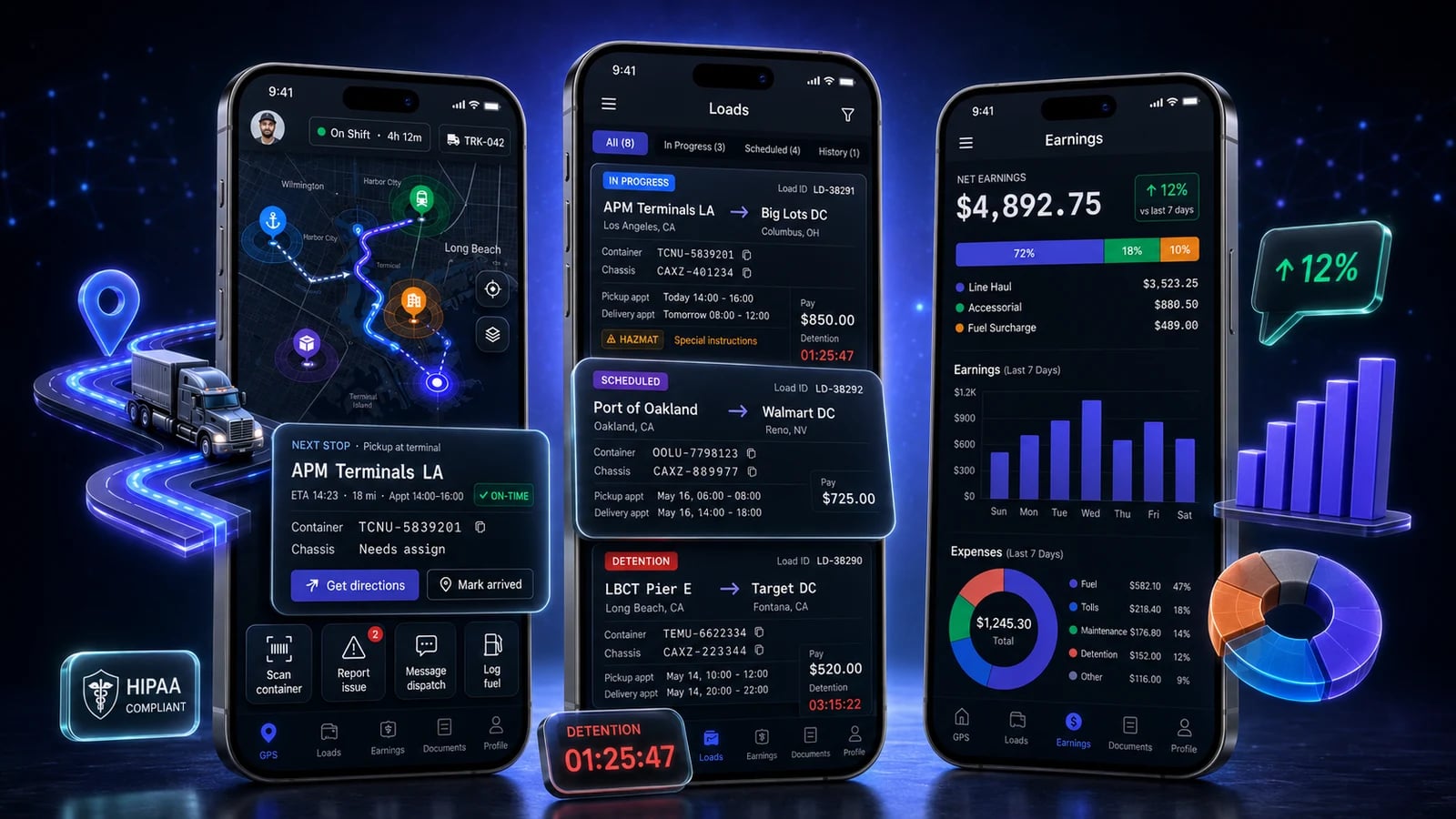
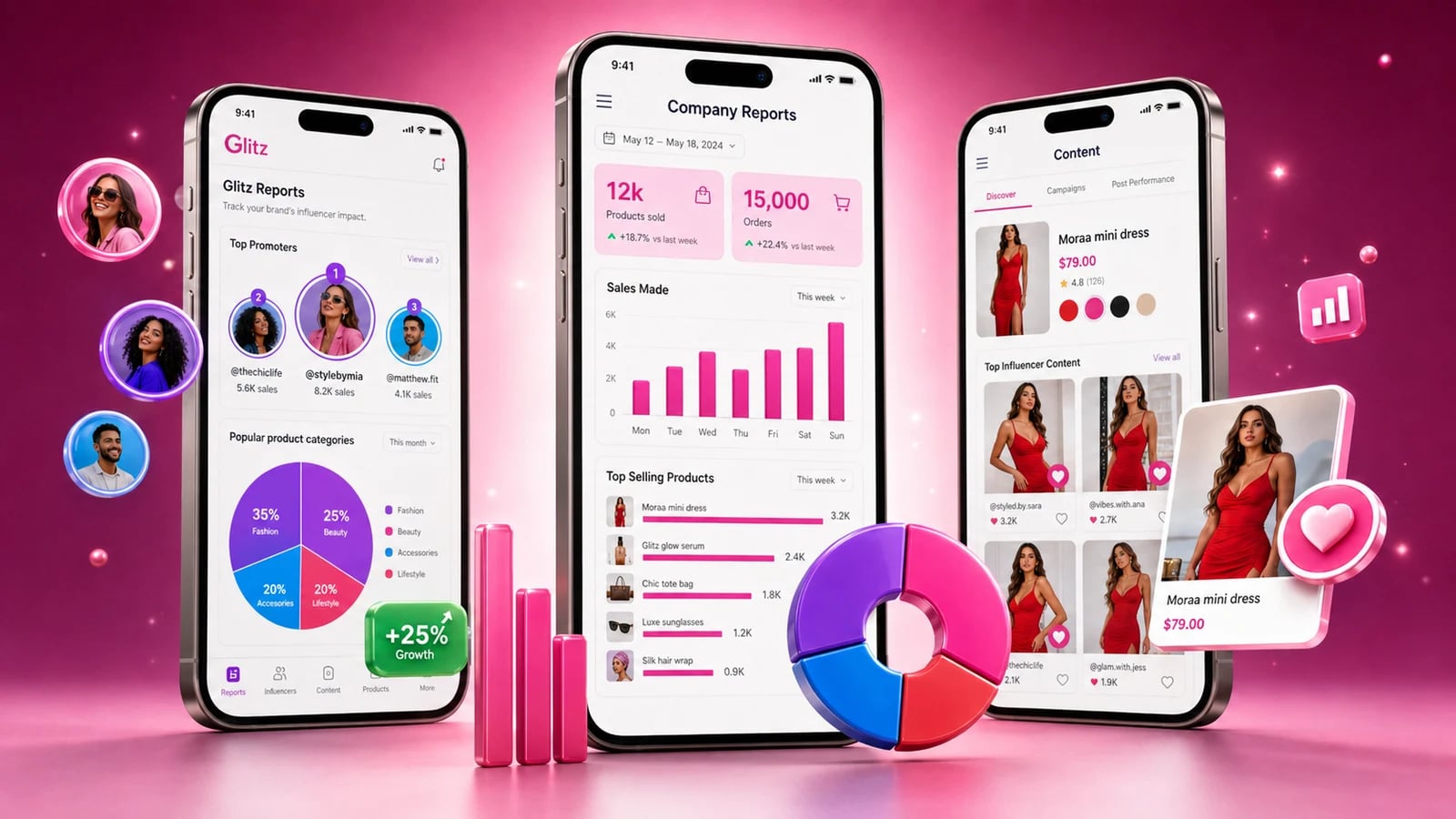
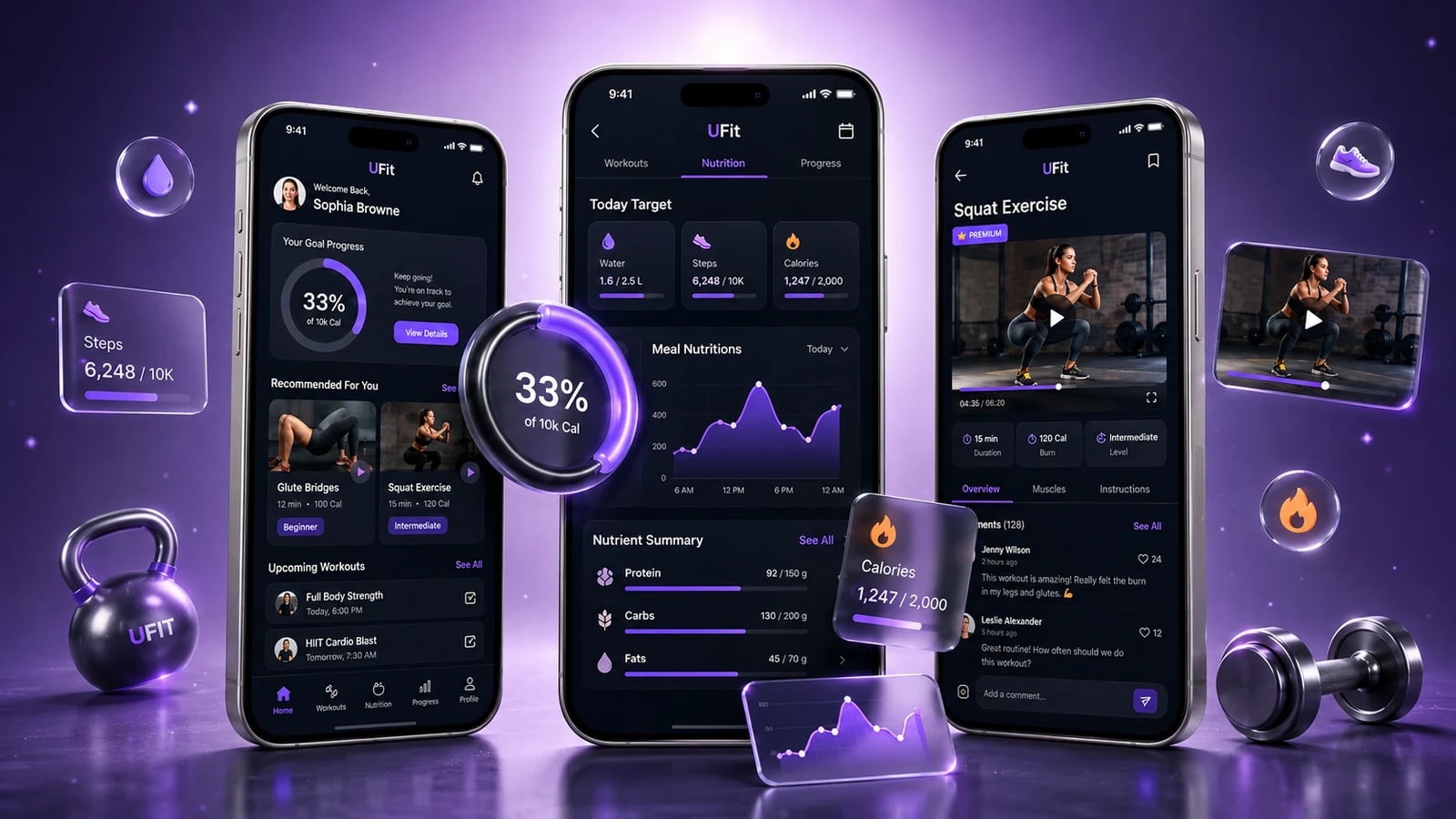
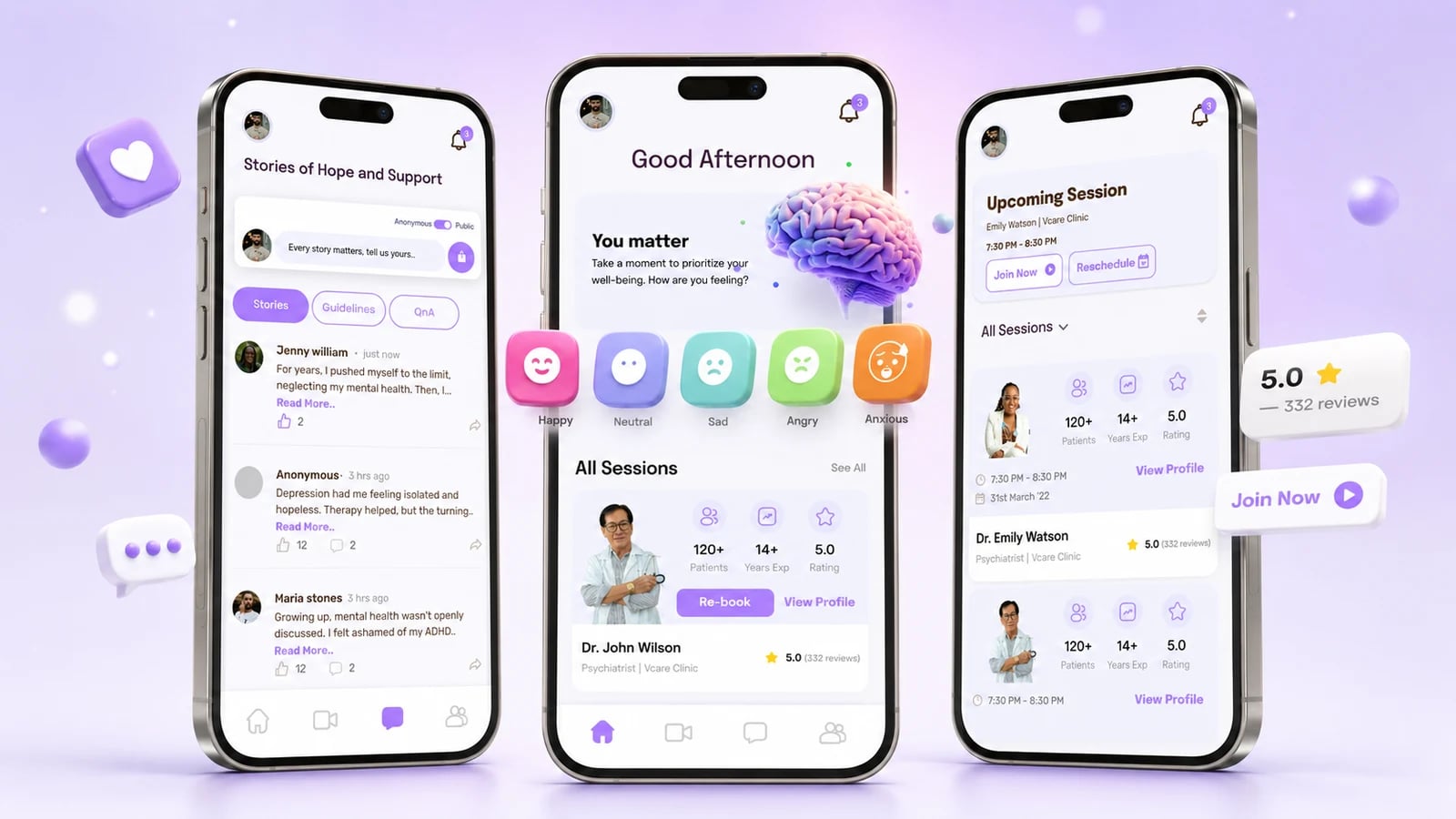
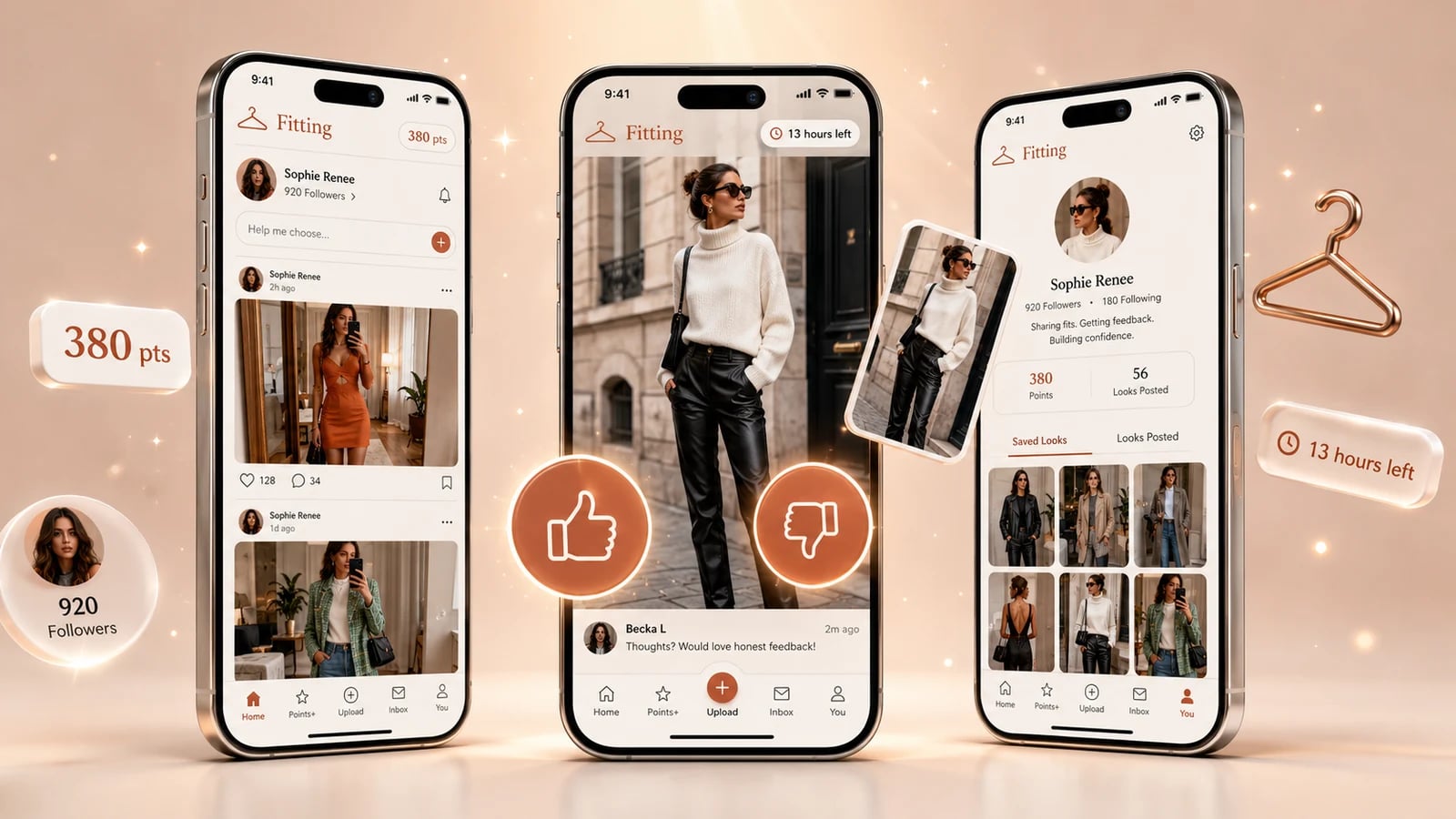
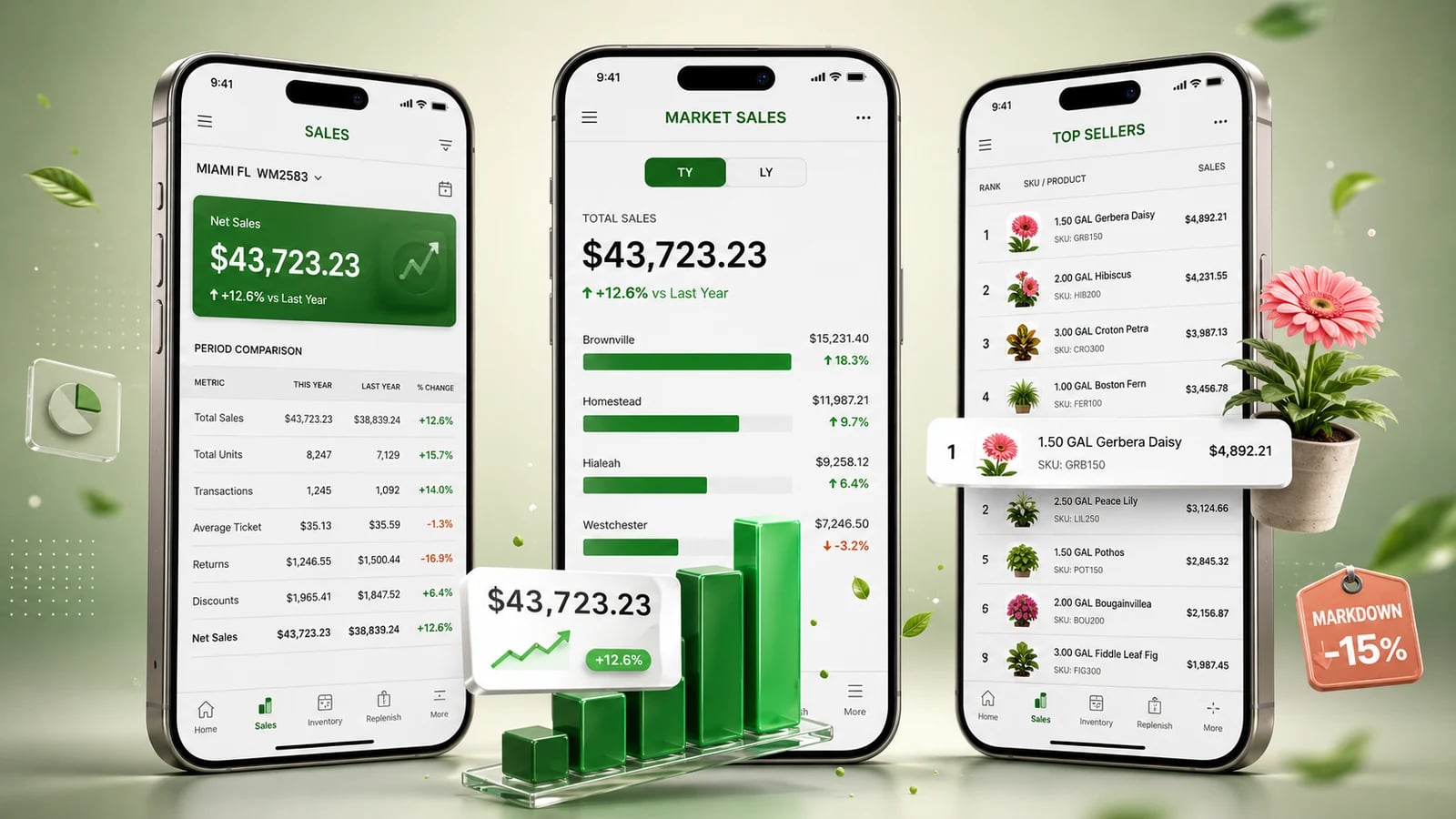
None of these was built for an Orlando company. Two are products we built and run, two were built for clients elsewhere in Florida and beyond. Each shows the same thing: software that works for a person who arrived without an account and will not install anything.
Why Orlando companies work with a Miami studio
We will tell you when a native app is the wrong first move
For a customer who is a visitor, it usually is. We put that in writing, with what the web-first version costs instead, and we say when the opposite is true: a repeat user, a device feature, an offline requirement. The recommendation comes before the estimate, not after the invoice.
Found first, then used
A guest-facing page is worth nothing if a search engine sees an empty shell. We render the content on the server so it arrives complete, loads on a bad connection, and can be indexed, then add the interactive parts on top. It is the difference between a page that ranks for the thing you sell and one that does not.
Milestones you can hand to a real guest
Every stage ends in a link or a build you can put in front of an actual customer or an actual cohort. Distance stops being a variable when the work is in your hands every couple of weeks, which is how we deliver across Florida without a second office.
Ways to begin
Start with the single screen a visitor or a trainee actually needs, prove it with real people, and decide the rest with evidence instead of a proposal.
Free consultation
You are not sure app or web
A video working session, in English or Spanish, walking through what your guest, attendee or learner is actually trying to do and on what device. You leave with a written recommendation on web versus native, the first screen worth building, and a fixed estimate, whether or not you hire us.
No cost and no obligation.
One guest-facing flow, fixed price
You know the screen that is losing you money
The booking, check-in, ticket or session flow that matters most, built web-first, made findable, connected to the system you already run, and put in front of real users at a fixed price.
The usual first project from Orlando.
A platform, by milestones
Guest side and operator side, together
The full product, delivered in stages that each go live before the next begins: the visitor or learner screens, the operator dashboard behind them, the reporting, the integrations. You approve each milestone from a working build and can stop after any of them with something in production.
Most of these relationships run for years.
Looking for the statewide picture rather than a city page? Our Florida app development page covers how we work across the state, and the web app development page goes deeper on the web-first side of this argument.


Software development in Orlando. FAQ
Does Appluex have an office in Orlando?
No. Appluex is headquartered in Miami, Florida, and has no Orlando office, mailbox or storefront. We work with Orlando companies remotely, by milestones, over video and shared builds, and we would rather say so plainly than rent a virtual address. A page that asks you to be sceptical of store installs should not open by fudging where the company is.
Our customers are tourists. Should we build an app or a website?
Almost always a website first, and we will say so even though an app is the larger invoice. A visitor will not install anything to book one table or buy one ticket, so a native app puts a wall between them and the purchase, and most of an app budget in this market goes into marketing people over that wall. A web flow that opens from a search result or a QR code, needs no account, and works on the hotel's wifi does the job. The exceptions are real: a repeat user, a loyalty program, an offline map, a device feature the browser cannot reach. If you have one of those, an app earns its place, and the web version is still where you start.
Can guests book without creating an account?
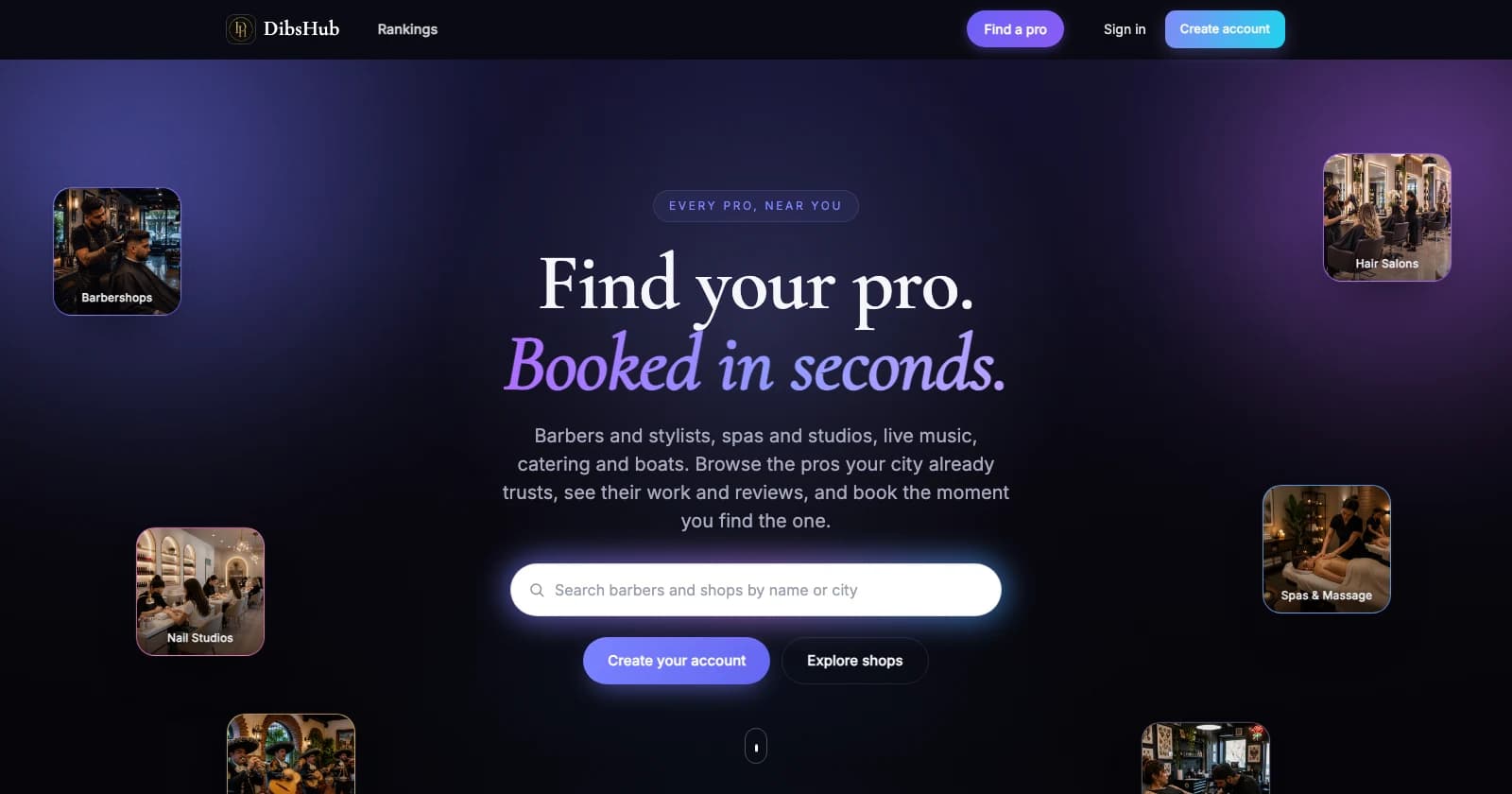
Yes, and for a visitor economy they should. A guest picks a time, confirms with a short text-message code, and is done; you still get a clean calendar entry, a contact record and automatic reminders that cut no-shows. That is how DibsHub, our own booking product, handles a first-time client, and the same flow works for a spa, a tour, a restaurant or an activity desk. Returning guests build a profile without ever being asked to fill in a form.
Can you integrate with our property management, point of sale or ticketing system?
Usually, and the honest answer depends on what that system offers rather than on us. Some have a documented API and it is straightforward. Some expose a partner feed with rules about what you may do with it. Some have nothing but a login, which is a commercial question to raise with the vendor before it becomes a technical workaround. Tell us what you run and we will tell you what is realistic for each before you commit to anything.
We build training software for the simulation industry. Is that work you do?
The software around the simulation, yes: scenario authoring tools, learner and instructor portals, timed assessment, per-domain analytics, learning records that export in the format a certifying body accepts, and the dashboards that tell an instructor who is stuck. We built and run Passforge, an exam preparation platform, on those exact mechanics. What we do not claim is the simulation engine itself, or any clearance-restricted work. If your project touches those, we will say what part is ours to build and what part is not.
How does a remote project actually run week to week?
In short milestones. Each has a written scope, ends in a link you open on your phone or a build you install on your tablet, and closes with a call where we walk through what changed. You sign off before the next milestone starts, so there is never a stretch where work is happening and you cannot see it. A first version typically takes eight to sixteen weeks that way, and you can hand something to a real guest or a real cohort well before the end.
Will it work in Spanish and Portuguese for international visitors?
Spanish, yes, throughout: this whole site is published in Spanish at the same addresses with /es in front, written rather than machine translated, and we run projects in either language. For a visitor product we build language into the data model from the start so that emails, confirmations and reminders are in the guest's language, not just the screens. Portuguese is not a language we work in natively, so where a project needs it we build the product to carry a third language cleanly and work with a translator you or we bring in, rather than promise a fluency we do not have.
Who owns the code, the content and the app store accounts?
You do. Source code is assigned to you, any app is published under your own Apple and Google accounts with the signing keys handed over, and your data exports in a usable form from day one. If a training bank or a booking history is the asset, it should travel with you whenever you decide to change vendors.
Do you cover Kissimmee and the rest of Central Florida?
Yes. Nothing about how we deliver depends on which side of the county line you are on, and the visitor economy does not stop at the city limits either. The same first step applies anywhere in the region: a free working session and a written recommendation on what to build first.
Guides from our team















Let's build something worth shipping
Tell us about your idea. With a track record of success and a commitment to client satisfaction, we'll help bring your product to life.