Web apps & platforms built to scale
Appluex builds custom web applications, SaaS products, dashboards and internal tools that are fast, secure and SEO-ready. From a focused MVP to a full multi-tenant platform, one dedicated team takes you from idea to launch and every release after.
A web app that cannot be found is a web app nobody uses
The default way to build a web application over the last decade has been a single-page app: ship a mostly empty HTML file, then let JavaScript fetch the data and draw the page in the browser. It is a perfectly good pattern for something behind a login, where nobody needs to find it and every user is already committed. The problem is that it became the default for everything, including the public pages a business depends on being discovered through. Those pages arrive as an empty shell, and what a crawler or a link preview sees first is nothing at all.
We build public surfaces to be rendered on the server, so the HTML that arrives already contains the content. That single decision is what makes a page indexable, what makes it appear correctly when shared into Slack or WhatsApp, and what makes it usable on a slow connection before any JavaScript has finished loading. Behind a login, where discovery is irrelevant, we make the opposite trade freely and build a rich client application. The point is that this is a decision with consequences, made per surface, rather than one framework choice applied to an entire product because it was the team's habit.
Performance is the same story. It is common to see a web app that is fast on the developer's machine on office fibre and painful on a four-year-old Android phone on a weak mobile connection, which is what a meaningful share of real users actually have. We set a performance budget at the start, test against throttled connections and mid-range hardware rather than a top-end laptop, and treat a regression as a defect rather than as something to look at later. The same applies to accessibility: keyboard navigation, focus states, colour contrast, and screen-reader labelling are part of the build, both because a portion of your users need them and because in many sectors it is a legal exposure.
None of this is exotic engineering. It is knowing which decisions are expensive to reverse and making them deliberately at the point where they are still cheap. Rendering strategy, the data-fetching pattern, and the performance budget all become extremely difficult to change once a large application has been built on top of the assumption.
Behind a login, build whatever is fastest to work in. On anything the public needs to find, the HTML has to arrive with the content already in it.
Behind a login this trade is fine, because nobody needs to find those pages. On anything the public has to discover, the content has to arrive in the HTML.
From MVP to scalable platform
One dedicated team designs, engineers and ships the web application your business actually needs. Then keeps it growing.
Custom web apps & SaaS
Subscription products, customer portals and bespoke web applications engineered around your workflow. Not a template you have to bend to.
Dashboards & internal tools
Admin panels, analytics dashboards and operational tools that turn your data into something your team can act on in real time.
Multi-tenant & APIs
Tenant isolation, role-based access and well-documented REST and GraphQL APIs that let your platform serve many customers and integrate with anything.
Performance, SEO & security
Server-side rendering, Core Web Vitals tuning, hardened auth and observability baked in from day one. Not bolted on later.
Web applications we have shipped
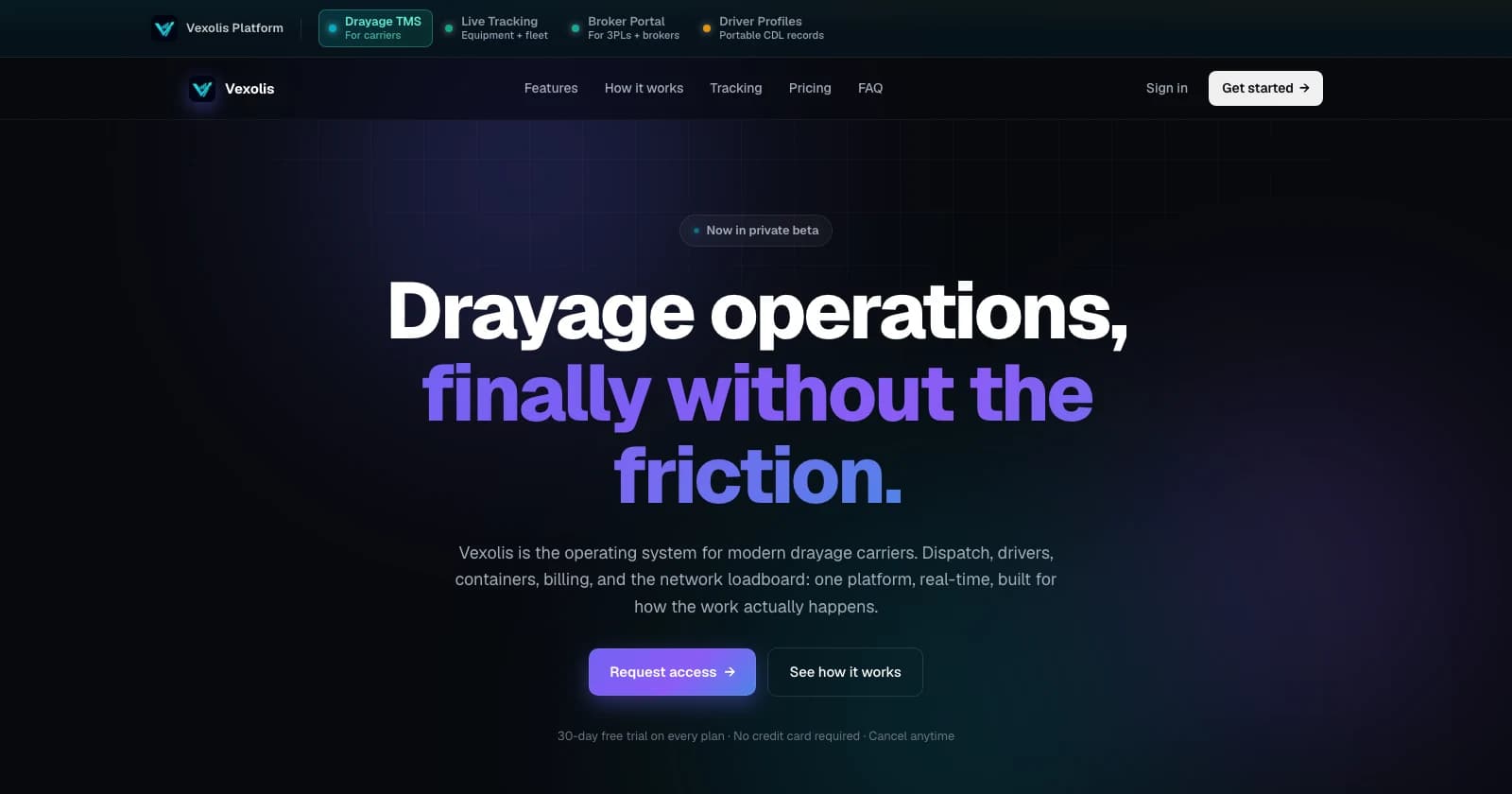
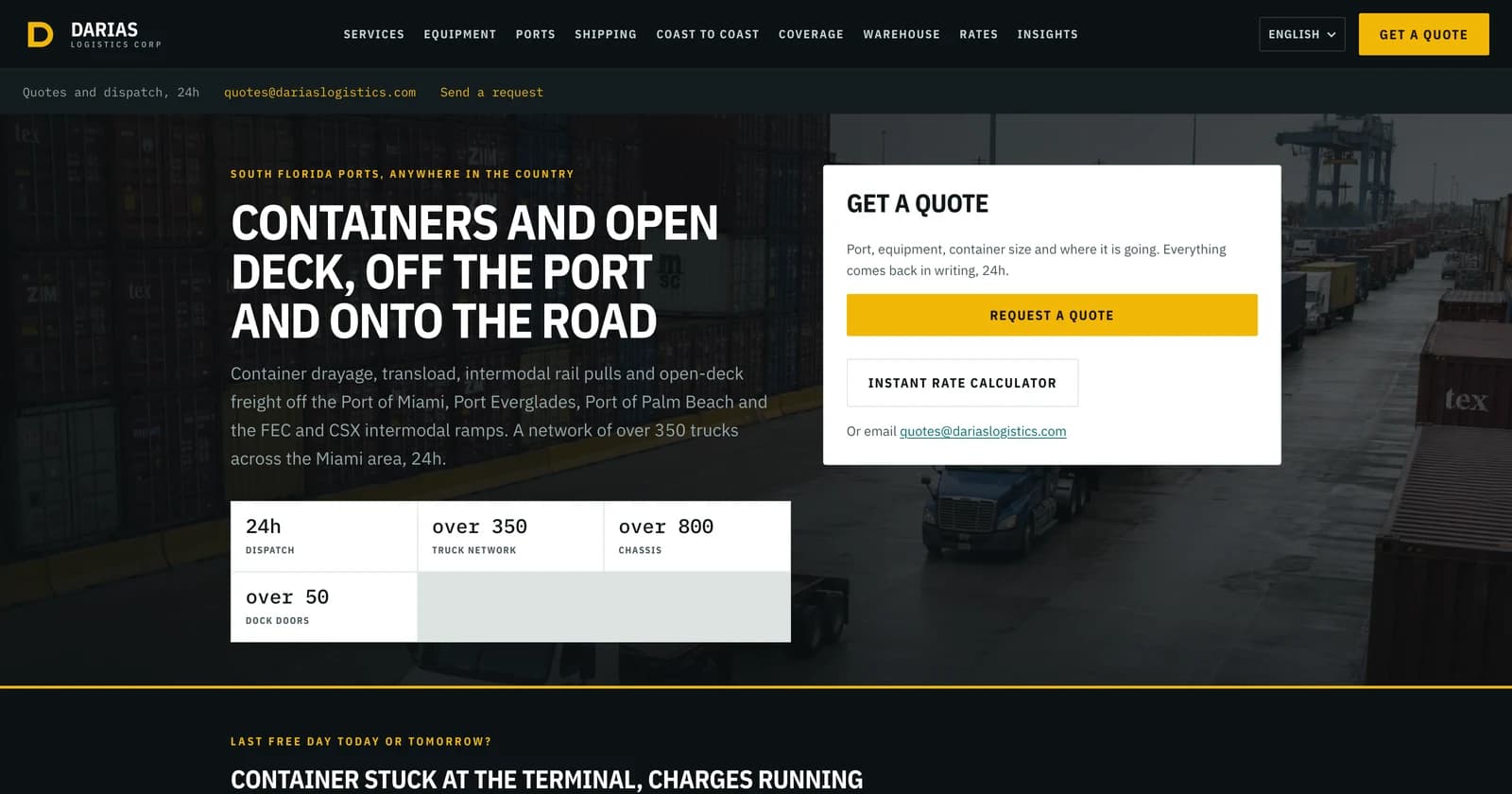
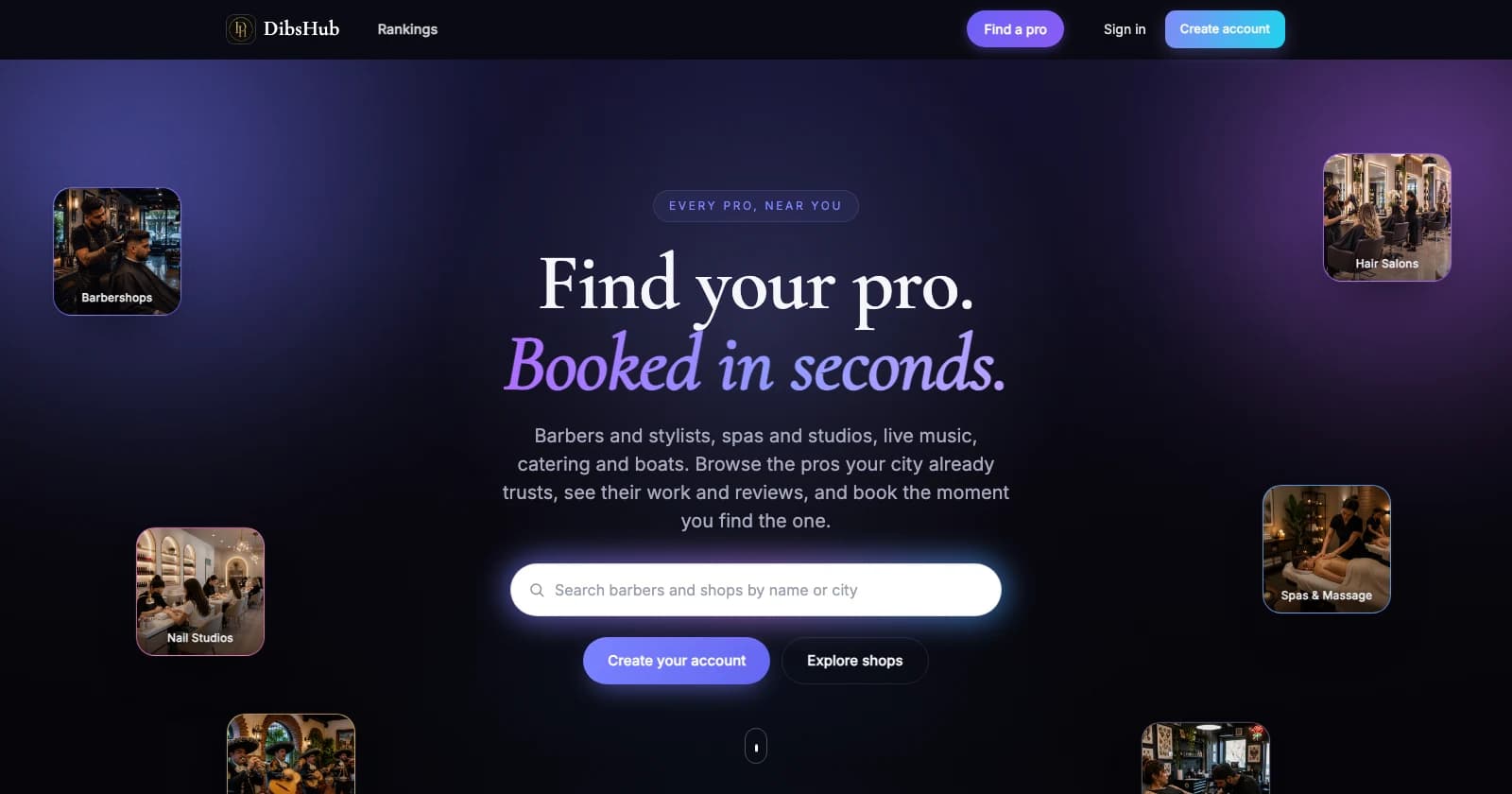
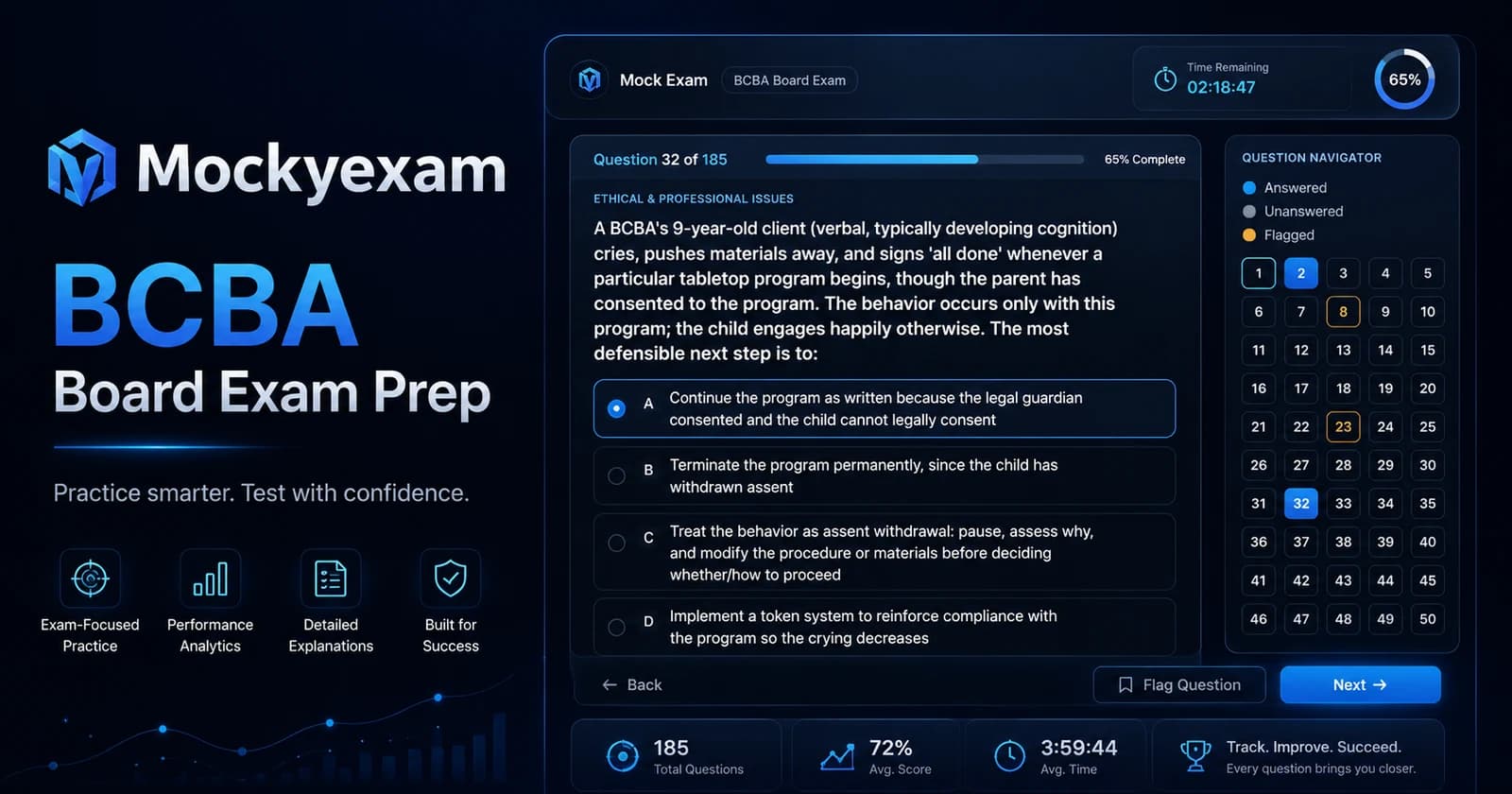
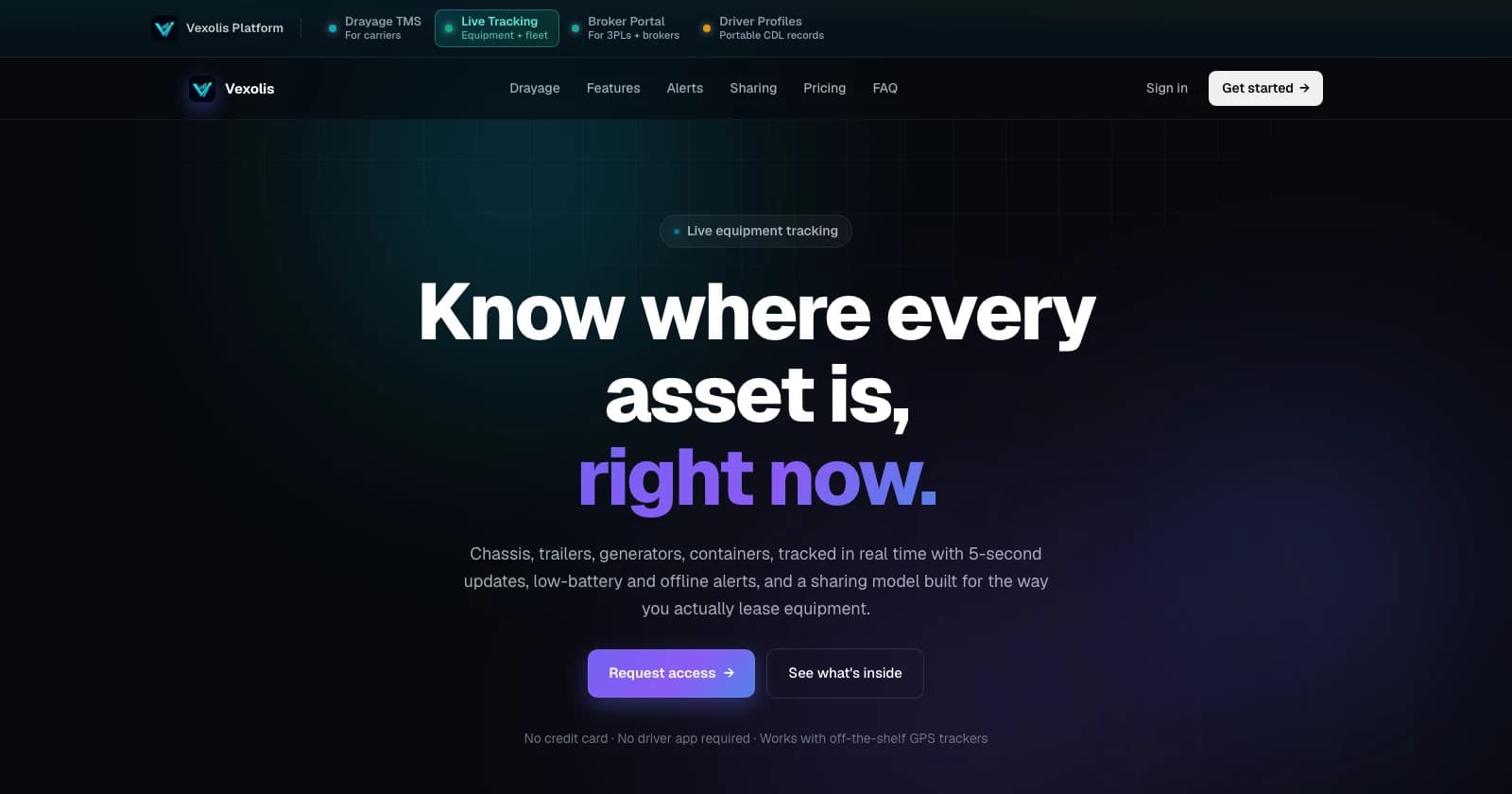
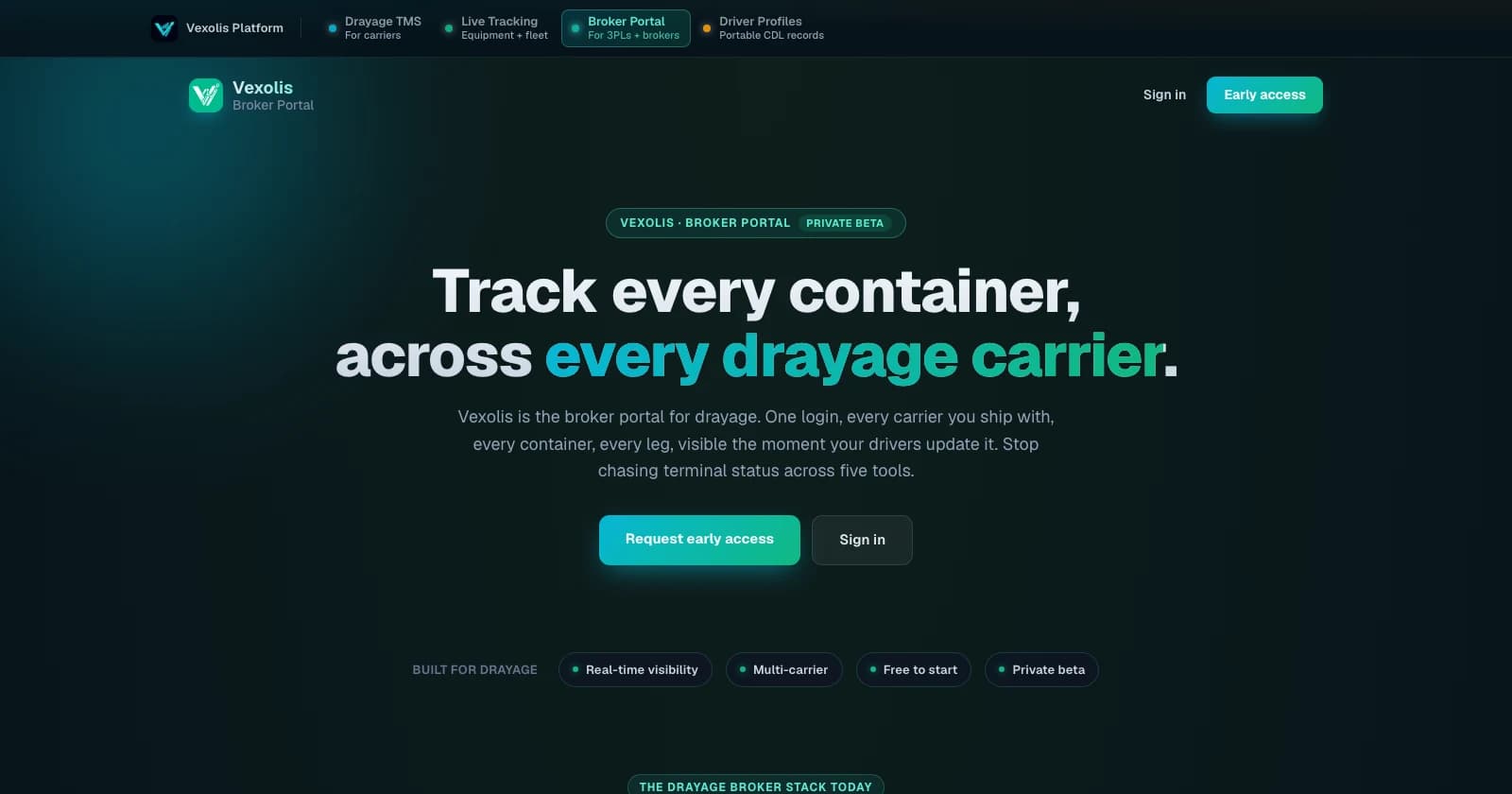
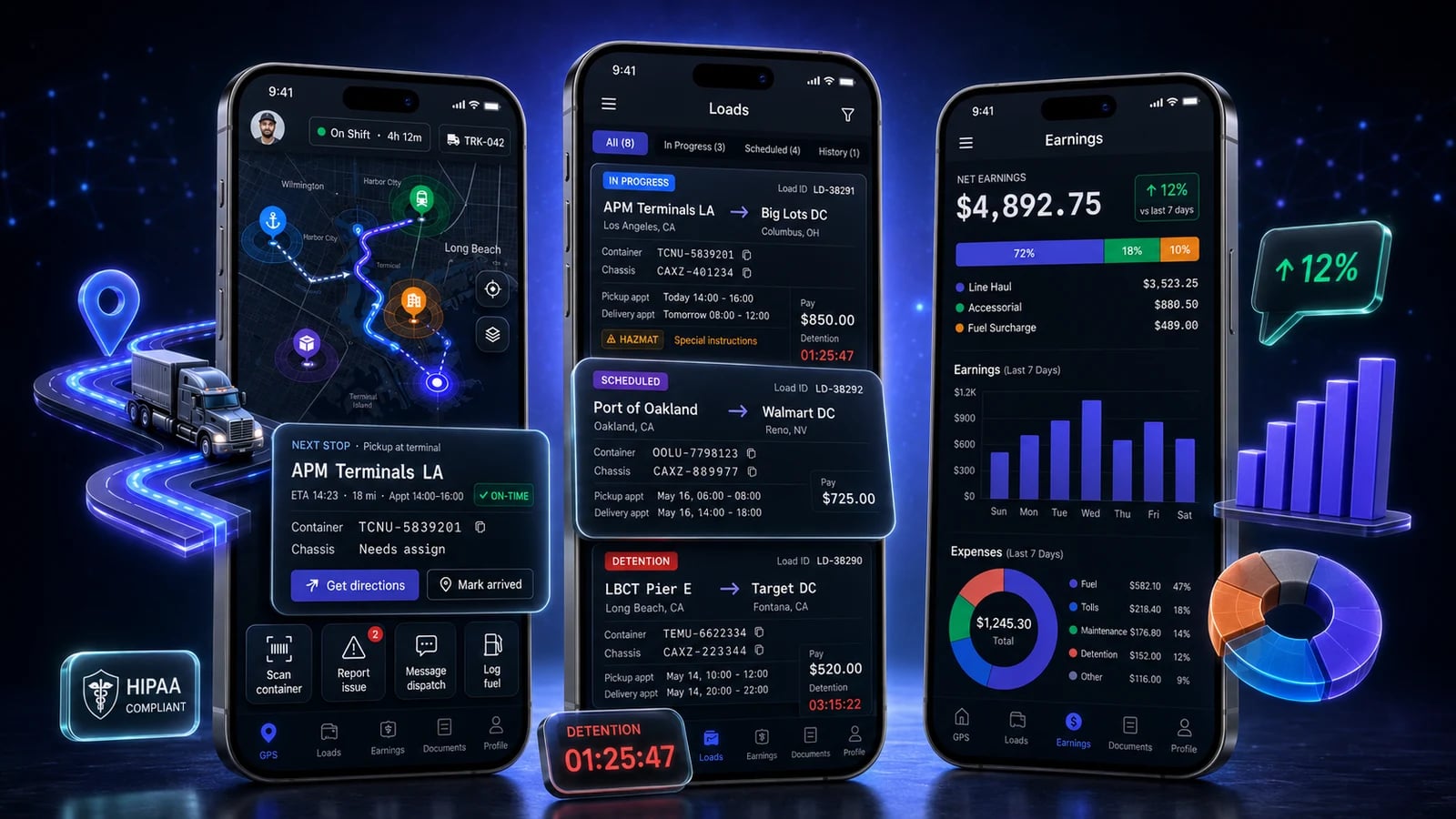
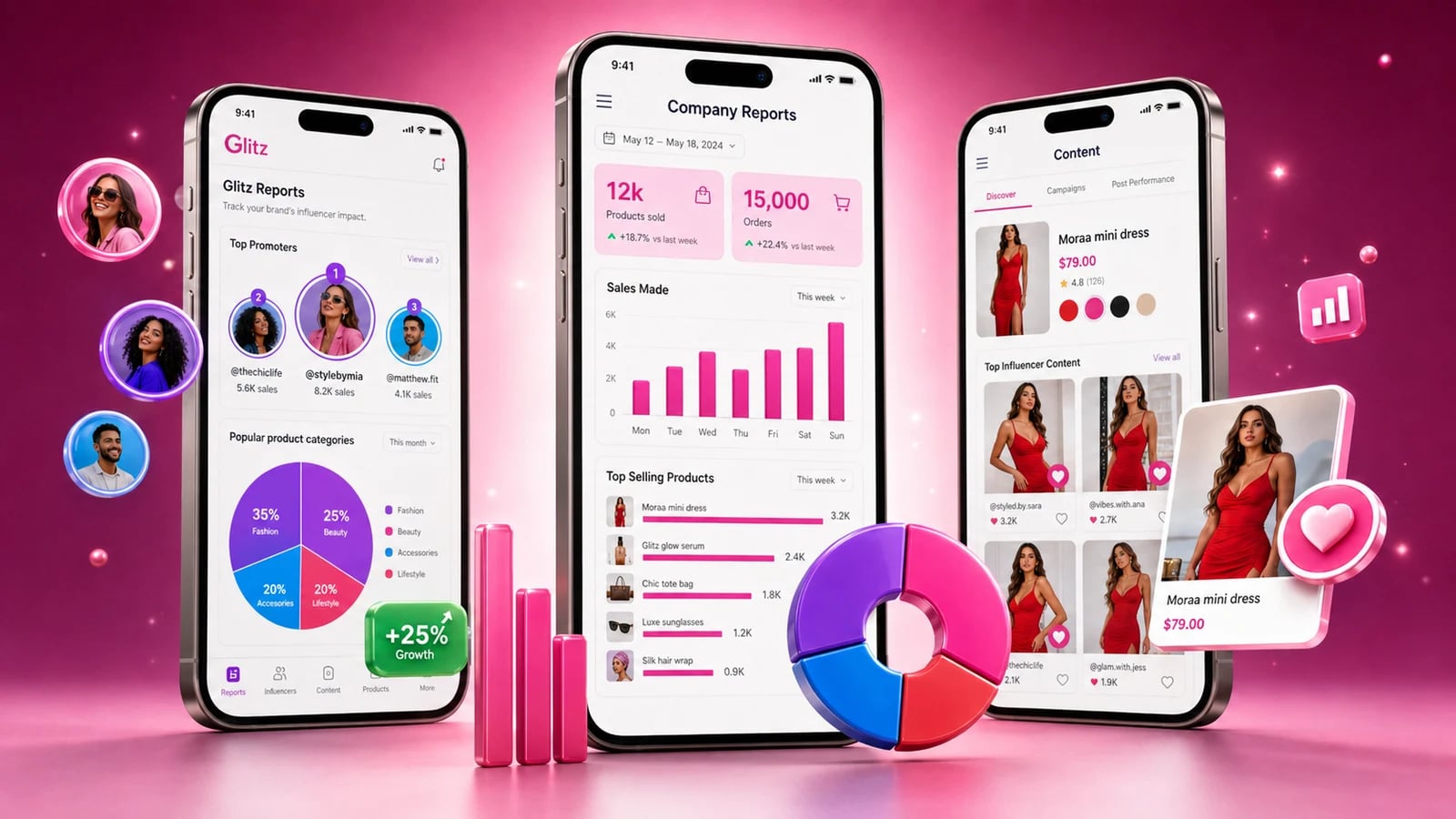
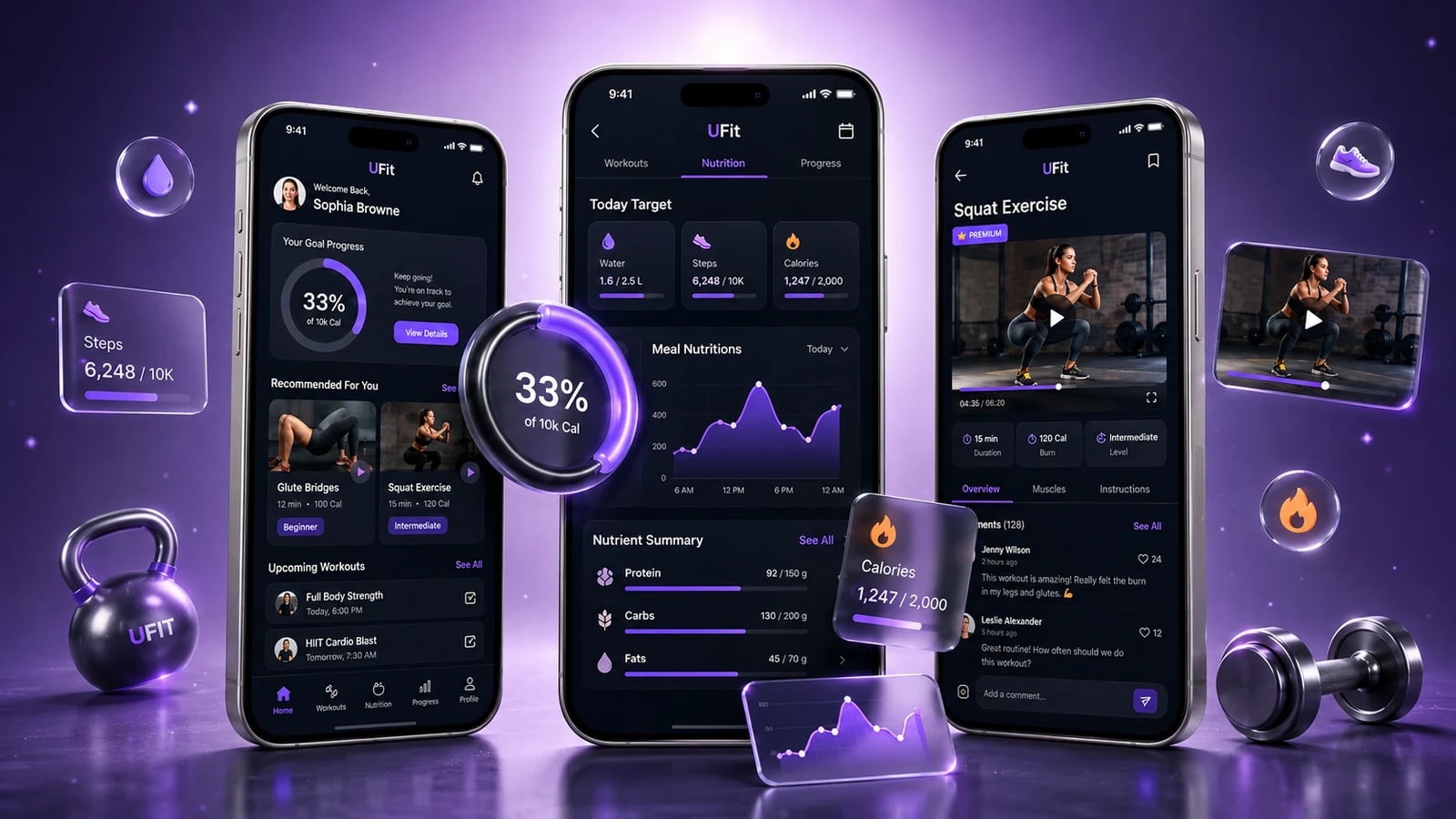
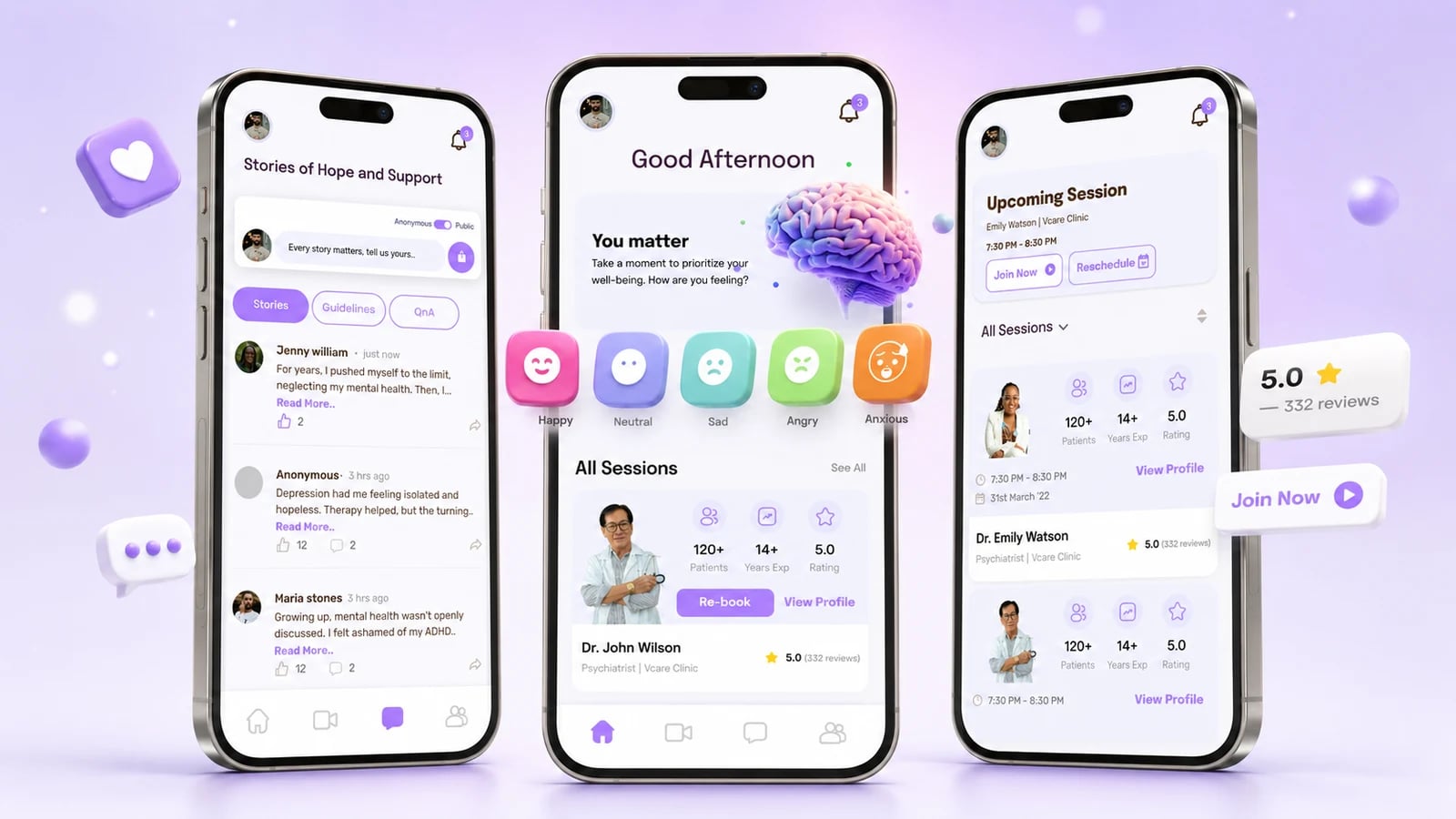
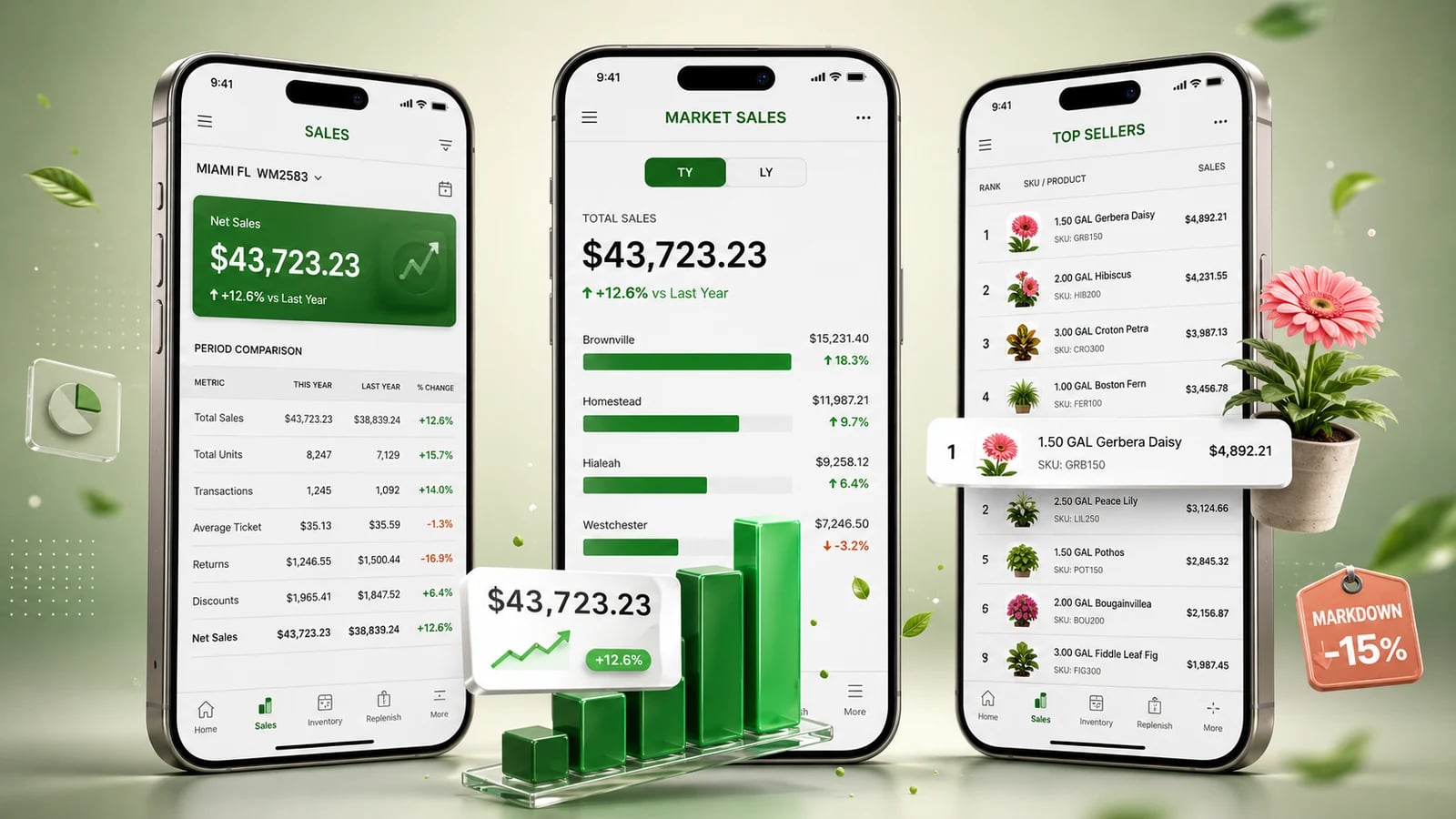
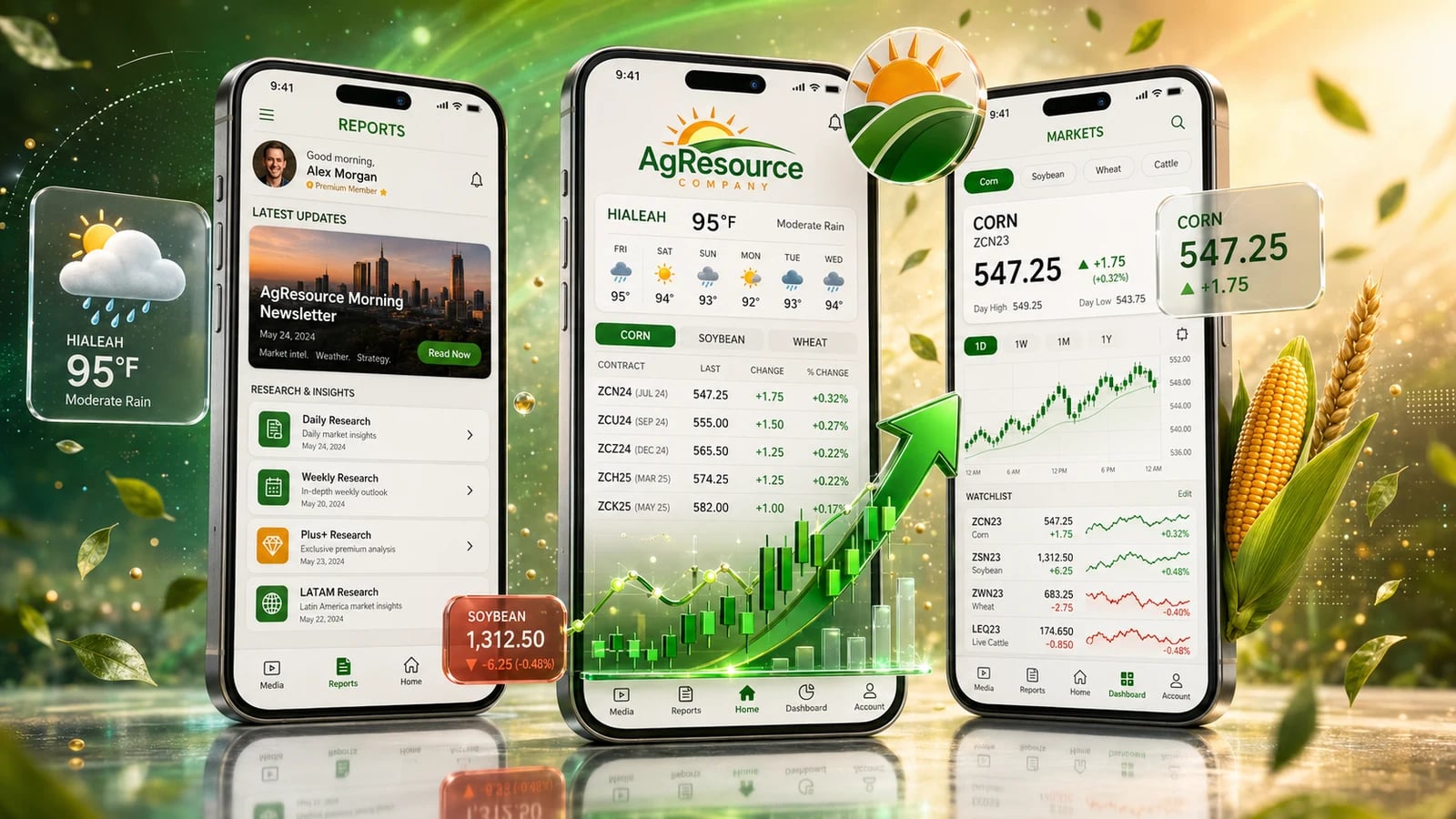
Production web products, each linked to its full case study.
How we build web apps to last
Architecture that gets you found
We ship server-rendered, SEO-ready web apps so search engines crawl real content, not an empty shell. Your platform ranks instead of hiding behind JavaScript.
Engineered to scale
Multi-tenant data models, secure auth, and observability and monitoring wired in from the start, so growth is a config change rather than a costly rewrite.
One team, end to end
Design, frontend, backend and cloud all live under one roof. No agency handoffs, no integration gaps, one team accountable for the whole product.
How we build for speed and discoverability
The specific choices that decide whether a web app is fast and findable, or neither.
Rendering and delivery
- Server rendering
- Public pages arrive as complete HTML, so crawlers, link previews, and slow connections all get content immediately instead of an empty shell.
- Static generation
- Pages that rarely change are built ahead of time and served from cache, which is both the fastest option and the cheapest to run.
- Code splitting
- Each route loads only the JavaScript it needs, so one heavy feature does not slow down every other page in the product.
- Image optimization
- Modern formats, correct sizing per device, and lazy loading. Usually the single largest performance win available on a content-heavy page.
Application layer
- Next.js and React
- One framework covering both server-rendered public pages and rich authenticated application screens, without maintaining two separate front ends.
- TypeScript
- Types across the codebase, which is what keeps a large application safe to change months after the code was written.
- Design system
- A shared component library so the interface stays consistent and the tenth screen costs a fraction of the first.
- Accessibility
- Keyboard navigation, focus management, contrast, and screen-reader labelling built in rather than audited at the end.
Data and operations
- PostgreSQL
- Relational and transactional, with real migrations so schema changes are reviewable and reversible rather than improvised.
- Caching layers
- Applied deliberately at the edge and in the data layer, because most slow web apps are slow from repeating work they already did.
- AWS
- Hosting and storage sized to actual traffic, with the ability to scale up without re-architecting the application.
- Monitoring
- Real-user performance data and error tracking, so a regression is caught by an alert rather than by a customer complaint.
What a web engagement delivers
A production application, plus the things that determine whether anyone finds it.
The application
- Responsive web app tested on real mid-range devices
- Server-rendered public pages that crawlers can read
- Authentication, roles, and permissions
- Admin tooling for the team running it day to day
- Accessibility support built in, not retrofitted
- Integrations with the systems you already use
Findability
- Canonical URLs and a correct sitemap
- Structured data so search engines understand the content
- Open Graph and social preview cards that render properly
- Multi-language support with correct hreflang where needed
- Performance budget agreed and enforced through the build
- Analytics configured to answer real business questions
Engineering
- Source code in a repository under your account from day one
- Automated tests on the logic that matters
- Deployment pipeline your team can run without us
- Documented architecture and data model
- Security review before launch
- Backups with a restore procedure that has been tested


Web app development. FAQ
What's the difference between a website and a web app?
A website mostly presents content; a web application lets users log in, create data and get work done. Think dashboards, SaaS products and portals. We build the interactive, data-driven kind.
What stack do you build web apps on?
Primarily Next.js and React with TypeScript on the frontend, and Node.js or Python services on the backend, backed by PostgreSQL or MongoDB and deployed on AWS with Docker.
Can you build a SaaS or multi-tenant product?
Yes. We design multi-tenant architecture with proper tenant isolation, role-based access, subscription billing and admin tooling so one platform can serve many customers securely.
Will my web app be fast and SEO-friendly?
Absolutely. We use server-side rendering and static generation so pages load fast and search engines index real content, plus we tune Core Web Vitals for strong rankings and UX.
How do you handle scaling and security?
We build on scalable cloud infrastructure with caching, monitoring and observability, and harden every layer. Secure authentication, encrypted data and least-privilege access. So the app grows safely.
Will our web app be visible to Google?
It will if it is built for that, and a great many are not. A conventional single-page application ships an essentially empty HTML file and draws the content afterwards with JavaScript, which means the first thing a crawler receives is a blank shell. We render public pages on the server so the HTML arrives complete, and we add canonical URLs, a correct sitemap, and structured data. Pages behind a login do not need any of this, so we do not pay for it there.
How do you make sure the app is fast for real users?
We set a performance budget at the start and test against throttled connections and mid-range devices rather than a developer laptop on office internet, because that is what a large share of real traffic actually looks like. Server rendering, code splitting, image optimization, and deliberate caching are the main levers. A performance regression is treated as a defect that blocks a release, not as something to revisit later.
Can you build a web app and a mobile app that share a backend?
Yes, and it is a common arrangement. One API and one data model serve both, so business logic lives in a single place instead of being implemented twice and drifting apart. We usually recommend launching the web application first, since it reaches users without an app store review cycle, and adding mobile once the product has proven what it should be.
Does the app support multiple languages?
Where you need it, and built in from the data model rather than translated at the end. That covers the interface, transactional emails, date and number formatting, and the correct hreflang markup so search engines understand which page serves which language. We have delivered a client platform in eight languages, and this site itself runs fully in English and Spanish.
Other ways we can help
Guides from our team
















Let's build something worth shipping
Tell us about your idea. With a track record of success and a commitment to client satisfaction, we'll help bring your product to life.